If you signed up for a demo, a SIFT representative will be contacting you shortly.
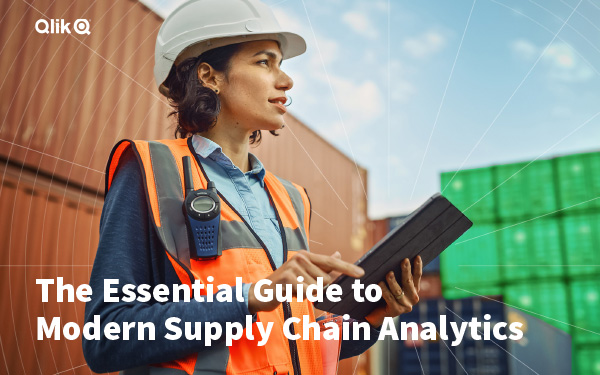
If you signed up for the eBook, please download below.
We know that finance involves a lot of repetitive processes like making financial reports, claims, reconciling errors, and many more. These tasks, as mundane and routine as they are, will result in a lot of energy and resources spent.
The Need for Automation
Escape the never-ending cycle of finance tasks by adopting automation for your finance processes. Individuals can expand their capacities from that repetitive task to provide greater value and satisfaction in their job.
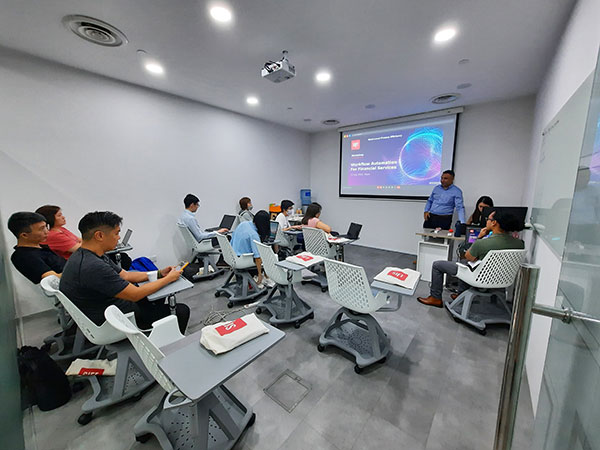
This workshop is designed for banking, finance, and Insurance professionals.
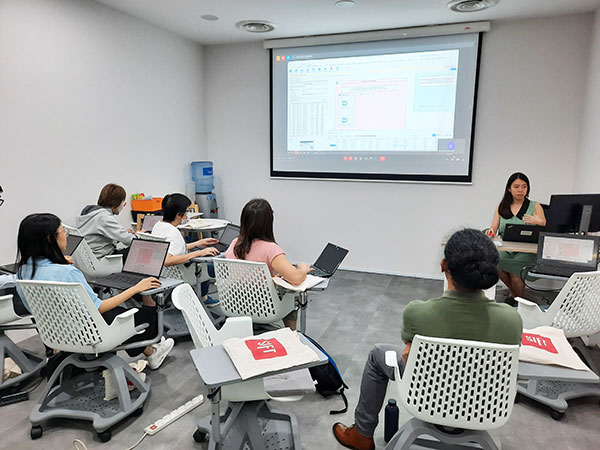
We invite you to a workshop where we will unveil the game-changing technology of Workflow Automation in your finance operation.
Limited seats are available, so secure your place now. We look forward to welcoming you to this workshop and share with you how workflow automation can streamline your financial processes, eliminate manual tasks, and ultimately optimize your operations.
Agenda:
10.00am – Welcome and Introductions
– A brief overview of the workshop objectives
10.15am – Understanding Finance Automation
– What is finance automation and how it works
10.30am – Demo Session
– Exposure to automation tools and solutions
11.15am – Break
11.30am – Case Study Presentation
– Present a real-life case study of the implementation of finance automation
11.45am – Q&A and closing remarks
– Open the floor for participants to ask questions and seek clarification
– Summarize key takeaways from the workshop.
13th July 2023, Thursday | 10 AM – 12 PM
Venue: SIFT Office @ 600 North Bridge Rd, #12-05 Parkview Square, Singapore 188778
Elevate your potential by harnessing the power of our downloadable eBooks, which provide valuable insights and a comprehensive understanding of analytics capabilities and customized solutions designed to transform your industry.
SIFT Analytics Group Vietnam would like to express our gratitude for the interest of all attendees at the ICT COMM 2023 event.
Over the three days, our SIFT Analytics booth received a great deal of attention from the attendees. As a follow up, SIFT will be conducting free live DEMO sessions for registered businesses at the event.


Our free live DEMO is available for online enquirers as well.
We encourage organisations to register and secure a spot for a Data Analytics DEMO below.
Qlik — Close the gap between data and action. Proceed with certainty.
Alteryx — Enable fast, confident decisions across the enterprise.
Freshworks — Customer service, IT, and CRM software that’s incredibly powerful, yet fast, easy and cost effective.
IBM SPSS — Uncover data insights that can help solve business and research problems.
“Congratulations to SIFT for hitting this tremendous milestone and joining the Qlik partner million dollar club.
In the beginning of the year, we set our goals with Gerald and Edwina, overcame market hurdles and executed a well thought out business plan. Qlik’s technology, coupled with the expertise of the SIFT team, continues to add value to organisations in ASEAN.
I am fully confident we can achieve this feat again in FY22. On behalf of Qlik, I thank you for your support and business.”
– Jeremy Sim, Vice President, Head of Channels & Alliances, Qlik APAC
Reach out to us to learn more about our award-winning solutions framework, with smarter analytics for smarter decisions.
Data Analytics with Qlik
Qlik Sense – Self-service visualisation, Interactive dashboards, Search & Conversational Analytics, Customer & Embedded Analytics, Catalog and Lineage
Data Integration with Qlik
Qlik Replicate – Universal data replication and data ingestion
Qlik Compose – Agile data lake and data warehouse automation
Qlik Enterprise Manager – Centrally manage data replication and pipeline automation
Qlik Catalog – Modern data management and cataloging for the enterprise
Qlik Cloud Data Services – Activate your data with market-leading integration and iPaaS capabilities at your service
As Singapore’s leading enterprise software solutions provider for more than two decades, SIFT Analytics has catered to over 500 corporate clients in ASEAN, focusing on projects that transform complex data challenges into real business value.
One of these is the breakthrough collaboration with multinational insurance and finance corporation, AIA to which SIFT Analytics has won the Singapore Business Review (SBR) Technology Excellence Awards for Analytics – IT services.
SBR annually recognizes the accomplishments of ventures that target the fulfilment of this role through their trailblazing products, services, and strategies in the SBR Technology Excellence Awards 2021.
This year, the award applauded SIFT Analytics in designing and supporting AIA’s data analytics adoption journey, to meet their evolving needs in automating its real-time information collection process, which in turn would be used to improve performance tracking and decision making. The digital and analytics automation solution allows data to be collected and analyzed, results of which are then used to improve processes that AIA’s agents apply to increase client interest and improve sales.
The automated solution also provided on-demand visibility of daily reports from a dashboard, a vast improvement from the previously monthly reports.
The introduction of SIFT Analytics’s intuitive, precise, and timely solution, provided AIA’s agents with more accurate insights on business performance and sales figures. It also enabled the management team to better formulate strategies that support AIA agents’ sales engagement activities, reduced human administrative error, placed less reliance on manual tasks, and streamlined operations.
Common and repeated processes were consolidated and transformed into automated, auditable, easily understandable, and governable business workflows. This improvement increased productivity. From spending two weeks per month dedicated to consolidating and generate business-as-usual (BAU) reports, the process has been replaced by eight automated reporting processes that run daily, giving decision-makers timely insights. Time saved from generating BAU reports is now used to focus on investigating and provide prompt responses to agent enquiries or perform other analyses.
SIFT Analytics’s solution has ensured better accuracy of calculations as production credit agency/district as at transaction date. The data gathered are now stored in central repository accessible to other business users with analytics and reporting needs.
After only six months, these key enhancements translated into better ROI for AIA, which reported doubled workflow numbers.
The users’ receptiveness to such changes have proved to be key to the project’s success. The project team has already identified new business challenges that SIFT Analytics and AIA can work on and benefit from the partnership.
Kickstart Digitalization Program was officially launched in 2023 by SIFT Analytics Group, as part of a national initiative aimed at bolstering digital knowledge among SMEs.
This program strives to enlighten key representatives of SMEs about the concept of digitalization and its pivotal role in driving competitiveness and ensuring business continuity.
SME leaders often hesitate to embark on their company’s digital transformation due to various reasons, including lack of information, limited resources, or concerns about the potentially high cost involved. However, they are aware that transforming their company brings numerous benefits and has become increasingly crucial with each passing day.
Benefit through this free program and discover digital solutions that are tailored to your needs. The program comprises a series of workshops to impart essential digital knowledge to your employees. In addition, our consultants will assist in conducting a digital audit of your current business situation and creating a digital roadmap.
Enhanced Efficiency and Productivity: Digital transformation streamlines operations, automates processes, and eliminates manual tasks. This efficiency boost allows SMEs to achieve more with fewer resources, ultimately increasing productivity and profitability.
Data-Driven Decision Making: Digital transformation facilitates the collection and analysis of vast amounts of data. SMEs can gain valuable insights into customer behavior, market trends, and operational efficiency, enabling data-driven decision making and strategic planning.
Competitive Advantage: By embracing digital technologies, SMEs can differentiate themselves from competitors. Adaptability and agility become key strengths, allowing SMEs to respond swiftly to market changes, innovate, and stay ahead of the competition.
Define Your Vision and Objectives: Clearly articulate your digital transformation goals. Identify the areas where digitalization can have the most significant impact, such as operations, marketing, customer service, or supply chain management.
Conduct a Digital Readiness Assessment: Evaluate your current technological infrastructure, capabilities, and skills. Identify gaps and determine the resources required to support your digital transformation initiatives effectively.
Develop a Roadmap: Create a step-by-step plan to guide your digital transformation journey. Prioritize initiatives based on their potential impact and feasibility. Consider investing in scalable and flexible technologies that can grow with your business.
Invest in Talent and Training: Digital transformation requires a workforce equipped with digital skills. Identify skill gaps within your organization and invest in training programs to upskill existing employees. Additionally, recruit or partner with individuals who possess the necessary expertise to drive digital initiatives forward.
Embrace Automation and Integration: Identify repetitive and time-consuming tasks that can be automated. Implement tools such as Customer Relationship Management (CRM) systems, project management software, and accounting software to streamline operations and improve efficiency.
Foster a Culture of Innovation: Encourage a mindset of continuous learning and innovation within your organization. Create channels for employees to contribute ideas and explore new digital solutions that can enhance business processes and customer experiences.
A SME Manufacturing company specializing in the production and distribution of customized automotive components. As part of their growth strategy, the company decides to undergo a digital transformation to improve their supply chain management processes.
Challenges: Prior to the digital transformation, the manufacturing faced several challenges in their supply chain, including:
Digital Transformation Initiative: To address these challenges and improve their supply chain management, the company implements the following digital transformation initiatives:
Inventory Management System: The company adopts an advanced inventory management system that utilizes barcode scanning and RFID technology. The system enables real-time tracking of inventory levels, automates stock replenishment notifications, and provides accurate demand forecasting based on historical data and market trends. This reduces stockouts, improves inventory turnover, and streamlines the procurement process.
Collaborative Platform: the company implements a cloud-based collaborative platform that integrates various stakeholders, including suppliers, distributors, and internal departments. The platform enables seamless communication, facilitates real-time information sharing, and automates order processing, invoicing, and shipment tracking. This eliminates communication bottlenecks, reduces manual errors, and accelerates the order fulfillment cycle.
Data Analytics and Insights: To gain deeper insights into their supply chain performance, the company implements data analytics tools. These tools collect and analyze data from various sources, such as inventory, production, and logistics. By leveraging machine learning algorithms, the company can identify patterns, optimize processes, and make data-driven decisions. For example, they can identify suppliers with the shortest lead times, determine optimal inventory levels, and forecast demand accurately.
Benefits and Outcomes: By embracing digital transformation, the company achieves the following benefits:
Improved Efficiency: The automated inventory management system reduces manual effort, minimizes errors, and streamlines the procurement process. This improves overall operational efficiency and ensures timely availability of materials for production.
Enhanced Collaboration: The collaborative platform enables seamless communication and data sharing among stakeholders. This improves coordination, reduces delays, and fosters stronger relationships with suppliers and distributors.
Real-time Visibility: With the implementation of data analytics tools, the company gains real-time visibility into their supply chain. They can proactively identify bottlenecks, optimize operations, and respond quickly to changing market demands.
Cost Savings: By optimizing inventory levels, reducing stockouts, and improving order processing, the company experiences cost savings in terms of inventory carrying costs, expedited shipping, and order processing errors.
Conclusion: Through digital transformation initiatives focused on inventory management, collaboration, and data analytics, the company successfully streamlines its supply chain management processes. The company achieves improved efficiency, enhanced collaboration, real-time visibility, and cost savings, positioning itself for growth and competitiveness in the market.
Digital transformation is the process of leveraging digital technologies to fundamentally change business operations, processes, and strategies to meet the evolving needs of customers and adapt to the digital age.
Digital transformation is important for SMEs because it allows them to stay competitive, improve operational efficiency, enhance customer experiences, and drive innovation. It helps businesses adapt to changing market dynamics and capitalize on the opportunities presented by digital technologies.
The key drivers of digital transformation include changing customer expectations, technological advancements, competitive pressures, the need for operational efficiency, and the desire to create new business models and revenue streams.
Digital transformation can disrupt traditional business models by introducing new ways of delivering value, such as online platforms, digital products and services, and data-driven insights. It often requires businesses to rethink their strategies, processes, and organizational structures.
The benefits of digital transformation include improved operational efficiency, enhanced customer experience, increased agility and innovation, better decision-making through data-driven insights, cost savings, and the ability to adapt to market changes more effectively.
To create a successful digital transformation strategy, businesses should start by aligning their transformation goals with their overall business objectives. They should assess their current state, identify technology needs, prioritize initiatives, secure leadership buy-in, foster a culture of innovation and continuous learning, and create a roadmap with clear milestones and metrics.
Technology is a key enabler of digital transformation. It includes a range of tools and technologies such as cloud computing, artificial intelligence, big data analytics, Internet of Things (IoT), automation, and cybersecurity. These technologies empower businesses to digitize processes, enhance decision-making, and deliver personalized experiences.
Digital transformation can greatly impact customer experience by enabling businesses to provide personalized, omnichannel interactions, seamless online transactions, real-time support, and customized products and services. It empowers businesses to better understand and meet customer needs, resulting in improved satisfaction and loyalty.
Digital transformation can change the way employees work and the overall organizational culture. It may require reskilling or upskilling employees to adapt to new technologies and processes. It also promotes a culture of collaboration, innovation, and agility, encouraging employees to embrace change and participate in continuous learning.
Security and privacy are critical considerations in digital transformation. Organizations need to implement robust cybersecurity measures to protect their digital assets, customer data, and intellectual property. They must also ensure compliance with privacy regulations and establish trust with customers by being transparent about data collection, usage, and
Sign up for this FREE Program