The Analytics Times

2026 Analytics: The Future of Data-Driven Decision Making

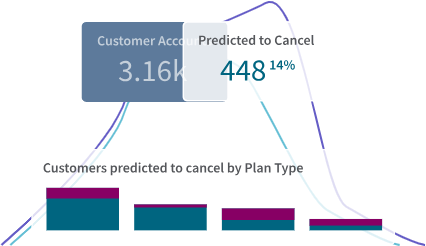
What if your business could predict customer churn before it happens, optimize supply chains in real-time, and make strategic decisions with AI-powered insights—all while your employees ask questions in plain English? This isn’t science fiction—it’s the reality of 2026 analytics. We’re standing at the precipice of an exponential transformation that will fundamentally reshape how organizations extract, interpret, and operationalize data insights

The amount of data organizations must manage is growing at an unprecedented rate, dramatically impacting analytics capabilities and the speed of decision-making.

The shift from today’s analytics to 2026 isn’t just an upgrade—it’s a complete paradigm change. Think of it as moving from a bicycle to a Tesla. While traditional analytics has focused on telling us what happened and why, 2026 analytics will predict what will happen and recommend exactly what to do about it. But are we prepared for this revolution, and what does it mean for businesses trying to stay competitive?

What Analytics Will Look Like in 2026

Picture walking into your office and having your analytics platform already know what decisions you need to make today. By 2026, this scenario won’t be aspirational—it’ll be standard operating procedure. The analytics landscape will be dominated by autonomous systems that don’t just provide insights but actively participate in business decision making.


Real-time autonomous analytics powered by agentic ai systems will make decisions within milliseconds, processing vast amounts of data from multiple sources while ensuring data quality and maintaining data integrity. These ai agents won’t wait for human queries; they’ll proactively monitor data flows, identify patterns, and recommend actions before problems arise. Imagine your analytics platform detecting a potential supply chain disruption and automatically adjusting procurement orders while sending you a simple notification explaining what it did and why.


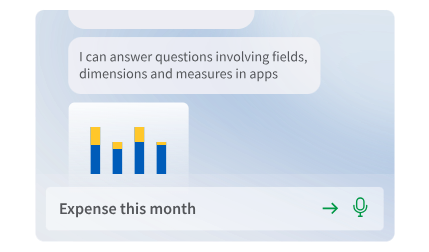
The democratization of analytics will reach new heights through unified analytics platforms that seamlessly integrate traditional business intelligence, machine learning algorithms, and generative AI capabilities. Every employee—from marketing specialists to supply chain managers—will access analytical capabilities through natural language interfaces. No more waiting for data teams to build complex queries or create custom reports. Business users will simply ask, “Why did customer satisfaction drop in the Northeast region?” and receive comprehensive, actionable insights within seconds.


Self-service analytics will become truly self-service, not just in name. The platforms of 2026 will understand context, remember previous interactions, and adapt to individual user preferences. They’ll automatically ensure data quality, handle data integration challenges, and present information in the most relevant format for each data consumer. The days of struggling with disparate data sets and poor data quality will become distant memories as AI agents continuously monitor and improve data consistency across enterprise data warehouses.


Predictive analytics will evolve from a specialized capability to a standard feature across all business functions. Whether you’re in finance, marketing, operations, or human resources, predictive models will be embedded into your daily workflows. These aren’t the simple forecasting tools of today—they’re sophisticated systems that can model complex business scenarios, account for external factors, and provide confidence intervals for their predictions.

Data Foundation

A robust data foundation is the cornerstone of any successful data-driven organization. It serves as the essential base upon which all data management and analytics initiatives are built, ensuring that enterprise data is properly governed, secured, and readily accessible to those who need it. At its core, the data foundation encompasses three critical pillars: data quality, data management, and data governance. Together, these elements provide the structure necessary to maintain data integrity, accuracy, and consistency across the entire organization.

Establishing a strong data foundation begins with the integration of data from multiple sources, including operational databases, data warehouses, and external data sources. By unifying disparate data sets, organizations can create a comprehensive view of their enterprise data, breaking down data silos and enabling seamless data flows across business units. This unified approach not only supports operational systems such as CRM and ERP platforms with quality data, but also ensures that business users have access to the right data at the right time for effective decision making.


Data stewards play a pivotal role in overseeing the data foundation. They are responsible for ensuring that data is properly managed, secured, and compliant with evolving regulatory requirements. Their oversight helps maintain data integrity and supports the implementation of master data management (MDM) practices. MDM is crucial for eliminating data redundancy and ensuring that master data—such as customer, product, and supplier information—remains consistent and trustworthy throughout the organization.


A well-designed data foundation also underpins advanced analytics and business intelligence capabilities. By ensuring data quality and integrity, organizations can trust the insights generated from their data, avoiding the pitfalls of poor data quality that can lead to misguided strategies and missed opportunities. With a solid foundation, business intelligence tools and analytics platforms can deliver valuable insights that drive business outcomes and support data-driven decision making at every level.


Moreover, a strong data foundation enables organizations to respond swiftly to changing business needs and regulatory demands. Whether adapting to new data privacy regulations or supporting new business processes, a reliable data foundation ensures that enterprise data remains accurate, consistent, and secure. This agility is essential for maintaining a competitive edge in today’s fast-paced business environment.


Ultimately, investing in a comprehensive data foundation is not just a technical necessity—it is a strategic imperative. Organizations that prioritize data quality management, effective data governance, and seamless data integration will be best positioned to leverage their data as a true strategic asset, unlocking actionable insights and driving sustained business success.

Key Technologies Driving 2026 Analytics

The technological foundation supporting 2026 analytics represents a convergence of several revolutionary advances. At the center of this transformation are agentic ai systems that autonomously orchestrate end-to-end analytics workflows, from data ingestion across operational systems to action execution in business processes.


These intelligent agents will manage the complete analytics lifecycle without human intervention. They’ll automatically discover new data sources, assess data quality, perform necessary data transformation, and integrate data from operational databases, data marts, and external systems. A data mart is a specialized subset of a data warehouse, designed to serve the analytics needs of specific business units or departments by providing targeted, organized data for reporting and analysis. When they encounter data issues, they’ll either resolve them automatically or flag them for human review, ensuring trustworthy data flows through your analytics pipelines. Dimensional models and OLAP systems leverage multidimensional data and relational tables to support complex analytical queries, enabling users to analyze data from multiple perspectives and perform operations like roll-up and drill-down.


Large Language Models (LLMs) will revolutionize how we interact with data. Instead of learning SQL or mastering dashboard interfaces, business teams will engage in natural conversations with their analytics platforms. These systems will understand context, handle follow-up questions, and even generate custom visualizations on demand. More importantly, they’ll explain their reasoning in plain language, addressing the long-standing challenge of “black box” analytics.


Edge computing will bring analytics processing closer to data sources, enabling sub-second responses for time-critical decisions. This is particularly crucial for IoT applications, mobile analytics, and real-time customer interactions. Instead of sending data to centralized data warehouses for processing, edge analytics will provide immediate insights while still contributing to broader analytical models. Data models play a critical role in standardizing data formats, supporting effective data governance, and ensuring that integrated data is organized and managed consistently across systems.

While still in early stages, quantum computing pilots will begin solving complex optimization problems that are computationally impossible today. Major enterprises will start experimenting with quantum algorithms for supply chain optimization, financial risk modeling, and drug discovery—setting the stage for breakthrough capabilities in the following decade.

Artificial Intelligence Integration

The integration of artificial intelligence into analytics platforms goes far beyond adding chatbot interfaces to existing tools. AI agents will orchestrate entire analytics workflows, making thousands of micro-decisions about data processing, model selection, and insight generation without human oversight.


Machine learning models will automatically update and retrain based on new data patterns, eliminating the traditional model decay problem. When customer behavior shifts or market conditions change, your predictive models will adapt in real-time, maintaining accuracy without manual intervention. This continuous learning approach will be essential for maintaining competitive advantage in rapidly changing markets.


Generative AI will create custom analytics dashboards and reports tailored to specific business questions or user roles. Instead of one-size-fits-all dashboards, each user will have personalized analytics experiences that focus on their specific responsibilities and goals. The system will even anticipate information needs based on calendar events, market conditions, and historical behavior patterns.


Reinforcement learning will optimize business processes through continuous experimentation. These systems will test different approaches to pricing, marketing campaigns, inventory management, and other key business functions, learning from outcomes and gradually improving performance. This represents a shift from static business rules to dynamic, learning-based optimization.

Cloud and Infrastructure Evolution

The infrastructure supporting 2026 analytics will be radically different from today’s architectures. Serverless analytics platforms will eliminate infrastructure management overhead, automatically scaling resources based on demand while optimizing costs. Organizations will focus on business outcomes rather than managing servers, databases, and networking configurations.


Multi-cloud data mesh architectures will enable seamless analytics across cloud providers while maintaining data governance and regulatory compliance. Instead of being locked into a single vendor’s ecosystem, enterprises will choose the best analytics tools for each use case while maintaining unified data policies and access controls.


The combination of 5G networks and edge computing will enable real-time analytics for mobile and IoT applications. Customer data from retail locations, sensor data from manufacturing equipment, and interaction data from mobile apps will be processed instantly, enabling immediate responses to changing conditions.


Hybrid cloud analytics will balance performance requirements with data residency regulations, particularly important for government agencies and healthcare providers handling sensitive information. Advanced data fabric architectures will automatically manage data quality and governance across hybrid environments, ensuring that sensitive data remains secure while still enabling comprehensive analytics. Supporting different types of data—such as structured, semi-structured, and unstructured data—across data lakes, data warehouses, and operational databases is essential for effective analytics in these environments. Metadata management will play a crucial role in maintaining data relevance, accuracy, and governance effectiveness by enabling data cataloging, tracking data lineage, and ensuring data is up-to-date across hybrid and multi-cloud analytics platforms.

Business Intelligence Applications of 2026 Analytics

The real test of any technology is its practical impact on business outcomes. By 2026, analytics will transform virtually every aspect of business operations, delivering measurable improvements in efficiency, customer satisfaction, and profitability.


Customer experience analytics will provide personalized interactions within 100 milliseconds of customer contact. Whether someone visits your website, calls customer service, or walks into a retail location, analytics systems will instantly assess their history, preferences, current context, and likely needs. This isn’t just about showing relevant product recommendations—it’s about understanding customer intent and optimizing every interaction for maximum value.


The customer data integration challenges that plague today’s organizations will be solved through automated data quality management and real-time data transformation. AI agents will continuously monitor customer touchpoints, identify inconsistencies, and maintain comprehensive customer profiles across all channels. Master data management will become truly automated, ensuring that every customer interaction is informed by complete, accurate data.


Supply chain analytics will predict disruptions 6-12 months in advance with 90% accuracy, fundamentally changing how organizations manage inventory, procurement, and distribution. By analyzing historical data from multiple source systems—including weather patterns, political events, economic indicators, and supplier performance—these systems will identify potential problems long before they impact operations.


Financial analytics will transform both risk management and opportunity identification. Real-time fraud detection will analyze transaction patterns, behavioral indicators, and external risk factors to identify suspicious activity within milliseconds. Simultaneously, these systems will identify cross-selling opportunities, optimize pricing strategies, and predict cash flow requirements with unprecedented accuracy.

Healthcare providers will leverage analytics for precision medicine, integrating genomic data, clinical records, and real-time monitoring to provide personalized treatment recommendations. These systems will help identify the most effective treatments for individual patients while continuously learning from outcomes to improve future recommendations.

Industry-Specific Transformations

Retail organizations will deploy computer vision analytics for comprehensive inventory optimization and customer behavior analysis. These systems will track product movement, identify popular shopping paths, optimize store layouts, and predict demand patterns at the individual SKU level. The integration of online and offline customer data will enable truly omnichannel experiences.


Manufacturing will implement predictive maintenance systems that reduce equipment downtime by 80% through continuous monitoring of machine performance, vibration patterns, temperature fluctuations, and other operational data. These systems will schedule maintenance activities during optimal windows, order replacement parts automatically, and predict equipment lifecycle requirements.


Banking institutions will deploy real-time risk analytics for instant loan approvals and fraud prevention. By analyzing credit histories, transaction patterns, market conditions, and alternative data sources, these systems will make lending decisions in real-time while maintaining regulatory compliance and risk management standards.


The energy sector will use smart grid analytics for demand forecasting and renewable energy optimization. These systems will balance supply and demand in real-time, predict equipment maintenance needs, and optimize energy distribution based on weather patterns, usage forecasts, and grid conditions.

Benefits of 2026 Analytics Approaches for Data Quality

The advantages of 2026 analytics extend far beyond faster reports or prettier dashboards. Organizations that successfully implement these capabilities will gain fundamental competitive advantages that compound over time.


Democratized data access will enable all employees to make data driven decisions independently, eliminating bottlenecks in data teams and reducing time-to-insight from weeks to minutes. When business users can access quality data and analytical capabilities directly, organizations become more agile and responsive to market changes.


The automation of analytics pipelines will dramatically reduce the manual effort required to maintain data quality and generate insights. ETL processes will be replaced by intelligent data flows that automatically handle data transformation, quality monitoring, and integration challenges. This frees analytics professionals to focus on strategic initiatives rather than data plumbing.


Enhanced data accuracy through AI-powered monitoring and correction will improve decision quality across the organization. These systems will continuously validate data against business rules, identify anomalies, and correct errors before they impact analysis. The result is trustworthy data that business leaders can rely on for critical decisions.


Improved ROI will come from analytics platforms that deliver 5x faster implementation compared to 2024 solutions. Pre-built industry models, automated configuration, and intelligent integration capabilities will reduce deployment time from months to weeks. Organizations will see value faster and with lower risk.


Better regulatory compliance will result from automated governance and audit trail generation. These systems will automatically track data usage, maintain access controls, implement data policies, and generate compliance reports. For government agencies and regulated industries, this automation is essential for managing complex compliance requirements.


The performance metrics improvements will be substantial: companies leveraging advanced predictive analytics are seeing profit increases as high as 73% over those limited to traditional reporting. This isn’t just about operational efficiency—it’s about fundamentally better decision making enabled by superior analytical capabilities.

Challenges and Considerations for 2026 Data Governance

Despite the tremendous opportunities, the path to 2026 analytics isn’t without obstacles. Understanding and preparing for these challenges will determine which organizations successfully transform their analytics capabilities.


Data privacy and security concerns will intensify as AI automation increases. When agentic ai system have autonomous access to sensitive data across multiple systems, organizations must implement robust access controls and monitoring capabilities. The challenge isn’t just technical—it’s also about maintaining human oversight while enabling AI autonomy. The risk of security breaches grows as data flows between systems, making it essential to have strong policies and controls to prevent unauthorized access and data exposure.


Traditional data governance processes designed for human-driven analytics may not be adequate for AI agents making thousands of decisions per hour. The data governance function must act as a central hub, managing data quality, security, and compliance to ensure verified data flows securely and efficiently to end-users and trusted endpoints. Organizations need new governance frameworks that can provide appropriate oversight without constraining the speed and flexibility that make these systems valuable.


The skills gap represents perhaps the biggest challenge for most organizations. The analytics professionals of 2026 need to understand AI agent management, be comfortable with agentic ai systems, and maintain the business acumen to guide strategic decisions. Simply hiring more data scientists won’t solve this problem—organizations need people who can bridge technical capabilities with business objectives.


Integration complexity will test even the most sophisticated IT teams. Connecting legacy operational systems with modern analytics platforms while maintaining data integrity and performance requires careful planning and execution. It is crucial to ensure data integrity during integration and transformation processes to maintain accurate, reliable, and secure data for informed decision-making. Many organizations will discover that their current data warehouse architecture isn’t capable of supporting real-time, AI-driven analytics at scale.


Ethical AI considerations become more critical as systems gain autonomy. When analytics platforms make decisions that affect customers, employees, and business outcomes, organizations must ensure fairness, transparency, and accountability. This requires not just technical controls but also governance processes and cultural awareness.


Cost management will challenge finance teams as advanced analytics infrastructure requires significant investment. While the ROI potential is substantial, the upfront costs for cloud infrastructure, AI platforms, and talent can be daunting. Organizations need clear business cases and phased implementation plans to manage these investments effectively.

The statistical reality is sobering: 75% of AI analytics projects fail to scale past pilots, most commonly due to data fragmentation, integration issues, and talent shortages. Only 2% of enterprises are truly prepared to take advantage of AI analytics at scale. These numbers highlight the importance of comprehensive preparation rather than rushed implementation.

Preparing for 2026 Analytics Success

Success in 2026 analytics isn’t about waiting for the future—it’s about taking strategic action today. Organizations that begin preparing now will have significant advantages over those that wait until these technologies become mainstream.


Investing in data infrastructure modernization must start immediately. This means moving beyond traditional data warehouses to modern data architectures that can support real-time processing, handle large volumes of diverse data types, and integrate seamlessly with AI platforms. The goal isn’t just to store more data—it’s to create flexible, scalable foundations that can evolve with changing requirements.


Focus on resolving data quality issues and eliminating data silos before implementing advanced analytics. The most sophisticated AI systems can’t overcome fundamentally poor data quality or fragmented data management. Organizations need to establish master data management processes, implement data quality monitoring, and create unified views of critical business entities.


Developing analytics talent requires partnerships with universities, professional training programs, and strategic hiring initiatives. The analytics engineers of 2026 need technical skills in SQL, Python, and cloud platforms, combined with business acumen and AI system management capabilities. Traditional hiring approaches focused on certificates and credentials are less relevant than demonstrated technical skills and practical experience.


Establishing data governance frameworks must account for AI agent automation and real-time processing requirements. This includes developing data policies that can be enforced automatically, implementing access controls that work with AI systems, and creating monitoring capabilities that can track millions of data interactions. The governance function needs to balance oversight with operational efficiency.


Creating cross-functional analytics teams that combine domain expertise with technical skills will be essential for successful implementation. Pure technical teams often struggle to identify the most valuable business applications, while business teams without technical understanding can’t effectively guide system development. The most successful organizations will have hybrid teams that can bridge these gaps.


Building change management processes must address organization-wide analytics adoption. When every employee has access to advanced analytical capabilities, organizations need training programs, support systems, and cultural initiatives that encourage data-driven decision making. This isn’t just about technology adoption—it’s about fundamental changes in how people work.


Piloting emerging technologies like agentic ai and quantum computing in controlled environments allows organizations to build expertise and identify applications before full-scale deployment. Start with specific use cases that have clear business value and manageable risk, then expand successful pilots to broader applications.


The timeline for preparation is shorter than many organizations realize. Infrastructure modernization typically takes 18-24 months, talent development requires 12-18 months, and pilot projects need 6-12 months to show meaningful results. Organizations that start comprehensive preparation in 2024 will be positioned to take advantage of 2026 capabilities as they become available.


Consider forming strategic partnerships with technology vendors, consulting firms, and other organizations in your industry. The complexity of 2026 analytics transformation exceeds what most organizations can handle independently. Collaborative approaches can accelerate progress while sharing costs and risks.


The future of analytics isn’t just about technology—it’s about reimagining how organizations create value from data. The companies that thrive in 2026 will be those that combine predictive intelligence with informed human decision-making, creating sustainable competitive advantages through superior analytical capabilities.


Are you ready to begin this transformation? The organizations that start preparing today will be the leaders of tomorrow. The question isn’t whether 2026 analytics will transform your industry—it’s whether your organization will be among those driving that transformation or struggling to catch up.

Next Steps

Not sure where to start with your analytics journey? 


Talk to SIFT Analytics — and let us help you build a practical, scalable analytics strategy that delivers real business results.

Establish Clear Validation Rules
SIFT Analytics – data analytics challenges in Singapore – data governance best practice – affordable analytics services


More Data-Related Topics That Might Interest You


Connect with SIFT Analytics

As organisations strive to meet the demands of the digital era, SIFT remains steadfast in its commitment to delivering transformative solutions. To explore digital transformation possibilities or learn more about SIFT’s pioneering work, contact the team for a complimentary consultation. Visit the website at www.sift-ag.com for additional information.

About SIFT Analytics

Get a glimpse into the future of business with SIFT Analytics, where smarter data analytics driven by smarter software solution is key. With our end-to-end solution framework backed by active intelligence, we strive towards providing clear, immediate and actionable insights for your organisation.


Headquartered in Singapore since 1999, with over 500 corporate clients, in the region, SIFT Analytics is your trusted partner in delivering reliable enterprise solutions, paired with best-of-breed technology throughout your business analytics journey. Together with our experienced teams, we will journey. Together with you to integrate and govern your data, to predict future outcomes and optimise decisions, and to achieve the next generation of efficiency and innovation.

The Analytics Times

“The Analytics Times is your source for the latest trends, insights, and breaking news in the world of data analytics. Stay informed with in-depth analysis, expert opinions, and the most up-to-date information shaping the future of analytics.

Published by SIFT Analytics

SIFT Marketing Team

marketing@sift-ag.com

+65 6295 0112

SIFT Analytics Group

The Analytics Times

Data Warehouse Services:
Complete Guide to Cloud-Based Data Warehousing Solutions

The global data warehouse services market reached $5.68 billion in 2022 and continues expanding at an impressive 23.5% compound annual growth rate through 2030. This explosive growth reflects a fundamental shift in how enterprises approach data analytics and business intelligence. Organizations worldwide are abandoning costly on-premises infrastructure in favor of cloud-based data warehouse services that deliver superior performance, scalability, and cost-effectiveness. Cloud based data warehouses, as a modern alternative, offer flexible deployment, reduced maintenance, and improved accessibility compared to traditional systems.


Traditional data warehouse requires massive upfront investments—often exceeding $1 million for enterprise implementations—plus months of planning, hardware procurement, and complex installations. Today’s cloud data warehouse services eliminate these barriers, allowing companies to deploy petabyte-scale analytics platforms within hours rather than months.


This comprehensive guide examines everything you need to know about data warehouse services, from core components and leading providers to real-world implementation strategies and industry use cases that deliver measurable business value. We will also explore data warehouse cloud services as a modern, managed solution for storing and analyzing large data sets.


While traditional approaches relied on on premises data warehousing, which required significant internal resources and management, modern cloud-based solutions shift the responsibility for infrastructure and maintenance to the service provider, enabling greater agility and scalability.

What Are Data Warehouse Services?

Data warehouse services represent a revolutionary approach to enterprise data storage and analytics through cloud-managed solutions that eliminate traditional infrastructure headaches. The cloud service provider manages the underlying hardware and software resources, allowing organizations to focus on analytics rather than infrastructure maintenance. These services provide organizations with scalable data warehousing capabilities without the complexity of managing underlying hardware, software, and maintenance requirements.

Unlike traditional on-premises data warehouses that require dedicated hardware investments and specialized IT teams, cloud-based data warehouse services operate on a pay-as-you-use model. Leveraging a cloud provider reduces operational overhead, as they handle the infrastructure and management tasks. Organizations can process terabytes or petabytes of data without purchasing servers, configuring storage systems, or hiring additional staff for system administration.


The market transformation reflects changing business needs. Companies generate exponentially more data from web applications, IoT devices, mobile platforms, and external sources. Traditional on-premises solutions struggle to accommodate this growth cost-effectively, while data warehouse services provide elastic scaling that matches actual usage patterns.


Data warehouse services distinguish themselves from conventional warehouses through several key characteristics. They offer instant provisioning of resources, automatic software updates, built-in disaster recovery, and global availability zones. Most importantly, they separate compute and storage resources, allowing independent scaling that optimizes both performance and costs. Robust security measures, including built in security features, data security protocols, and data encryption, are key advantages of these services, ensuring compliance and protection of sensitive information.


The structure of these services is defined by data warehouse architecture and key components that organize, process, and present data for analytics. Data warehouse stores are designed for storing data from multiple sources, enabling efficient business intelligence and analytics workflows. The primary function of a data warehouse is storing data in a centralized repository, and data warehouse stores facilitate this by holding structured, pre-processed data for analysis.


Integration capabilities are enhanced by data integration tools, which are essential for connecting various data sources, cloud services, data lakes, and BI platforms, creating a seamless data ecosystem. In analytics and ETL/ELT processes, data modeling plays a crucial role in transforming and preparing data for higher-value activities. Data analysts benefit from the familiar SQL interfaces and tools provided by these platforms, enabling them to leverage their existing skills for querying and data manipulation.


The distinction between traditional on-premises warehouses and cloud-based data warehouse services becomes evident in deployment speed and operational overhead. While legacy systems require extensive planning and months of implementation, modern warehouse as a service solutions can be operational within hours, immediately providing access to advanced analytics capabilities. Enterprise data warehouse services offer a managed solution for large organizations, supporting real-time access, scalability, and innovation.

Core Components of Data Warehouse Services

Modern data warehouse services comprise several integrated components that work together to deliver comprehensive analytics capabilities. Understanding these elements helps organizations evaluate different providers and optimize their implementations.

Managed Cloud Infrastructure

The foundation of any data warehouse service lies in its managed cloud infrastructure, which includes compute, storage, and networking resources. Cloud providers handle all hardware provisioning, maintenance, and upgrades automatically. This infrastructure operates across multiple availability zones, ensuring high availability and disaster recovery without additional configuration.


Storage resources utilize distributed file systems that provide both durability and performance. Data gets automatically replicated across multiple locations, protecting against hardware failures while enabling rapid access. The storage layer typically supports both structured data from traditional databases and semi-structured data from modern applications.


Compute resources scale independently from storage, allowing organizations to adjust processing power based on query complexity and user demand. During peak analysis periods, additional compute resources automatically provision to maintain response times. When demand decreases, resources scale down to minimize costs.

Data Ingestion Engines

Sophisticated data ingestion engines facilitate the extract, transform, and load (ETL) processes that populate data warehouses from multiple sources. Modern services support both traditional ETL workflows and newer ELT patterns where raw data loads first, then transforms within the warehouse environment.


These engines connect to hundreds of data sources including operational databases, SaaS applications, streaming platforms, and external APIs. Built-in connectors eliminate the need for custom integration code, while automated schema detection and mapping reduce implementation time.


Real-time data processing capabilities enable streaming ingestion from IoT devices, web analytics, and transaction systems. This allows organizations to analyze data as it arrives rather than waiting for batch processing windows.

Query Processing Engines

Query processing engines optimize analytical workloads through columnar storage, compression, and parallel processing. These engines automatically optimize query execution plans, redistribute data across nodes, and cache frequently accessed information.


Advanced indexing and partitioning strategies improve query performance while reducing resource consumption. The engines support standard SQL syntax along with advanced analytical functions for statistical analysis, time-series processing, and machine learning operations.


Multi-user concurrency controls ensure consistent performance even when hundreds of analysts run simultaneous queries. Workload management features prioritize critical business reports while managing resource allocation across different user groups.


Security Layers

Comprehensive security frameworks protect sensitive data through multiple layers of defense. Encryption protects data both at rest and in transit using industry-standard AES-256 algorithms. All network communications utilize TLS encryption to prevent unauthorized interception.

Access controls integrate with existing identity management systems, supporting single sign-on and multi-factor authentication. Role-based permissions ensure users only access authorized data, while audit logs track all system activity for compliance reporting.


Compliance frameworks address regulations like GDPR, HIPAA, and SOC 2 through built-in controls and automated monitoring. Regular security updates and vulnerability patches get applied automatically without service interruptions.


Integration APIs

Robust APIs enable seamless integration with business intelligence tools, data lakes, and machine learning platforms. Standard protocols like JDBC and ODBC ensure compatibility with existing analytics software, while REST APIs support custom application development.


Native integrations with popular BI platforms eliminate complex configuration requirements. Data scientists can connect directly from Python, R, and other analytical environments to process data without additional data movement.

Architecture Models

Three-Tier Architecture

Traditional three-tier architecture separates storage, processing, and presentation layers. The storage layer manages all raw data, historical data, and historical information using distributed file systems designed to efficiently store data for long-term retention and analysis. The processing layer handles query execution and data transformations through parallel computing resources. The presentation layer provides interfaces for business users, analysts, and applications.


This separation enables independent optimization of each layer. Storage can prioritize cost-effectiveness and durability, while processing focuses on performance and scalability. The presentation layer emphasizes usability and integration capabilities.


Separation of Compute and Storage in Cloud Data Warehouse

Modern data warehouse services decouple compute and storage resources to optimize both cost and performance. Storage scales based on data volume requirements, while compute scales according to query complexity and user demand.


Organizations pay only for actual resource usage. During periods of high analytical activity, additional compute resources provision automatically. When analysis decreases, compute resources scale down while data remains available for future queries.


This architecture prevents the over-provisioning common in traditional systems where compute and storage scaled together regardless of actual needs.


Multi-Cloud and Hybrid Deployment Options

Leading data warehouse services support deployment across multiple cloud providers, reducing vendor lock-in risks and enabling data residency compliance. Organizations can process data where it originates while maintaining centralized analytics capabilities.


Hybrid deployments accommodate on-premises systems that cannot migrate to cloud environments due to regulatory or technical constraints. Secure connections enable seamless data movement between on-premises and cloud resources.


Serverless vs. Provisioned Capacity Models

Serverless models eliminate capacity planning by automatically allocating resources based on query requirements. Users submit queries without specifying cluster sizes or instance types. The service handles all resource management transparently.


Provisioned capacity models provide predictable performance for consistent workloads. Organizations pre-allocate specific compute resources that remain available for dedicated use. This approach offers cost advantages for high-volume, continuous processing requirements.

Key Benefits of Data Warehouse Services

Organizations adopting cloud-based data warehouse services typically experience significant improvements in cost structure, operational efficiency, and analytical capabilities. Continuous monitoring is a key benefit, helping maintain performance and stability as the data warehouse evolves to meet organizational needs. These benefits compound over time as data volumes grow and analytical requirements become more sophisticated, with scalable solutions making it easier for organizations to store data efficiently as their needs expand.

Reduced Infrastructure Costs

The elimination of upfront hardware investments represents the most immediate cost benefit of data warehouse services. Traditional enterprise data warehouse implementations require capital expenditures ranging from $100,000 to over $1 million for initial hardware procurement. This includes servers, storage arrays, networking equipment, and backup systems.

Cloud-based data warehouse services operate on pay-as-you-use pricing models that reduce operational expenses by 30-60% compared to on-premises alternatives. Organizations avoid hardware refresh cycles, software licensing fees, and maintenance contracts that typically consume 15-20% of initial investment annually.


The elimination of dedicated data center requirements provides additional savings. On-premises data warehouses require climate-controlled environments, redundant power systems, and physical security measures. Cloud services deliver these capabilities as part of their standard offering without additional facility investments.


Staffing cost reductions significantly impact total cost of ownership. Traditional data warehouses require specialized database administrators, system administrators, and hardware maintenance personnel. Cloud services transfer these responsibilities to the provider, allowing internal teams to focus on analytics and business value creation rather than infrastructure management.

Instant Scalability

On-demand resource allocation enables organizations to scale from terabytes to petabytes within minutes rather than months. Traditional scaling requires hardware procurement, installation, configuration, and testing processes that often take 3-6 months to complete.


Automatic scaling during peak usage periods eliminates performance degradation that commonly affects on-premises systems. When month-end reporting or seasonal analysis increases query volume, additional compute resources provision automatically to maintain response times.


Elastic compute resources scale independently from storage capacity, optimizing both performance and cost. Organizations can increase processing power for complex analytical workloads without purchasing additional storage, or expand storage for data retention without over-provisioning compute resources.


Support for concurrent users scales from dozens to thousands without manual intervention. Traditional systems require careful capacity planning to accommodate user growth, often leading to over-provisioning or performance issues. Cloud services automatically adjust resources based on actual concurrent usage patterns.

Enhanced Security and Compliance

Built-in compliance frameworks address regulations including GDPR, HIPAA, SOC 2, and industry-specific requirements through automated controls and monitoring. Organizations inherit comprehensive compliance capabilities without implementing separate security infrastructure.


Multi-layer encryption protects data using AES-256 standards for both data at rest and data in transit. All network communications utilize TLS encryption, while database-level encryption protects against unauthorized access to storage systems.


Regular security updates and vulnerability patches apply automatically without service interruptions. Cloud providers employ dedicated security teams that monitor threats continuously and respond faster than most organizations can manage independently.


Advanced authentication capabilities include single sign-on integration, multi-factor authentication, and role-based access controls. These features integrate with existing identity management systems while providing granular permissions for different user groups and data sensitivity levels.

Leading Data Warehouse Service Providers

The cloud data warehouse market features several dominant providers, each offering unique capabilities and pricing models. Understanding the strengths and limitations of major platforms helps organizations select solutions that align with their specific requirements and existing technology investments.

Amazon Redshift

Amazon Redshift pioneered the cloud data warehouse category and continues leading in enterprise adoption. The platform provides petabyte-scale columnar storage with Redshift Spectrum capabilities that extend queries to data stored in Amazon S3 data lakes without additional data movement.


Machine learning integration through Amazon SageMaker enables advanced analytics within the warehouse environment. Data scientists can build, train, and deploy models using familiar SQL syntax rather than requiring separate analytical platforms.


Pricing starts at $0.25 per hour for dc2.large instances, with reserved instances providing up to 75% cost savings for consistent workloads. The platform offers both on-demand and reserved pricing models to accommodate different usage patterns and budget requirements.


Strong integration with the AWS ecosystem provides seamless connectivity to S3 storage, Lambda functions, and QuickSight business intelligence tools. Organizations already using AWS services benefit from simplified data pipelines and unified security management.


Recent enhancements include automatic workload management, materialized views for query acceleration, and cross-region data sharing capabilities. The platform continues evolving to support both traditional business intelligence and modern machine learning workloads.


Google BigQuery

Google BigQuery operates on a serverless architecture that automatically scales compute resources and eliminates infrastructure management. The platform provides zero-downtime maintenance and automatic software updates without requiring scheduled maintenance windows.


Built-in machine learning capabilities through BigQuery ML enable data scientists to create and deploy models using SQL syntax. This eliminates the need to export data to separate machine learning platforms while providing access to Google’s advanced AI algorithms.


The slot-based pricing model provides predictable costs for consistent workloads, while on-demand query pricing charges $5 per terabyte processed. Organizations can optimize costs by choosing the model that best matches their usage patterns.


Real-time analytics capabilities support streaming inserts up to 100,000 rows per second, enabling immediate analysis of high-velocity data sources. This makes BigQuery particularly suitable for organizations requiring real-time dashboards and alerting.


Integration with Google Cloud’s data and analytics ecosystem includes seamless connectivity to Cloud Storage, Dataflow, and Looker business intelligence tools. The platform particularly excels at processing large datasets with complex analytical requirements.


Snowflake

Snowflake operates as a multi-cloud platform supporting Amazon Web Services, Microsoft Azure, and Google Cloud deployments. This flexibility reduces vendor lock-in risks while enabling organizations to choose cloud providers based on regional requirements or existing relationships.


The unique architecture separates compute and storage billing, allowing independent scaling of resources. Organizations pay for storage based on actual data volume and compute based on query processing time, optimizing costs for both data retention and analytical workloads.


Time Travel functionality provides data recovery capabilities up to 90 days, enabling restoration of accidentally deleted or modified data without traditional backup systems. This feature significantly simplifies data governance and compliance requirements.


Data sharing capabilities allow organizations to share datasets across different Snowflake accounts without physically moving data. This enables secure collaboration with partners, customers, and suppliers while maintaining control over sensitive information.


The platform emphasizes ease of use with standard SQL support and automatic optimization features. Users can focus on analytical queries rather than database tuning, while the platform handles performance optimization automatically.


Microsoft Azure Synapse Analytics

Azure Synapse Analytics provides a unified platform combining data warehousing and big data analytics in a single service. This integration eliminates the need for separate systems while providing consistent security and management across different analytical workloads.


Integration with Power BI enables enterprise business intelligence with native connectivity and optimized performance. Organizations using Microsoft’s productivity suite benefit from seamless integration across the entire analytics workflow.


The platform supports both provisioned and serverless SQL pools to accommodate different workload patterns. Provisioned pools provide consistent performance for predictable workloads, while serverless pools optimize costs for intermittent or variable usage.


Apache Spark integration enables advanced analytics and machine learning within the same platform used for traditional business intelligence. Data scientists can process large datasets using familiar Spark APIs while accessing the same data used for reporting.


Strong integration with the Microsoft ecosystem includes connectivity to Office 365, Dynamics 365, and Azure machine learning services. Organizations already invested in Microsoft technologies benefit from unified identity management and simplified data governance.

Industry Use Cases for Data Warehouse Services

Real-world implementations of data warehouse services demonstrate significant value across diverse industries. These examples illustrate both the technical capabilities and business outcomes achievable through cloud-based analytics platforms.

Healthcare and Life Sciences

Healthcare organizations leverage data warehouse services to consolidate patient data from electronic health records, medical imaging systems, laboratory information systems, and wearable devices. This comprehensive view enables population health analytics, clinical decision support, and operational efficiency improvements.

Clinical trial data analysis represents a critical application where pharmaceutical companies process data from multiple research sites to support drug development and regulatory submissions. Cloud platforms provide the scalability needed to analyze genomic data, clinical outcomes, and safety information across large patient populations.


Population health analytics enable healthcare systems to identify disease outbreak patterns, predict resource requirements, and develop prevention strategies. By analyzing data from multiple sources including public health databases, insurance claims, and social determinants of health, organizations can implement proactive interventions.


Operational efficiency improvements result from analyzing patient flow patterns, resource utilization, and staff scheduling optimization. Healthcare systems report reductions in patient wait times by 20-40% through data-driven process improvements and predictive analytics.


Real-time monitoring capabilities enable early detection of sepsis, medication interactions, and other critical conditions. By processing streaming data from patient monitors and electronic health records, clinical alerts can trigger within minutes rather than hours.


Financial Services

Risk analytics represents the primary use case for data warehouse services in financial institutions, where organizations process millions of transactions daily to detect fraudulent activities, assess credit risks, and ensure regulatory compliance.


Regulatory reporting automation addresses requirements including Basel III capital adequacy reporting, Dodd-Frank stress testing, and anti-money laundering compliance. Automated data collection and validation reduce reporting preparation time from weeks to days while improving accuracy.


Customer 360 analytics combine data from checking accounts, credit cards, investment portfolios, and digital interactions to provide personalized banking recommendations and investment advice. This comprehensive view enables targeted marketing campaigns with response rates 3-5 times higher than generic offers.


Real-time trading analytics require sub-second query response times to support algorithmic trading, risk management, and regulatory reporting. Cloud platforms provide the parallel processing capabilities needed to analyze market data, portfolio positions, and risk exposures simultaneously.


Fraud detection systems analyze transaction patterns, device fingerprints, and behavioral indicators to identify suspicious activities within milliseconds. Machine learning models trained on historical fraud patterns can detect new attack vectors and reduce false positive rates by 30-50%.


Retail and E-commerce

Customer behavior analysis combines data from web analytics, mobile applications, point-of-sale systems, and loyalty programs to understand shopping patterns across all touchpoints. This omnichannel view enables personalized recommendations and targeted marketing campaigns.


Inventory optimization utilizes demand forecasting, supplier performance data, and seasonal trends to reduce stockouts by 15-25% while decreasing overstock situations by 20-30%. Advanced analytics identify optimal reorder points and safety stock levels for thousands of products across multiple locations.


Dynamic pricing strategies analyze competitor pricing, demand elasticity, and inventory levels to optimize profit margins while maintaining competitive positioning. Real-time price adjustments can increase revenue by 10-15% compared to static pricing models.


Supply chain visibility extends from raw material suppliers to end customers, enabling organizations to identify potential disruptions and develop contingency plans. By analyzing supplier performance, transportation costs, and demand patterns, retailers can optimize logistics networks and reduce costs.


Recommendation engines process customer purchase history, product attributes, and behavioral data to suggest relevant products. Effective recommendation systems increase average order values by 15-25% while improving customer satisfaction and retention rates.

Implementation Considerations

Successful implementation of data warehouse services requires careful planning across multiple dimensions including data migration strategies, cost optimization approaches, and performance tuning techniques. Organizations that invest time in proper planning typically achieve better outcomes and faster time-to-value.


Data Migration Strategies

The choice between lift-and-shift versus re-architecture approaches significantly impacts migration complexity, timeline, and long-term benefits. Lift-and-shift migrations replicate existing database structures and ETL processes in cloud environments, minimizing initial disruption but potentially limiting optimization opportunities.


Re-architecture approaches redesign data models and processing workflows to leverage cloud-native capabilities. While requiring more initial effort, these implementations typically achieve better performance and cost optimization while enabling advanced analytics capabilities not available in legacy systems.


Data validation and testing procedures ensure migration accuracy through automated data quality checks and reconciliation processes. Comprehensive testing includes row count validation, data type verification, and business logic testing to identify discrepancies before production cutover.


Downtime minimization techniques utilize parallel processing and incremental load strategies to maintain business operations during migration. Organizations can implement dual-write patterns where new data writes to both legacy and cloud systems, enabling gradual migration with minimal service interruption.


Rollback procedures and contingency planning prepare for potential migration issues through documented recovery processes and backup strategies. Successful implementations include detailed rollback plans that can restore operations within defined recovery time objectives if problems arise.


Cost Optimization

Right-sizing compute resources based on actual usage patterns prevents over-provisioning while ensuring adequate performance for peak workloads. Cloud monitoring tools provide insights into resource utilization that enable optimization of instance types and cluster configurations.


Data compression techniques reduce storage costs by 50-80% through columnar storage formats and advanced compression algorithms. Organizations should evaluate different compression strategies based on query patterns and performance requirements.


Query optimization and workload management minimize processing costs through efficient SQL design, materialized views, and result caching. Proper indexing strategies and partition pruning can reduce query execution time and resource consumption significantly.

Reserved capacity planning provides 30-50% cost savings for predictable workloads through pre-commitment to specific resource levels. Organizations with consistent analytical requirements benefit from reserved instance pricing while maintaining flexibility for variable workloads.


Automated cost monitoring and alerting prevent unexpected expenses through spending thresholds and resource usage alerts. Proactive cost management identifies optimization opportunities before they impact budgets significantly.


Performance Tuning

Data partitioning strategies improve query performance by eliminating unnecessary data scans through date-based, geographical, or categorical partitioning schemes. Proper partitioning can reduce query execution time by 50-90% for analytical workloads that filter on partition keys.


Indexing and materialized view optimization accelerate frequently executed queries through pre-computed results and optimized data structures. Organizations should identify common query patterns and create supporting indexes and views accordingly.


Workload isolation prevents resource contention between different user groups and application types. Separate compute clusters for batch processing, interactive analytics, and real-time reporting ensure consistent performance across different use cases.


Monitoring and alerting setup enables proactive performance management through automated detection of slow queries, resource bottlenecks, and system issues. Comprehensive monitoring includes query performance metrics, resource utilization tracking, and user experience indicators.


Query result caching reduces redundant processing by storing frequently accessed results for reuse. Intelligent caching strategies can improve response times for common queries while reducing compute costs for repetitive analytical workloads.

Future Trends in Data Warehouse Services

The evolution of data warehouse services continues accelerating through advances in artificial intelligence, real-time processing capabilities, and architectural innovations that promise to transform how organizations manage and analyze data.


Integration of artificial intelligence and machine learning for automated data management represents a significant trend where platforms automatically optimize query performance, detect data quality issues, and recommend schema improvements. These capabilities reduce the administrative burden on IT teams while improving system performance and reliability.


Real-time analytics capabilities with streaming data processing enable organizations to analyze data as it arrives rather than waiting for batch processing windows. This evolution supports use cases requiring immediate insights such as fraud detection, supply chain optimization, and customer experience personalization.


Data mesh architectures enable decentralized data ownership where business domains manage their own data products while maintaining interoperability through standardized interfaces. This approach addresses scalability challenges in large organizations while improving data quality through domain expertise.


Quantum computing integration for complex analytical workloads represents an emerging frontier where quantum algorithms could solve optimization problems and pattern recognition challenges currently intractable with classical computing approaches. While still experimental, early research shows promise for specific analytical applications.


Enhanced data governance with automated privacy and compliance controls addresses growing regulatory requirements through machine learning-powered data classification, automated policy enforcement, and intelligent data masking. These capabilities help organizations maintain compliance while enabling broader data access for analytics.


The convergence of data warehouses and data lakes into unified lakehouse architectures provides flexibility to store both structured and unstructured data in a single platform. This evolution eliminates the complexity of managing separate systems while enabling advanced analytics across diverse data types.


Serverless computing models continue expanding to eliminate infrastructure management completely while providing automatic scaling and optimization. Future platforms will likely abstract away all infrastructure concerns, allowing organizations to focus entirely on analytics and business value creation.

Conclusion

Data warehouse services represent a fundamental transformation in enterprise analytics, delivering unprecedented scalability, cost-effectiveness, and analytical capabilities compared to traditional on-premises solutions. Organizations adopting cloud-based data warehouse services typically achieve 30-60% cost reductions while gaining access to advanced analytics capabilities that were previously available only to the largest enterprises.


The leading platforms—Amazon Redshift, Google BigQuery, Snowflake, and Microsoft Azure Synapse Analytics—each offer unique strengths that address different organizational requirements and existing technology investments. Success depends on careful evaluation of current needs, future growth projections, and integration requirements with existing systems.


Implementation success requires strategic planning across data migration, cost optimization, and performance tuning dimensions. Organizations that invest in proper planning and adopt best practices achieve faster time-to-value and better long-term outcomes from their cloud data warehouse investments.


The future promises even greater capabilities through artificial intelligence integration, real-time processing advances, and architectural innovations like data mesh and lakehouse platforms. Early adopters of data warehouse services position themselves to leverage these emerging capabilities as they become available.


For organizations still relying on traditional data warehouses, the time for cloud migration has arrived. The combination of immediate cost savings, enhanced capabilities, and future-ready architecture makes data warehouse services essential for remaining competitive in today’s data-driven business environment.

Data Marts and Analysis

Data marts are specialized, focused repositories that store a curated subset of data from a larger data warehouse, typically tailored to meet the needs of specific business units or departments. Unlike enterprise-wide data warehouses that aggregate data from across the organization, data marts are designed to provide rapid, targeted access to information relevant to particular teams—such as sales, marketing, or finance—enabling more efficient data analysis and business intelligence.


By leveraging data marts alongside broader data warehouse solutions, organizations empower business users to quickly access and analyze data that is most pertinent to their roles. This targeted approach streamlines reporting and supports faster, more informed decision-making, as users are not overwhelmed by irrelevant data volumes. Data marts also help maintain data consistency and quality by drawing from the centralized data warehouse, ensuring that all analysis is based on a single source of truth.


In the era of cloud data warehouses, creating and managing data marts has become even more straightforward. Cloud-based platforms allow organizations to spin up new data marts on demand, scale resources as needed, and integrate seamlessly with analytics tools. This flexibility means that as business requirements evolve, data marts can be quickly adapted or expanded to support new data analysis initiatives. Ultimately, the combination of data warehouses and data marts enhances business intelligence capabilities, enabling organizations to derive deeper insights and drive more effective strategies across all areas of the business.

Data Analysis and Science

Data analysis and data science are at the heart of modern data warehousing strategies, transforming raw data stored in cloud data warehouses into actionable business value. By utilizing advanced analytics, statistical modeling, and machine learning, organizations can analyze data to uncover trends, identify opportunities, and solve complex business challenges.


Cloud data warehousing services provide a robust foundation for data scientists and analysts to work with large volumes of structured and unstructured data. With support for SQL queries, data visualization, and integration with popular analytics tools, these platforms make it easy to process data and generate valuable insights. Built-in machine learning capabilities allow teams to develop predictive models directly within the data warehouse environment, streamlining workflows and reducing the need for data movement between systems.


Data warehousing services also facilitate collaboration between data engineers, analysts, and business users by providing a centralized repository for all enterprise data. This ensures that everyone is working with consistent, high-quality data, which is essential for accurate analysis and reporting. As organizations refine their data strategy, the ability to analyze data in real time and at scale becomes a key differentiator, enabling faster response to market changes and more informed decision-making.


By embracing data analysis and science within their data warehousing solutions, businesses can unlock the full potential of their data assets. Whether it’s optimizing operations, enhancing customer experiences, or driving innovation, the insights gained from analyzing data stored in cloud data warehouses are critical to achieving long-term business success.

Next Steps

Not sure where to start with your analytics journey? 


Talk to SIFT Analytics — and let us help you build a practical, scalable analytics strategy that delivers real business results.

Establish Clear Validation Rules
SIFT Analytics – data analytics challenges in Singapore – data governance best practice – affordable analytics services


More Data-Related Topics That Might Interest You


Connect with SIFT Analytics

As organisations strive to meet the demands of the digital era, SIFT remains steadfast in its commitment to delivering transformative solutions. To explore digital transformation possibilities or learn more about SIFT’s pioneering work, contact the team for a complimentary consultation. Visit the website at www.sift-ag.com for additional information.

About SIFT Analytics

Get a glimpse into the future of business with SIFT Analytics, where smarter data analytics driven by smarter software solution is key. With our end-to-end solution framework backed by active intelligence, we strive towards providing clear, immediate and actionable insights for your organisation.


Headquartered in Singapore since 1999, with over 500 corporate clients, in the region, SIFT Analytics is your trusted partner in delivering reliable enterprise solutions, paired with best-of-breed technology throughout your business analytics journey. Together with our experienced teams, we will journey. Together with you to integrate and govern your data, to predict future outcomes and optimise decisions, and to achieve the next generation of efficiency and innovation.

The Analytics Times

“The Analytics Times is your source for the latest trends, insights, and breaking news in the world of data analytics. Stay informed with in-depth analysis, expert opinions, and the most up-to-date information shaping the future of analytics.

Published by SIFT Analytics

SIFT Marketing Team

marketing@sift-ag.com

+65 6295 0112

SIFT Analytics Group

The Analytics Times

Data Governance Services: Transform Your Data into a Strategic Asset

In today’s data-driven economy, organizations are drowning in information while starving for insights. Poor data quality costs the average enterprise $15 million annually, while data breaches can devastate both finances and reputation. Yet many companies treat their data assets like forgotten inventory—valuable resources left unmanaged and underutilized. Data governance services offer a transformative solution, converting chaotic data landscapes into strategic business advantages through expert-led frameworks that ensure data quality, security, and compliance across the entire organization.


The benefits of data governance include improved operational efficiency, cost reduction, better decision-making, enhanced collaboration, and stronger compliance, all of which contribute to increased trust in data and a competitive business advantage.


The challenge isn’t just technical—it’s organizational. Effective data governance requires coordinating people, processes, and technology to create a unified approach to managing data. Professional data governance services provide the expertise, methodologies, and tools needed to implement robust data governance frameworks that drive measurable business outcomes while reducing risk and operational overhead. These services also help organizations establish basic data governance principles, ensuring a strong foundation for companies at any level of data maturity.


Accurate data is essential for reliable analytics and business intelligence, making high data quality a critical component of any successful data governance initiative.

What Are Data Governance Services?

Data governance services provide expert-led frameworks to manage data quality, security, and compliance across organizations. These comprehensive solutions go far beyond simple data management, offering strategic guidance and operational support to transform how organizations handle their most valuable asset: data.


Professional data governance services encompass policy creation, data classification, metadata management, and regulatory compliance support. Rather than leaving organizations to navigate complex governance challenges alone, these services bring proven methodologies, specialized expertise, and battle-tested tools to accelerate implementation and ensure success.


The core value proposition centers on transformation: services transform data from operational burden into strategic business asset driving decision-making. This shift enables organizations to move from reactive data management to proactive data strategy, where information becomes a competitive advantage rather than a compliance headache. Implementing a comprehensive data governance strategy is essential to support organizational growth and data-driven decision-making. Data governance services also enable organizations to leverage data and analytics for actionable insights that drive strategic choices.

Professional teams implement governance programs using proven methodologies and specialized tools that have been refined across hundreds of implementations. Ongoing data governance activities are continuously assessed and integrated as part of a growing, adaptive process. These data governance efforts are vital for maintaining data accuracy, consistency, and compliance. This experience translates into faster deployment, fewer pitfalls, and more reliable outcomes than internal teams typically achieve working in isolation.

Data Governance Framework

A data governance framework is the backbone of any successful data governance initiative, providing a structured set of policies, procedures, and standards for managing data assets throughout their lifecycle. By establishing a strong data governance framework, organizations can ensure that data is consistently managed, protected, and leveraged to its fullest potential.


At its core, a robust data governance framework defines clear roles and responsibilities, including data ownership and stewardship, so that everyone understands who is accountable for data quality and compliance. It sets out data quality standards and processes for managing data, from creation and storage to usage and eventual disposal. This structure not only enhances data quality but also streamlines operations, reducing inefficiencies and minimizing the risk of data breaches.


A well-designed framework also addresses regulatory requirements, ensuring that data management practices align with industry standards and legal obligations. By embedding security and compliance into every stage of the data lifecycle, organizations can

Core Components of Data Governance Services

Data Quality Management and Metadata Services

Robust data quality management forms the foundation of any effective data governance program. Professional services provide automated data profiling, cleansing, and standardization across all data sources, which enhance data quality and help maintain data quality across the organization, ensuring that organizations can trust their information for critical business decisions.


Comprehensive metadata cataloging with a data catalog as a centralized, searchable repository, along with data lineage tracking from source to consumption, creates transparency and accountability throughout the data lifecycle. This visibility enables data users to understand where information originates, how it’s transformed, and who’s responsible for its accuracy—essential elements for maintaining data accuracy and building trust in analytics.


Data validation rules and quality monitoring dashboards provide continuous oversight, automatically flagging issues before they impact business operations. Establishing and enforcing data quality rules and data quality standards is essential for ensuring reliable and trustworthy data. These systems can detect anomalies, inconsistencies, and drift in real-time, enabling proactive response rather than reactive cleanup, and are crucial for ensuring data quality at scale.


Business glossary creation with standardized definitions and data stewardship assignments ensures everyone speaks the same language when discussing data assets. This standardization eliminates confusion and miscommunication that often plague data-driven projects, while clear stewardship assignments create accountability for data quality and governance. Identifying and managing critical data assets is also vital to ensure data quality, security, and compliance.


Finally, compatibility with business intelligence tools is important to support seamless data analysis, allowing data users to fully leverage governed data for insights and decision-making.

Policy Development and Enforcement

Custom data governance policies aligned with industry regulations like GDPR, HIPAA, and CCPA provide the legal and operational framework for responsible data management. These policies aren’t generic templates—they’re tailored to specific business contexts, regulatory requirements, and organizational cultures to ensure practical implementation and adoption. In addition, policy creation should clarify data ownership by defining roles and responsibilities for managing critical data assets, ensuring quality, security, and compliance.


Role-based access control (RBAC) implementation with automated policy enforcement creates security without sacrificing productivity. Advanced access controls ensure that sensitive data remains protected while enabling authorized users to access the information they need for their roles. Defining acceptable data usage practices within these controls is essential to ensure compliance and maintain control over data access and flow.


Data retention and archival policies tailored to business and compliance requirements help organizations balance storage costs with regulatory obligations. These policies automate the data lifecycle, ensuring information is retained as long as needed but no longer than necessary.


Workflow automation for data access requests and approval processes streamlines governance operations while maintaining appropriate oversight. By automating parts of the data governance process, organizations can enhance efficiency and minimize errors, ensuring consistent policy application with faster response times.

Data Classification and Security Services

Automated discovery and classification of sensitive data across cloud and on-premise environments provides comprehensive visibility into risk exposure. Modern classification tools can identify personally identifiable information (PII), financial data, intellectual property, and other sensitive information regardless of where it resides.


Data masking and encryption services protect sensitive information while preserving its utility for analytics and testing. These techniques enable organizations to share data safely across teams and environments without exposing confidential details. Secure data sharing across teams and platforms is essential for driving innovation while maintaining data privacy.


Risk assessment and vulnerability analysis for data security gaps helps organizations prioritize their security investments. Regular assessments identify emerging threats and compliance gaps before they become serious problems, and should include secure and efficient data processing as part of the overall data lifecycle.


Audit trail creation and compliance reporting for regulatory requirements provides the documentation needed for regulatory compliance and internal governance. Comprehensive logging tracks who accessed what data, when, and for what purpose—essential for demonstrating compliance and investigating potential issues.


A business glossary and stewardship framework clarifies data definitions, ownership, and responsibilities. Data stewards play a key role in promoting policy awareness, ensuring data quality, and supporting compliance efforts as part of the overall governance framework.

Data Governance Tools and Technologies

Data governance is a structured framework that ensures an organization’s data is accurate, consistent, secure, and properly used throughout its lifecycle, enabling businesses to manage data as a strategic asset that drives trusted insights, compliance, and smarter decision-making.


It focuses on maintaining data quality, defining ownership and stewardship, ensuring compliance and security, improving accessibility, and managing metadata effectively across the enterprise.


To achieve this, organizations rely on various tools and technologies, including metadata management tools such Informatica and  Talend Data Catalog that help catalog and trace data lineage; data catalogs like AWS Glue Data Catalog, Qlik Catalog, and Alteryx Connect that make data discoverable and understandable; and master data management (MDM) systems such as Informatica MDM, SAP and Master Data Governance, that provide a single source of truth for key business entities. Data quality tools like Talend Data Quality, and Informatica Data Quality help detect and correct inaccuracies, while data lineage and impact analysis tools for compliance and root-cause analysis. 


Collectively, these tools integrate with modern analytics and AI platforms such as Qlik, Power BI, and Snowflake to ensure that governed, high-quality data fuels reliable business intelligence, machine learning, and strategic decision-making.

Industry-Specific Data Governance Services

Healthcare and Life Sciences

HIPAA compliance frameworks with patient data protection and audit capabilities address the unique challenges of healthcare data governance. To ensure compliance and support audit requirements in healthcare, it is essential to track data lineage, which provides transparency into how patient data is collected, transformed, and accessed. These frameworks go beyond basic compliance to enable analytics and research while maintaining patient privacy and regulatory adherence.


Clinical trial data management ensuring FDA submission readiness requires specialized expertise in both data governance and regulatory requirements. Professional services provide the frameworks and processes needed to maintain data integrity throughout complex clinical research processes.


Electronic health record (EHR) data standardization and quality improvement enables better patient care through more reliable information. Standardized data definitions and quality rules ensure that clinical decisions are based on accurate, complete information.


Research data governance supporting drug discovery and precision medicine initiatives balances innovation with compliance. These frameworks enable researchers to collaborate and share insights while protecting intellectual property and maintaining regulatory compliance.

Financial Services and Banking

Regulatory compliance for Sarbanes-Oxley, Basel III, and MiFID II requirements demands specialized knowledge of financial regulations and their data implications. Professional services ensure that data governance frameworks support regulatory reporting while enabling business analytics and innovation.


Risk data aggregation and reporting (RDAR) framework implementation helps financial institutions meet regulatory requirements for risk management and reporting. These frameworks ensure that risk data is accurate, complete, and available when needed for regulatory submissions and business decisions. Effectively managing the organization’s data assets is essential to support compliance and risk management, as it improves data quality, security, accessibility, and compliance throughout the data lifecycle.


Customer data platforms with 360-degree view and privacy protection enable personalized services while maintaining compliance with privacy regulations. Effective data integration and governance create single sources of truth for customer information while respecting privacy preferences and regulatory requirements.


Anti-money laundering (AML) data quality and suspicious activity reporting requires high-quality data and robust governance processes. Professional services ensure that AML systems have access to reliable, complete information needed for effective compliance and investigation.

Technology and Telecommunications

Customer data management across multiple touchpoints and platforms creates complex governance challenges in technology companies. Professional services provide frameworks for unifying customer data while maintaining privacy and enabling personalization at scale.


Network performance data governance for service optimization requires handling massive volumes of operational data while maintaining quality and accessibility. Governance frameworks ensure that network data supports both real-time operations and long-term planning.


IoT data governance frameworks handle massive sensor data volumes with appropriate quality controls and lifecycle management. These frameworks balance the need for real-time processing with long-term storage and analytics requirements.


Product usage analytics with privacy-compliant customer insights enable product improvement while respecting user privacy. Effective data governance in these analytics programs can influence business strategy by enabling data-driven decision-making and providing a competitive advantage, while ensuring that valuable insights are delivered without compromising customer trust or regulatory compliance.

Service Delivery Models

Consulting and Strategy Services

Data governance maturity assessments using industry-standard frameworks provide objective baselines for improvement initiatives. These assessments identify strengths, gaps, and opportunities while benchmarking organizations against industry peers and best practices.


Custom governance strategy development aligned with business objectives ensures that governance initiatives support rather than hinder business goals. Strategic planning connects data governance to broader business strategy, demonstrating clear value and securing executive support.


Organizational change management for governance program adoption addresses the human side of governance implementation. Change management services help organizations build the culture and capabilities needed for sustained governance success.


Executive workshops and stakeholder alignment sessions build the coalition needed for governance success. These facilitated sessions ensure that leadership understands the value proposition and commits the resources needed for effective implementation.

Managed Data Governance Services

Ongoing governance program operations with dedicated expert teams provide organizations access to specialized expertise without the overhead of building internal capabilities. Managed services offer predictable costs and service levels while ensuring continuous improvement and adaptation.


24/7 monitoring and incident response for data quality and security issues ensures that problems are identified and resolved quickly. Continuous monitoring prevents small issues from becoming major business problems while maintaining high service levels.


Continuous policy updates based on regulatory changes and business evolution keep governance programs current and effective. Managed services ensure that policies evolve with changing requirements without requiring constant internal attention.


Monthly governance scorecards and KPI reporting dashboards provide visibility into governance effectiveness and areas for improvement. Regular reporting demonstrates value and enables data-driven optimization of governance processes.

Technology Implementation Services

Platform selection and deployment for tools like Collibra, Informatica, and Alation requires specialized expertise in both the technologies and governance requirements. Implementation services ensure that organizations select the right tools and deploy them effectively.


Custom integration with existing data warehouses, lakes, and cloud platforms creates seamless governance across hybrid environments. Integration services ensure that governance tools work with existing technology investments rather than requiring wholesale replacement.


API development for governance workflows and third-party system connections enables automation and integration with business processes. Custom development ensures that governance tools fit into existing workflows rather than creating new silos.


User training and adoption programs for governance tools and processes ensure that investments in technology translate into actual usage and value. Training programs address both technical skills and governance concepts to build comprehensive capabilities.

Data Management Best Practices

Benefits of Professional Data Governance Services

Accelerated Implementation and ROI

Proven methodologies reduce implementation time from 18+ months to 6-9 months, enabling organizations to realize value from their data governance investments much faster. Experienced teams avoid common pitfalls and follow proven paths to success.


Immediate access to experienced teams without lengthy hiring and training cycles eliminates the time and cost associated with building internal capabilities. Organizations can access specialized expertise immediately rather than spending months or years developing it internally.


Best practice frameworks prevent common pitfalls and costly rework that often plague internal governance initiatives. Professional services bring lessons learned from hundreds of implementations, avoiding mistakes that could derail internal efforts.


Measurable ROI through improved data quality scores and compliance risk reduction provides tangible evidence of governance value. Professional services establish baseline metrics and track improvements to demonstrate concrete business benefits.

Enhanced Compliance and Risk Management

Expert knowledge of evolving regulations like California Consumer Privacy Act (CCPA) and EU GDPR ensures that governance programs stay current with changing requirements. Regulatory expertise helps organizations navigate complex compliance landscapes without internal regulatory specialists.


Automated compliance monitoring and reporting reduces manual audit preparation from weeks to hours while improving accuracy and completeness. Automation ensures consistent compliance checking while freeing internal resources for higher-value activities.


Risk scoring and mitigation strategies for data breaches and regulatory violations help organizations prioritize their security investments and response efforts. Systematic risk assessment enables proactive management rather than reactive response.


Audit readiness with comprehensive documentation and evidence trails ensures that organizations can respond quickly and effectively to regulatory inquiries. Complete documentation demonstrates due diligence and reduces regulatory risk.

Improved Data Quality and Business Value

Data quality improvements from 60-70% to 95%+ accuracy across critical datasets enable better business decisions and more reliable analytics. Higher data quality translates directly into better business outcomes and reduced operational risk.


Single source of truth creation eliminates data silos and inconsistencies that plague many organizations. Unified data governance creates consistent definitions and standards across business units and systems.


Enhanced analytics and AI model performance through trusted, reliable data enables more sophisticated analysis and better predictions. High quality data is essential for effective artificial intelligence and machine learning initiatives.


Faster time-to-insight with self-service data discovery and access capabilities enables business users to find and use data more effectively. Improved data cataloging and access controls reduce the time needed to locate and access relevant information.

Implementation Challenges and Solutions

Organizational Change Management

Executive sponsorship programs with C-level governance steering committees ensure that governance initiatives have the leadership support needed for success. Strong executive sponsorship communicates importance and enables resource allocation and policy enforcement.


Data literacy training for business users and technical teams builds the skills needed for effective data governance adoption. Training programs address both governance concepts and practical skills needed for day-to-day participation in governance processes.


Communication strategies demonstrating governance value and ROI to stakeholders help build support and reduce resistance. Clear communication about benefits and progress helps maintain momentum and support throughout implementation.


Incentive alignment linking data stewardship to performance evaluations ensures that governance responsibilities are taken seriously. Performance incentives create accountability for data quality and governance participation.


Technical Integration Complexity

Multi-cloud and hybrid environment governance spanning AWS, Azure, and Google Cloud requires sophisticated integration and coordination capabilities. Modern governance platforms must work seamlessly across diverse technology environments.


Legacy system integration with modern governance platforms and tools requires careful planning and execution. Integration strategies must balance governance requirements with existing system constraints and capabilities.


Real-time data governance for streaming and edge computing environments demands new approaches to quality monitoring and policy enforcement. Traditional batch-oriented governance approaches must evolve to handle continuous data flows.


API-first architecture enabling flexible and scalable governance implementations provides the foundation for evolving governance requirements. Modern governance architectures must be extensible and adaptable to changing business needs.


Resource and Budget Constraints

Phased implementation approaches prioritizing high-value, low-complexity use cases enable organizations to demonstrate value while building capabilities. Phased approaches reduce risk and enable learning and adaptation throughout implementation.


Hybrid service models combining onshore strategic guidance with offshore execution provide cost-effective access to specialized expertise. Hybrid models balance cost control with access to high-level strategic guidance.


Subscription-based pricing converting capital expenses to predictable operating costs makes governance services more accessible to organizations with limited capital budgets. Subscription models provide predictable costs and access to continuous improvements.


Success metrics and value tracking justifying continued investment and expansion help organizations build the business case for expanding governance initiatives. Clear metrics demonstrate value and enable optimization of governance investments.

Selecting the Right Data Governance Service Provider

Technical Capabilities and Expertise

Industry certifications from major platform vendors like Informatica, Collibra, and IBM demonstrate technical competence and partnership relationships. Certifications provide assurance that service providers have the skills needed for effective tool implementation and support.


Proven experience with your specific technology stack and cloud platforms ensures that service providers can work effectively with existing investments. Technology alignment reduces integration complexity and implementation risk.


Data science and AI governance expertise for machine learning model management becomes increasingly important as organizations deploy more AI and analytics. Modern governance must address algorithm transparency, bias detection, and model lifecycle management.


DevOps integration capabilities for governance automation and CI/CD pipelines enable governance to keep pace with modern development practices. Governance processes must integrate seamlessly with agile development and continuous deployment practices.


Industry Experience and References

Demonstrated success in your industry with relevant regulatory compliance experience provides confidence that service providers understand specific requirements and challenges. Industry experience translates into more relevant guidance and faster implementation.


Case studies showing measurable business outcomes and ROI achievement provide evidence of service provider effectiveness. Concrete examples of success help organizations set realistic expectations and evaluate potential value.


Client references from similar-sized organizations with comparable data challenges enable direct validation of service provider claims. Reference conversations provide insights into actual experience and outcomes.


Industry recognition from analysts like Gartner, Forrester, and Everest Group provides independent validation of service provider capabilities and market position. Analyst recognition indicates broad industry acknowledgment of expertise and effectiveness.


Service Level Agreements and Support

99.9% uptime guarantees with disaster recovery and business continuity planning ensure that governance services remain available when needed. Robust service levels provide confidence in service reliability and availability.


Response time commitments for critical issues and routine support requests provide clear expectations for service delivery. Well-defined response times ensure that issues are addressed promptly and appropriately.


Data sovereignty and security certifications including SOC 2 Type II and ISO 27001 demonstrate commitment to security and compliance. Security certifications provide assurance that service providers can handle sensitive data appropriately.


Flexible engagement models supporting both project-based and ongoing managed services enable organizations to select the service approach that best fits their needs and resources. Flexible models accommodate different organizational preferences and constraints.


The journey toward effective data governance represents more than a technical transformation—it’s a strategic imperative that can determine competitive advantage in the data economy. Organizations that implement robust data governance frameworks through professional services don’t just improve their data quality; they fundamentally enhance their ability to make informed decisions, respond to market opportunities, and navigate regulatory requirements with confidence.


Professional data governance services provide the expertise, methodologies, and support needed to transform data from a operational challenge into a strategic asset. Whether through consulting engagements that build internal capabilities, managed services that provide ongoing expertise, or technology implementations that enable scalable governance, these services offer proven paths to governance success.

The question isn’t whether your organization needs better data governance—it’s whether you’ll build these capabilities internally or leverage professional services to accelerate your journey. Given the complexity of modern data environments, the pace of regulatory change, and the competitive importance of data-driven insights, professional data governance services offer the fastest, most reliable path to governance maturity and business value.

Next Steps

Not sure where to start with your analytics journey? 


Talk to SIFT Analytics — and let us help you build a practical, scalable analytics strategy that delivers real business results.

Establish Clear Validation Rules
SIFT Analytics – data analytics challenges in Singapore – data governance best practice – affordable analytics services


More Data-Related Topics That Might Interest You


Connect with SIFT Analytics

As organisations strive to meet the demands of the digital era, SIFT remains steadfast in its commitment to delivering transformative solutions. To explore digital transformation possibilities or learn more about SIFT’s pioneering work, contact the team for a complimentary consultation. Visit the website at www.sift-ag.com for additional information.

About SIFT Analytics

Get a glimpse into the future of business with SIFT Analytics, where smarter data analytics driven by smarter software solution is key. With our end-to-end solution framework backed by active intelligence, we strive towards providing clear, immediate and actionable insights for your organisation.


Headquartered in Singapore since 1999, with over 500 corporate clients, in the region, SIFT Analytics is your trusted partner in delivering reliable enterprise solutions, paired with best-of-breed technology throughout your business analytics journey. Together with our experienced teams, we will journey. Together with you to integrate and govern your data, to predict future outcomes and optimise decisions, and to achieve the next generation of efficiency and innovation.

The Analytics Times

“The Analytics Times is your source for the latest trends, insights, and breaking news in the world of data analytics. Stay informed with in-depth analysis, expert opinions, and the most up-to-date information shaping the future of analytics.

Published by SIFT Analytics

SIFT Marketing Team

marketing@sift-ag.com

+65 6295 0112

SIFT Analytics Group

The Analytics Times

Best Practices for Data Validation with Analytics: Ensuring Accuracy & Reliability

Want to ensure your data is accurate and reliable for analytics? This article will guide you through data validation with analytics, covering key techniques, manual vs automated methods, and useful tools to maintain data integrity.  

Key Takeaways
  • Data validation is crucial for ensuring the accuracy and reliability of analytics, preventing costly decisions based on incorrect insights!
  • Automated data validation tools are game changers, enhancing efficiency and accuracy while reducing human error in large datasets!
  • Implementing validation checks throughout the data lifecycle is essential for maintaining data integrity and achieving reliable analytical outcomes!
SIFT_Analytics_Data_Validation

Understanding Data Validation in Analytics

Data validation plays a crucial role as the cornerstone of accurate analytics. It ensures that the data you use is accurate, consistent, and complete, which is vital for driving informed decisions and operational efficiency. Without proper data validation, organizations risk making misguided decisions based on incorrect insights, leading to potential financial losses and operational inefficiencies.


Effective data validation techniques enhance the accuracy of analytical results and improve overall data quality for organizations. From data type validation to range and format validation, these techniques play a crucial role in maintaining data integrity throughout the analytics process.

Definition and Importance

Data validation involves verifying the integrity and accuracy of data, ensuring its structure is correct before analysis. This process is essential for businesses because it ensures that the data they rely on for reporting and decision-making is correct and reliable. Poor data quality can result in incorrect insights. This, in turn, may lead to misguided decisions and significant financial losses.


Successful data validation implementations often lead to improved decision-making capabilities and operational efficiency, providing a solid foundation for analytics and business intelligence. Validating data helps businesses avoid costly mistakes and ensures data-driven decisions are based on accurate information.

Common Data Validation Techniques

There are several common data validation techniques that organizations can use to ensure data quality. Data type validation checks if a data field contains the correct data type of information, ensuring that input matches the expected data types. For instance, data validation checks and code validation flags non-numeric entries as invalid if a field should contain numerical data.

Range validation verifies that numbers fall within a certain range, ensuring that a value like a temperature reading of -25 degrees is flagged as invalid when it exceeds defined limits. This technique is crucial for maintaining data accuracy and preventing out-of-range values from skewing analytical results.  

There are several types of data validation:
  • Format validation: Ensures that data follows a specific format, such as the correct format entry of date fields, which is crucial when dealing with varying date format conventions across countries.
  • Uniqueness validation (uniqueness check): Ensures that specific fields do not have duplicates.
  • Presence validation: Checks that specific fields, like last names, are not empty in a dataset.

Manual vs. Automated Data Validation

In the realm of data validation, organizations often face the choice between manual and automated methods. Manual data validation involves significant human involvement, including data inspection and logical checks. However, this approach is prone to human error and can be inefficient, especially with large datasets. In the long run, manual validation is unsustainable due to its cost and scalability issues.


Automated data validation tools reduce manual effort and increase accuracy in data processing. These tools offer scalability and consistency, making them more suitable for large and complex datasets. The choice between manual and automated data validation depends on the project requirements, data volume, and available resources.

Manual Validation Challenges

Manual validation comes with its own set of challenges:
  • It is costly.
  • It uses excessive human resources.
  • It is challenging to scale with large datasets.
  • The process is prone to human error, which can lead to missed errors and inconsistencies in the data.
  • It is time-consuming, making it unsuitable for large-scale data validation processes.

Despite its drawbacks, manual validation is often relied upon for data quality checks in many organizations. However, the significant drawbacks of manual validation highlight the need for more efficient and scalable solutions, such as automated data validation.

Benefits of Automated Validation

Automated data validation refers to the use of software tools to validate data, significantly maintaining accuracy and reliability. Automation catches errors early and maintains the trustworthiness of the data without manual intervention, making it crucial for large and complex datasets. Automated validation tools enhance accuracy by significantly reducing human error.


Automated validation scripts transform manual checks into repeatable, scalable processes, enhancing efficiency. Tools like debt or Great Expectations help automate the data validation process, enhancing data governance and ensuring consistency across checks.

Overall, automation in data validation saves time and provides a consistency check that significantly reduces the time and effort required to automate data validation and ensure logical consistency in data integrity.

Implementing Automated Data Validation in Analytics Pipelines

SIFT_Analytics_Data_Validation

Implementing automated data validation in analytics pipelines is essential for maintaining data integrity. Integrating validation checks throughout the data pipeline allows organizations to cleanse data in real-time or on a customized schedule. Embedding validation directly in ETL workflows allows for error detection at the source, mitigating downstream issues.

Integrate checks directly into ETL flows to maintain data quality throughout the analytics process. Monitoring tools can automate the evaluation of incoming data for anomalies like unexpected fields or incorrect values. Establishing rules, integrating validation into pipelines, and monitoring data quality are crucial best practices for implementing automated data validation.


Start with a troublesome part of your workflow and build a check for it as an initial step in automating data validation for successful implementation. Conduct validation checks throughout the data lifecycle, from collection to analysis, to maintain data integrity.

Best Practices for Effective Data Validation

SIFT_Analytics_Data_Validation

Effective data validation is essential for identifying errors early, streamlining the analytics process, and conserving resources. High-quality data is fundamental for meaningful analysis, as data validation helps identify flaws and significant outliers. Implementing data validation at every stage of the data lifecycle enhances data reliability.

Implement automated data validation in analytics workflows through:
  • Scripts, alerts, or schema checks at data ingestion.
  • Embedding validation into scripts and workflows to build a self-checking system that flags issues early.
  • Logging to provide visibility on operations, highlight trends in data quality, and enhance transparency in validation processes.

Be proactive in identifying and fixing potential issues to preemptively address data quality concerns.

Establish Clear Validation Rules

Establishing clear validation rules is a best practice that ensures consistent results across data validation efforts and constraint validation. Clear validation rules help maintain uniform standards across data entry and processing, leading to faster data issue resolution and improved data quality.


Integrating automated validation systems can further enhance data quality by ensuring that validation rules are consistently applied across all data processing stages.

Combine Multiple Validation Methods

Utilizing a variety of validation techniques ensures comprehensive checks and reduces oversight. Google Cloud DVT supports various validation types, including column and schema validations, providing a robust framework for data validation.


Informatica facilitates data profiling, which helps assess data quality before validation processes. Combining multiple validation methods enhances the reliability of data checks, ensuring fewer errors and better data integrity.

SIFT_Analytics_Data_Validation

Tools for Data Validation

Data validation tools are essential for ensuring data meets established standards and preventing mistakes, which is crucial in analytics. Common popular tools for automated data validation include software solutions specifically designed to validate data quality.


Astera provides an enterprise-grade data management solution that includes advanced validation capabilities. Alteryx offers a platform for analytics and data preparation, emphasizing timely insights and improvements in data quality. Utilizing these tools enhances the data validation process by automating checks and reducing manual workload, thus ensuring accuracy.

Setting Up Alerts and Monitoring

Setting up alerts and continuous monitoring is crucial for maintaining data integrity over time. Google Cloud DVT automates checks for data integrity against specified rules and conditions, providing a robust framework for alerting and monitoring. Implementing a robust alert and monitoring system enhances responsiveness to data quality issues, ultimately leading to more reliable analytics outcomes.


Continuous monitoring with tools like Datadog, AWS CloudWatch, and Grafana helps maintain data integrity over time. Regular data analysis, or data profiling, is essential for maintaining high data quality.

Configuring Alerts for Data Issues

Alerts play a critical role in data validation by surfacing urgent issues that need immediate attention. Key aspects of alerting mechanisms include:  
  • Flagging issues without stopping the process
  • Completely halting execution when errors are detected
  • Integration with incident management systems to streamline response efforts.

Validation queries can be scheduled to run automatically, enhancing their effectiveness by ensuring they run regularly and catch issues promptly. If a validation check fails, trigger an alert or log the result for further analysis immediately.

Ongoing Data Quality Monitoring

Ongoing monitoring and maintenance are essential for sustaining data quality. Tools like Datadog, AWS CloudWatch, and Grafana are effective for ongoing data validation monitoring. Regular data analysis, or data profiling, is essential for maintaining high data quality.


Dashboards monitor ongoing patterns in pattern matching data validation, helping organizations maintain quality standards and quickly identify inconsistencies.

Case Study: Data Validation in Action

To illustrate the practical application of data validation techniques, let’s explore a case study. In an analytics project, initial data quality issues included:
  • Incomplete data entries
  • Mismatched data formats
  • Presence of duplicates These issues significantly impacted the reliability of the analysis. To address them, a combination of manual verification and automated validation tools were employed.

The implementation of effective data validation practices led to a marked improvement in data reliability, resulting in more accurate analytics outcomes and revealing important trends that were previously overlooked.

Scenario Description

The project initially struggled with the following data-related issues:
  • Inconsistent data entered
  • High error rates that affected analysis accuracy
  • Inaccuracies in user-submitted information, leading to significant discrepancies in analysis
  • Incomplete and inconsistent input data entries, resulting in data inconsistencies and missing values

These common challenges significantly impacted the project’s analysis accuracy. High-quality data was needed to ensure data accuracy, accurate data insights and drive decision-making, ensuring data accuracy and underscoring the need for robust data validation processes to meet desired quality standards.

Validation Approach

The project employed rule-based validation methods to systematically check for data integrity and consistency. Techniques employed included field-level validations and cross-field checks to ensure data consistency and integrity. A combination of automated and manual validation techniques were implemented to improve data integrity.


Various validation techniques were employed to ensure data integrity, providing a robust framework for addressing data quality issues through data validation procedures.

Results and Lessons Learned

Post-implementation, the accuracy of the data improved significantly, leading to more reliable analytical insights. The project resulted in a marked decrease in data errors and emphasized the need for integrating validation into all data handling processes.


Lessons from this project emphasize the importance of a comprehensive guide to robust data validation in ensuring data quality and reliability, leading to better informed decision making and operational efficiency. For example, implementing these practices can significantly enhance outcomes.

Summary

Summarize the key points discussed in the blog post, focusing on the importance of data validation in ensuring data accuracy and reliability. Emphasize the benefits of implementing automated data validation techniques and tools, and the positive impact on decision-making and operational efficiency.


Inspire the reader to take action and implement data validation practices in their own analytics workflows, ensuring that their data-driven decisions are based on accurate and reliable information.

Frequently Asked Questions

What is data validation, and why is it important?

Data validation is essential for ensuring the integrity and accuracy of your data before analysis, guaranteeing that you make informed and effective decisions! It’s a crucial step to avoid misleading insights and boost your confidence in reporting!


What are some common data validation techniques?

Data validation is essential! Techniques like data type validation, range validation, format validation, and uniqueness validation help ensure your data is accurate and reliable!


What are the challenges of manual data validation?

Manual data validation can be a real headache due to human error and inefficiency, especially with large datasets! It’s costly and time-consuming, making it tough to keep up in today’s fast-paced world.


What are the benefits of automated data validation?

Automated data validation boosts accuracy and saves you time by reducing manual checks! You’ll catch errors early and enjoy consistent, trustworthy data—how awesome is that?


How can organizations implement automated data validation in analytics pipelines?

Absolutely! Organizations can supercharge their analytics by embedding automated validation checks into their ETL workflows and monitoring incoming data for anomalies. This proactive approach ensures data integrity and boosts overall analytics reliability!

Next Steps

Not sure where to start with your analytics journey? 


Talk to SIFT Analytics — and let us help you build a practical, scalable analytics strategy that delivers real business results.

Establish Clear Validation Rules

SIFT Analytics – data analytics challenges in Singapore – data governance best practice – affordable analytics services


More Data-Related Topics That Might Interest You


Connect with SIFT Analytics

As organisations strive to meet the demands of the digital era, SIFT remains steadfast in its commitment to delivering transformative solutions. To explore digital transformation possibilities or learn more about SIFT’s pioneering work, contact the team for a complimentary consultation. Visit the website at www.sift-ag.com for additional information.

About SIFT Analytics

Get a glimpse into the future of business with SIFT Analytics, where smarter data analytics driven by smarter software solution is key. With our end-to-end solution framework backed by active intelligence, we strive towards providing clear, immediate and actionable insights for your organisation.


Headquartered in Singapore since 1999, with over 500 corporate clients, in the region, SIFT Analytics is your trusted partner in delivering reliable enterprise solutions, paired with best-of-breed technology throughout your business analytics journey. Together with our experienced teams, we will journey. Together with you to integrate and govern your data, to predict future outcomes and optimise decisions, and to achieve the next generation of efficiency and innovation.

The Analytics Times

“The Analytics Times is your source for the latest trends, insights, and breaking news in the world of data analytics. Stay informed with in-depth analysis, expert opinions, and the most up-to-date information shaping the future of analytics.

Published by SIFT Analytics

SIFT Marketing Team

marketing@sift-ag.com

+65 6295 0112

SIFT Analytics Group

The Analytics Times

Redefining the Workplace with AI, Analytics and Automation

What if your workplace could predict which employees might leave before they even start looking for new jobs? Or automatically optimize your office space usage while simultaneously forecasting budget overruns weeks in advance? This isn’t science fiction—it’s the reality of redefining the workplace with AI analytics automation, and it’s transforming how organizations operate right now. AI’s impact on workforce transformation is profound, as AI and automation are reshaping jobs, influencing employment trends, and driving changes in economic and societal structures.


The modern workplace is experiencing a fundamental shift that goes far beyond simple digitization. We’re witnessing the emergence of intelligent workplaces where artificial intelligence doesn’t just collect data—it transforms it into actionable insights that reshape everything from daily operations to strategic decision making. Data analysis is a key component of this process, enabling AI to enhance decision-making and operational efficiency at every level. But what does this transformation really look like in practice, and how can organizations leverage AI to create more efficient, productive, and satisfying work environments?


While AI creates new opportunities and efficiencies, it also leads to job displacement in certain roles, particularly those involving routine or manual tasks, making reskilling and workforce adaptation essential for long-term success.

SIFT_Analytics_Agentic_AI

Introduction to AI Analytics

Artificial intelligence analytics is rapidly emerging as a transformative force in the modern workplace, fundamentally changing how organizations operate and make decisions. By integrating AI systems into workplace management, companies can automate routine tasks such as data entry and other mundane activities, allowing human workers to focus on responsibilities that require critical thinking, emotional intelligence, and other uniquely human skills.


AI systems are designed to analyze vast amounts of data at speeds and scales that are impossible for humans alone, uncovering patterns and providing data-driven insights that empower smarter decision making. This shift not only boosts productivity but also enhances job satisfaction, as employees are freed from repetitive work and can engage in more meaningful, strategic roles.


As artificial intelligence continues to evolve, it is essential for human resources to adapt by developing strategies that foster continuous learning and encourage employees to embrace lifelong learning. By preparing the workforce for the changing job market and integrating AI into daily operations, organizations can leverage AI’s capabilities to drive business growth and create a more dynamic, future-ready workplace. The modern workplace is no longer just about efficiency—it’s about empowering human workers to thrive alongside intelligent machines, using data-driven insights to shape a more innovative and fulfilling work environment.

The AI Analytics Revolution in Modern Workplaces

The AI era has ushered in a new paradigm where workplace management becomes proactive rather than reactive. AI analytics automation represents the integration of artificial intelligence and machine learning technologies with workplace data systems, creating a transformative force that’s reshaping how we work.


Consider this: organizations implementing comprehensive AI analytics report up to 25% increases in productivity and 20% reductions in operational costs. These aren’t marginal improvements—they represent fundamental changes in how human workers interact with AI systems to achieve better outcomes.


Real-time analytics dashboards have become the new command centers of the modern workplace. Instead of waiting for monthly reports to understand what happened, managers now have instant access to data driven insights about employee productivity, engagement levels, and operational efficiency. This shift from manual reporting to automated analysis frees up human resources teams to focus on strategic initiatives that require uniquely human skills like emotional intelligence and critical thinking.


The beauty of predictive analytics lies in its ability to surface patterns that human judgment might miss when analyzing vast amounts of data. These AI powered systems can identify trends in employee behavior, predict potential bottlenecks, and recommend interventions before problems escalate—turning workplace management from a reactive discipline into a proactive science.AI

Streamlining Operations Through Intelligent Automation

The impact of workplace automation extends far beyond simple data entry tasks. Today’s AI powered automation tackles complex operational challenges that once required significant human oversight and manual work.


Intelligent automation reduces time spent on repetitive tasks by up to 60% across departments. But this isn’t just about replacing human workers—it’s about redefining job roles to emphasize human capabilities that AI lacks. When mundane tasks are automated, employees can focus on problem solving, creative initiatives, and building relationships that drive meaningful work.


Smart scheduling represents a perfect example of how AI systems enhance rather than replace human expertise. These algorithms analyze historical attendance patterns, project velocity data, and leave requests to predict optimal staffing levels. The result? Better work-life balance for employees and improved operational efficiency for organizations.


Automated resource allocation systems have become particularly valuable as organizations embrace lifelong learning and flexible work arrangements. These systems optimize everything from meeting room bookings to desk assignments, ensuring resources are available when and where they’re needed most. In our increasingly hybrid work environment, this level of coordination would be nearly impossible to manage manually.


Intelligent document processing showcases how generative AI can transform traditionally paper-heavy processes. Using natural language processing and optical character recognition, these systems achieve data entry accuracy rates above 95%—far exceeding what’s possible through manual processes while freeing human agents to focus on analysis and strategic planning.

Transforming HR Analytics and Talent Management

Perhaps nowhere is the future of work more evident than in how AI driven analytics are revolutionizing human resources. The job market has become increasingly complex, and traditional approaches to talent management simply can’t keep pace with the speed of change required in today’s business environment.


Behavioral pattern analysis powered by AI enables HR teams to identify top performers not just based on current results, but by analyzing patterns that predict future success. This approach helps organizations understand what drives job satisfaction and productivity, leading to better hiring decisions and more effective talent development strategies.


The recruitment process exemplifies how integrating AI enhances human intelligence rather than replacing it. AI-powered resume screening systems now match candidates to roles with 85% accuracy, dramatically reducing time-to-hire while improving diversity outcomes by minimizing unconscious bias. However, the final hiring decisions still require human insight to assess cultural fit and leadership potential—areas where emotional intelligence remains irreplaceable.


Performance analytics dashboards provide continuous insights into goal completion rates, skill development progress, and engagement levels. This real-time data enables managers to provide more timely feedback and support, while predictive models help identify employees who would benefit from additional training or new challenges.


The most forward-thinking organizations are using these insights to encourage employees to embrace lifelong learning. By predicting future skill needs and recommending personalized learning paths, AI systems help workers prepare for evolving job roles while ensuring organizations have the capabilities they need to remain competitive.

Enhancing Financial and Operational Analytics

Financial operations represent another area where ai’s impact on workplace efficiency is particularly pronounced. Real time data processing enables organizations to move from monthly financial reviews to continuous monitoring and optimization.


Automated expense tracking and budget analysis provide unprecedented visibility into departmental spending patterns. These systems can identify cost overruns early, suggest budget reallocations, and even predict future financial needs based on current trends. This level of financial intelligence was previously available only to the largest organizations with dedicated analyst teams.


Project management has been transformed through AI driven predictive analytics. These systems analyze historical project data to forecast completion timelines, identify potential risks, and recommend resource adjustments before problems occur. The result is fewer project overruns, better resource utilization, and improved client satisfaction.


Smart inventory management demonstrates how AI powered robots and intelligent machines can optimize physical operations alongside digital processes. Demand forecasting algorithms help organizations reduce waste while ensuring adequate supplies, with leading adopters reporting inventory cost savings of up to 30%.


Compliance monitoring represents a critical area where automation is redefining traditionally manual processes. AI systems continuously scan transactions and activities for regulatory compliance, flagging potential issues for human review. This approach not only reduces the risk of violations but also frees compliance teams to focus on strategic risk management rather than routine monitoring tasks.

Real-Time Decision Making with AI-Powered Insights

The true power of AI analytics automation becomes evident when we consider how it enables smarter decision making at every level of an organization. Executive dashboards that aggregate data from multiple sources provide leadership roles with comprehensive business intelligence that would have been impossible to compile manually.


Automated alert systems represent a perfect marriage of artificial intelligence and human judgment. These systems monitor critical metrics continuously, notifying managers of significant changes like productivity drops, system failures, or compliance risks. However, interpreting these alerts and determining appropriate responses still requires the strategic thinking and contextual understanding that humans excel at.


The ability to analyze vast amounts of data from disparate sources reveals patterns and trends that might otherwise go unnoticed. Whether it’s identifying shifts in customer behavior, predicting market changes, or spotting operational inefficiencies, AI systems excel at pattern recognition while humans collaborate with these insights to develop strategic responses.


Machine learning algorithms continuously improve their accuracy by learning from historical data patterns and human feedback. This creates a virtuous cycle where AI systems become more valuable over time, while human workers develop better skills in interpreting and acting on data driven insights.

Navigating the Changing Workplace

The future of work is being reshaped by the rise of AI-powered automation, which is redefining job roles and presenting new challenges for human workers. As AI-driven chatbots and robots increasingly handle repetitive tasks, human agents are called upon to develop new skills that complement the strengths of intelligent machines. This evolution is not about replacing people, but about enabling them to focus on areas where human insight, creativity, and emotional intelligence are irreplaceable.


Leadership roles are also undergoing transformation, with a growing emphasis on strategic decision making, long-term vision, and the ability to interpret and act on data-driven insights. To successfully navigate this changing landscape, organizations must invest in digital literacy and provide access to online courses and training programs that help employees build skills that are complementary to AI.


By encouraging workers to develop expertise in areas such as problem solving, communication, and critical thinking, companies can ensure that humans and AI work alongside each other to drive productivity growth, improve patient care, and uncover new investment opportunities. As highlighted by the Managing Director of the IMF, AI’s impact on the job market will be profound, but with proactive strategies and a commitment to continuous learning, human workers can thrive in an AI-driven world. The key to success lies in embracing automation as a tool for empowerment, fostering a culture of lifelong learning, and preparing for a future where work is more productive, meaningful, and equitable.

The Future of AI Analytics in Workplace Transformation

Looking toward the future, several emerging trends promise to further accelerate the transformation of workplace management. Advanced natural language processing will soon enable conversational analytics interfaces, allowing workers to query complex data systems using everyday language—democratizing access to analytical insights across all levels of an organization.


The integration of Internet of Things (IoT) devices will create comprehensive workplace monitoring systems that optimize everything from energy usage to air quality. These systems will provide new opportunities for predictive maintenance, space optimization, and employee wellness initiatives.


Personalized AI assistants represent perhaps the most exciting development in the near future. These systems will provide individualized insights and recommendations for each employee, supporting everything from productivity optimization to career development. However, the success of these systems will depend on maintaining the human element that makes work meaningful and engaging.


The Harvard Business Review and other leading publications emphasize that the most successful implementations of AI powered automation maintain a clear focus on enhancing rather than replacing human capabilities. Organizations that embrace this philosophy while encouraging employees to develop digital literacy and continuous learning skills are positioning themselves for long-term success in the AI era.

Implementation Strategies for AI Analytics Success

Successfully redefining the workplace with AI analytics automation requires thoughtful planning and execution. Organizations manage this transformation most effectively by starting with pilot programs in high-impact areas like HR analytics or financial reporting, where returns on investment can be measured quickly and clearly.


Investment in employee training is crucial for success. Building data literacy and AI collaboration skills across teams ensures that workers can effectively work alongside intelligent machines rather than feeling threatened by them. The most successful implementations focus on how AI systems can boost productivity and job satisfaction rather than simply reducing costs.


Establishing clear data governance policies ensures accuracy, security, and compliance while building trust among employees. These policies should address not just technical requirements but also ethical considerations around privacy and transparency.

Partnering with experienced AI analytics platforms provides access to scalable solutions and ongoing support. However, the most important factor in successful implementation is maintaining a long term vision that balances technological capabilities with human expertise and organizational culture.


The new era of workplace management isn’t about choosing between human intelligence and artificial intelligence—it’s about creating synergies that leverage the best of both. Organizations that understand this principle and invest accordingly are discovering new levels of productivity, innovation, and employee satisfaction.


The key takeaways from this transformation are clear: AI analytics automation offers tremendous opportunities for improving workplace efficiency and decision-making, but success depends on thoughtful implementation that prioritizes human development alongside technological advancement. The future belongs to organizations that can seamlessly blend AI driven insights with uniquely human skills to create workplaces that are both more productive and more fulfilling.


As we continue redefining the workplace with AI analytics automation, the question isn’t whether this transformation will happen—it’s how quickly and effectively your organization will adapt to harness its potential. The time to begin this journey is now, with careful planning, strategic investment, and a clear focus on empowering human workers to thrive in partnership with intelligent systems.


What steps is your organization taking to prepare for this data-driven future? The opportunities are vast, but they require action to realize their full potential.

Next Steps

Not sure where to start with your analytics journey? 


Talk to SIFT Analytics — and let us help you build a practical, scalable analytics strategy that delivers real business results.

SIFT Analytics – data analytics challenges in Singapore – data governance best practice – affordable analytics services


More Data-Related Topics That Might Interest You


Connect with SIFT Analytics

As organisations strive to meet the demands of the digital era, SIFT remains steadfast in its commitment to delivering transformative solutions. To explore digital transformation possibilities or learn more about SIFT’s pioneering work, contact the team for a complimentary consultation. Visit the website at www.sift-ag.com for additional information.

About SIFT Analytics

Get a glimpse into the future of business with SIFT Analytics, where smarter data analytics driven by smarter software solution is key. With our end-to-end solution framework backed by active intelligence, we strive towards providing clear, immediate and actionable insights for your organisation.


Headquartered in Singapore since 1999, with over 500 corporate clients, in the region, SIFT Analytics is your trusted partner in delivering reliable enterprise solutions, paired with best-of-breed technology throughout your business analytics journey. Together with our experienced teams, we will journey. Together with you to integrate and govern your data, to predict future outcomes and optimise decisions, and to achieve the next generation of efficiency and innovation.

The Analytics Times

“The Analytics Times is your source for the latest trends, insights, and breaking news in the world of data analytics. Stay informed with in-depth analysis, expert opinions, and the most up-to-date information shaping the future of analytics.

Published by SIFT Analytics

SIFT Marketing Team

marketing@sift-ag.com

+65 6295 0112

SIFT Analytics Group

The Analytics Times

How Agentic AI is Powering Business: The Autonomous Revolution in Enterprise Operations

The business landscape is experiencing a pivotal shift as intelligent systems move beyond traditional automation to autonomous decision-making. While generative AI captured headlines for content creation, a more transformative technology is quietly revolutionizing enterprise operations. Agentic AI refers to autonomous systems that perceive their environment, make independent decisions, and execute complex tasks without human oversight—fundamentally changing how businesses operate in dynamic environments.


Unlike traditional AI that follows predefined rules, these intelligent agents adapt continuously, learn from real-world interactions, and collaborate to solve complex challenges. With a research company projecting that 25% of companies using generative AI will pilot agentic AI by 2025, rising to 50% by 2027, understanding how agentic AI is powering business operations has become critical for maintaining a competitive advantage.


This autonomous revolution promises significant cost savings, enhanced customer satisfaction, and the ability to act independently in ways that traditional automation simply cannot match. Large language models form the technological foundation of agentic AI, enabling natural language understanding, autonomous reasoning, and more human-like interactions. From supply chain management to fraud detection, AI agents are enabling enterprises to operate with unprecedented efficiency and intelligence by enhancing decision making through AI-driven insights and real-time data analysis that improve operational choices.

SIFT_Analytics_Agentic_AI

What is Agentic AI and Why It’s Revolutionizing Business

Agentic AI represents a fundamental departure from basic automation and rule-based systems. These autonomous agents combine advanced AI capabilities with continuous learning, enabling them to perceive their environment, reason through complex scenarios, and execute multistep actions to achieve specific business objectives.


The technology operates along a continuum—from simple task automation to fully autonomous, collaborative intelligent systems. At its core, agentic AI demonstrates several key characteristics that distinguish it from traditional ai approaches:


Autonomous Reasoning: AI agents interpret organizational intent, evaluate constraints, and initiate corrective actions with minimal human oversight. They don’t just follow predefined rules; they understand context and make intelligent decisions based on changing circumstances.


Real-Time Adaptability: These systems adjust their behaviors dynamically, such as rerouting supply chain operations during disruptions or reallocating resources based on demand fluctuations. This adaptability allows businesses to respond instantly to market trends and operational challenges.


Collaborative Orchestration: Multiple agents can work together, each specializing in specific aspects of complex workflows. For example, one agent might detect anomalies while another responds and a third communicates updates—all without direct human management.


The concept gained mainstream traction in 2024, championed by prominent figures including Andrew Ng, as enterprises recognized the limitations of both traditional automation and generative AI in addressing evolving business needs. Organizations discovered that while generative AI excelled at content creation, they needed cutting edge technology capable of managing entire business processes autonomously.

Real-Time Decision Making and Operational Excellence

How agentic AI is powering business operations becomes most apparent in real-time decision making scenarios. These AI systems process vast amounts of data from diverse data sources, enabling faster and more accurate decisions than human teams could achieve, even with traditional automation support.


JPMorgan Chase exemplifies this transformation through autonomous algorithms that continuously analyze market conditions and adjust portfolio management strategies in real-time. These intelligent agents digest live market data, assess risk parameters, and optimize investment positions without waiting for human intervention—delivering superior performance while minimizing exposure.


In cybersecurity, platforms like Darktrace deploy agentic AI to autonomously identify, assess, and neutralize threats. These AI agents operate continuously, analyzing network patterns, detecting anomalies, and implementing countermeasures within milliseconds. The system’s ability to act independently proves crucial during sophisticated attacks that evolve faster than human response times.


Supply chain management showcases another powerful application. Autonomous agents monitor inventory levels, predict demand fluctuations, and adjust production schedules automatically. These capabilities are streamlining operations across logistics and manufacturing, enhancing efficiency and reducing costs. When supply chain disruptions occur—whether from natural disasters or geopolitical events—these systems immediately reroute logistics, identify alternative suppliers, and maintain operational continuity without human oversight.


The speed advantage is transformative. Where traditional systems might require hours or days to analyze data and implement decisions, agentic AI operates in seconds or minutes. This acceleration enables businesses to capitalize on market opportunities, mitigate risks, and maintain operational excellence in increasingly dynamic environments. Agentic AI also helps organizations in staying ahead by predicting market trends and proactively adjusting strategies.

Transforming Customer Experience Through Intelligent Personalization

Agentic AI is revolutionizing customer interactions by delivering personalized experiences that adapt continuously based on individual behaviors and preferences. These intelligent systems move beyond static recommendation engines to create dynamic, context-aware customer journeys.


Amazon’s recommendation system demonstrates the power of AI agents in driving business results. By analyzing customer behavior patterns, purchase history, and browsing data in real-time, the system delivers personalized product suggestions that have increased sales by 35%. The AI agent doesn’t just recommend products; it understands timing, context, and individual preferences to optimize each customer interaction.


Healthcare organizations leverage agentic AI to create individualized treatment protocols. These systems continuously analyze patient data, medical histories, and real-time diagnostic inputs to craft personalized care plans that adapt as patient conditions evolve. The AI agents monitor treatment responses and adjust recommendations automatically, improving patient outcomes while reducing clinician workload.


Retail giants like Walmart employ agentic AI to personalize both digital and in-store experiences. The system tracks customer preferences across multiple channels, dynamically adjusting promotions, product placements, and support interactions. When customers enter stores, AI agents can trigger personalized offers on mobile devices while optimizing staff allocation based on predicted customer needs.


Customer service represents another transformation area. Modern AI agents handle complex customer cases by understanding context, accessing customer history, and resolving issues autonomously. These systems learn from each interaction, continuously improving their ability to address diverse customer needs while maintaining consistency across all touchpoints.


The result is stronger customer relationships built on relevant, timely interactions that demonstrate genuine understanding of individual needs. By leveraging real time data and complex reasoning capabilities, these AI agents create customer experiences that traditional automation systems simply cannot match.

Cost Reduction and Operational Efficiency

The financial impact of adopting agentic AI extends far beyond automation of repetitive tasks. These intelligent systems deliver significant cost savings through optimized resource allocation, predictive maintenance, and streamlined operations across entire business processes. Agentic AI is also reducing costs by optimizing workflows and improving efficiency across industries.


Tesla’s manufacturing operations showcase dramatic efficiency gains through AI driven robotics. The company’s autonomous agents optimize production schedules in real-time, analyze equipment performance, and coordinate complex workflows simultaneously. This intelligent orchestration has reduced annual manufacturing costs by approximately 20% while maintaining quality standards and increasing throughput.


UPS demonstrates supply chain optimization through its ORION routing system, powered by agentic AI. The system analyzes delivery routes, traffic patterns, vehicle capacity, and customer preferences to create optimal logistics plans. These AI agents adapt routes dynamically throughout the day, responding to traffic changes, delivery updates, and new customer requests. The result: annual fuel savings exceeding 10 million gallons and reduced delivery times.

Warehouse operations benefit tremendously from autonomous agents that coordinate inventory management, picking operations, and quality control. These systems have achieved picking accuracy rates of 99.9% while dramatically reducing labor costs. The AI agents optimize warehouse layouts, predict maintenance needs, and coordinate multiple systems to maximize efficiency.


Smart building management represents another significant opportunity. Agentic AI systems monitor occupancy patterns, weather conditions, and energy usage to optimize lighting, HVAC, and power systems automatically. Organizations report operational cost reductions of up to 30% through intelligent resource management that adapts continuously to changing conditions.


These cost reductions compound over time as AI agents learn from operational data and identify new optimization opportunities. Unlike traditional automation that requires manual updates, agentic AI evolves continuously, finding additional efficiencies that drive long-term competitive advantages.

Predictive Analytics and Market Intelligence

Agentic AI transforms how businesses understand and respond to market dynamics through sophisticated predictive analytics that process information from multiple systems and diverse data sources. These intelligent agents deliver actionable insights with unprecedented accuracy, enabling data driven decisions that drive innovation and competitive positioning.


Modern AI systems achieve up to 85% accuracy in predicting market trends by continuously analyzing economic indicators, consumer behavior patterns, social media sentiment, and industry-specific data. Unlike traditional analytics that provide historical insights, agentic AI identifies emerging patterns and forecasts future conditions with remarkable precision.


Legal firms leverage AI agents to analyze millions of judicial documents, case precedents, and regulatory changes to predict litigation outcomes. These systems process complex legal language, identify relevant patterns, and provide strategic guidance that informs critical decisions. The AI agents continuously update their analysis as new cases emerge, ensuring legal strategies remain current and effective.


Financial institutions deploy autonomous trading systems that adapt strategies based on market volatility and emerging trends. These AI agents monitor global markets, analyze economic indicators, and adjust trading parameters automatically. The systems demonstrate complex reasoning capabilities, considering multiple variables simultaneously while managing risk exposure and maximizing returns.


Retail organizations use predictive maintenance powered by agentic AI to anticipate customer demand patterns. These systems analyze seasonal trends, promotional impacts, and external factors to optimize inventory levels and prevent stockouts. The AI agents coordinate with supply chain systems to ensure product availability while minimizing excess inventory costs.


The competitive edge comes from speed and accuracy. Where traditional analytics might require days or weeks to identify trends, agentic AI provides real-time insights that enable immediate strategic responses. Organizations can adjust pricing, modify product offerings, and reallocate resources based on predictive intelligence that keeps them ahead of market changes.

Multi-Agent Systems for Complex Business Challenges

The most sophisticated applications of agentic AI involve multiple agents working collaboratively to address complex business challenges that require coordination across different functions and systems. These multi-agent networks demonstrate how autonomous systems can solve complex challenges that individual AI agents cannot handle alone.


Supply chain optimization exemplifies multi-agent collaboration. Different AI agents specialize in procurement, inventory management, logistics, and demand forecasting, working together to optimize end-to-end operations. When market conditions change, these agents communicate automatically, sharing insights and coordinating responses to maintain efficiency and minimize disruptions.


Marketing campaigns benefit from specialized AI agents that handle different aspects of customer acquisition and retention. One agent might analyze customer data to identify target segments, while another optimizes ad placements and a third manages budget allocation. These systems work together to maximize return on investment while maintaining consistent brand messaging across multiple channels.


Manufacturing environments deploy networks of AI agents that coordinate production lines, quality control, and maintenance operations. Each agent monitors specific aspects of the manufacturing process, sharing data with others to optimize overall throughput. When bottlenecks occur, the agents collaborate to redistribute workloads and maintain production targets.


Financial risk management involves multiple AI agents analyzing different aspects of portfolio performance. Market analysis agents assess external conditions while risk assessment agents evaluate exposure levels and compliance agents ensure regulatory adherence. This collaborative approach provides comprehensive risk management that adapts to changing market conditions.


The power of multi-agent systems lies in their ability to handle complexity that would overwhelm single AI agents or traditional systems. Each agent contributes specialized expertise while the network effect creates intelligence greater than the sum of individual components.

Industry-Specific Applications and Success Stories

Across industries, organizations are discovering how agentic AI is powering business transformation through applications tailored to specific operational challenges and opportunities. These real-world implementations demonstrate the technology’s versatility and immediate impact on business objectives.


Healthcare: Medical organizations deploy AI agents that continuously monitor patient conditions, analyze treatment responses, and recommend care adjustments. These systems process patient data from multiple sources, including electronic health records, monitoring devices, and diagnostic equipment. The AI agents identify potential complications early and suggest interventions that improve patient outcomes while optimizing resource allocation.


Manufacturing: Smart factory implementations use agentic AI for predictive maintenance that has reduced equipment downtime by 25%. These systems monitor machinery performance, analyze vibration patterns, and predict failure points before breakdowns occur. The AI agents coordinate maintenance schedules with production requirements, minimizing disruptions while ensuring equipment reliability.


Banking: Financial institutions leverage autonomous fraud detection systems that analyze transaction patterns in real-time. These AI agents identify suspicious activities within milliseconds, blocking fraudulent transactions while allowing legitimate ones to proceed smoothly. The systems learn from new fraud patterns continuously, adapting their detection algorithms without human intervention.


Logistics: Transportation companies report delivery time reductions of 15% through AI powered fleet management. These systems optimize vehicle routing, predict maintenance needs, and coordinate driver schedules automatically. The AI agents respond to traffic conditions, weather changes, and customer requests in real-time, ensuring efficient operations across complex logistics networks.


Retail: Store operations benefit from AI agents that manage inventory levels, optimize staff scheduling, and personalize customer experiences. These systems analyze sales patterns, predict demand fluctuations, and coordinate with supply chain systems to ensure product availability while minimizing carrying costs.


Each industry application demonstrates how agentic AI addresses specific challenges while delivering measurable business value. The technology’s ability to adapt to industry requirements while maintaining autonomous operation makes it valuable across diverse business environments.

Overcoming Implementation Challenges

While agentic AI offers transformative potential, successful implementation requires addressing several critical challenges that organizations must navigate to realize the technology’s full benefits. Understanding these obstacles enables better planning and more effective deployment strategies.


Data Integration and Quality: Agentic AI systems require high-quality, integrated data from existing systems to function effectively. Many organizations struggle with legacy data silos, inconsistent formats, and poor data governance. Success requires investing in data infrastructure that enables AI agents to access comprehensive, accurate information across all business functions.


Governance and Control: Establishing robust governance frameworks becomes crucial as AI agents make increasingly autonomous decisions. Organizations must define clear boundaries, establish approval processes for critical decisions, and ensure AI agents operate within acceptable risk parameters. Strong governance provides the confidence needed to expand agentic AI implementation.


Change Management: Employees need training and support to adapt to new workflows that incorporate AI agents. The transition requires clear communication about how agentic AI enhances rather than replaces human capabilities. Successful organizations invest in comprehensive training programs that help employees understand their evolving roles alongside intelligent systems.


Testing and Validation: Rigorous testing protocols ensure AI agents perform reliably in production environments. Organizations must validate system behavior across various scenarios, establish monitoring capabilities, and develop contingency procedures. Continuous monitoring helps identify potential issues before they impact business operations.


Integration Complexity: Connecting agentic AI with enterprise tools and multiple systems requires careful planning and technical expertise. Organizations benefit from phased implementation approaches that start with controlled environments before expanding to mission-critical operations.


Organizations that address these challenges systematically position themselves to maximize the benefits of agentic AI while minimizing implementation risks. The investment in proper foundation enables long-term success and competitive advantages.

The Future of Business with Agentic AI

The trajectory of agentic AI adoption points toward a fundamental transformation in how businesses operate, with autonomous agents becoming integral to enterprise technology infrastructure. This evolution represents the next wave of digital transformation that will reshape competitive dynamics across industries.


Industry surveys indicate that 86% of business executives expect AI agents to play pivotal roles in automating core business processes by 2027. This widespread adoption reflects growing confidence in the technology’s ability to handle complex workflows while delivering consistent results. Organizations are moving beyond pilot projects toward enterprise-wide implementations that integrate AI agents throughout their operations.


Technology leaders including Google DeepMind and Microsoft are investing heavily in next generation agentic AI platforms that emphasize scalability, sustainability, and seamless integration. These developments suggest that the technology will become more accessible and powerful, enabling smaller organizations to benefit from capabilities previously available only to large enterprises.


The emergence of autonomous business operations represents a significant shift toward AI agents managing entire workflows without human intervention. From customer onboarding to supply chain management, these systems will handle end-to-end processes while humans focus on strategic guidance and creative problem-solving.


Early adopters are already establishing competitive advantages through superior operational agility, enhanced customer experiences, and reduced operational costs. As the technology matures, organizations that delay adoption risk falling behind competitors who leverage agentic AI for strategic advantage.


The future business landscape will likely feature hybrid environments where human expertise combines with AI agent capabilities to achieve outcomes neither could accomplish alone. This collaboration model maximizes the strengths of both human creativity and artificial intelligence precision.

Getting Started: Strategic Implementation Roadmap

Organizations ready to explore how agentic AI is powering business transformation should follow a structured approach that maximizes success while minimizing risks. The following roadmap provides practical steps for beginning the journey toward autonomous business operations.


  1. Identify High-Impact Use Cases: Begin by evaluating business processes where autonomous decision making can deliver immediate value. Supply chain optimization, customer service automation, and fraud detection often provide excellent starting points because they involve repetitive tasks, clear performance metrics, and significant cost reduction potential.
  2. Start with Pilot Projects: Deploy initial AI agents in controlled environments where you can test effectiveness and identify integration challenges. Choose specific tasks rather than attempting comprehensive transformation immediately. This approach allows teams to gain experience while demonstrating value to stakeholders.
  3. Invest in Data Infrastructure: Ensure your organization has the data foundation necessary to support AI agents. This includes cleaning existing data, establishing integration capabilities between multiple systems, and implementing data governance policies that enable continuous learning and improvement.
  4. Develop Internal Expertise: Build AI capabilities within your organization through training programs, strategic partnerships, and selective hiring. Having internal expertise ensures better decision making about technology investments and more effective collaboration with AI solution providers.
  5. Establish Governance Framework: Create policies and procedures that guide AI agent behavior while ensuring alignment with business objectives and ethical guidelines. This framework should address decision-making authority, human oversight requirements, and performance monitoring standards.
  6. Plan for Scalability: Design implementation approaches that can expand from pilot projects to enterprise-wide deployment. Consider how AI agents will integrate with existing systems, how performance will be monitored, and how the technology will evolve with business needs.


Organizations that follow this strategic approach position themselves to harness the immense potential of agentic AI while building sustainable competitive advantages. The key is starting with clear objectives, learning from initial implementations, and scaling gradually based on demonstrated success.

Final Thoughts

How agentic AI is powering business represents more than technological advancement—it signals a fundamental shift toward autonomous, intelligent operations that adapt continuously to changing market conditions. Organizations that embrace this transformation position themselves at the forefront of tomorrow’s business landscape, with AI agents handling complex workflows while humans focus on strategic innovation and creative problem-solving.


The evidence is compelling: from Tesla’s 20% manufacturing cost reductions to Amazon’s 35% sales increases through intelligent personalization, agentic AI delivers measurable business value across industries. As adoption accelerates and technology capabilities expand, the competitive advantage will belong to organizations that successfully integrate autonomous agents into their core operations.


The question isn’t whether agentic AI will transform business processes—it’s how quickly leaders will adapt to stay ahead of competitors who are already leveraging this cutting edge technology. Organizations that begin their agentic AI journey today, with proper planning and strategic guidance, will be best positioned to thrive in an increasingly autonomous business environment.


The future of business is autonomous, intelligent, and adaptive. By understanding and implementing agentic AI strategically, organizations can unlock new levels of efficiency, innovation, and competitive advantage that will define success in the coming decade.

Next Steps

Not sure where to start with agentic AI? 


Talk to SIFT Analytics — and let us help you build a practical, scalable AI strategy that delivers real business results.

SIFT Analytics – data analytics challenges in Singapore – data governance best practice – affordable analytics services


More Data-Related Topics That Might Interest You


Connect with SIFT Analytics

As organisations strive to meet the demands of the digital era, SIFT remains steadfast in its commitment to delivering transformative solutions. To explore digital transformation possibilities or learn more about SIFT’s pioneering work, contact the team for a complimentary consultation. Visit the website at www.sift-ag.com for additional information.

About SIFT Analytics

Get a glimpse into the future of business with SIFT Analytics, where smarter data analytics driven by smarter software solution is key. With our end-to-end solution framework backed by active intelligence, we strive towards providing clear, immediate and actionable insights for your organisation.


Headquartered in Singapore since 1999, with over 500 corporate clients, in the region, SIFT Analytics is your trusted partner in delivering reliable enterprise solutions, paired with best-of-breed technology throughout your business analytics journey. Together with our experienced teams, we will journey. Together with you to integrate and govern your data, to predict future outcomes and optimise decisions, and to achieve the next generation of efficiency and innovation.

The Analytics Times

“The Analytics Times is your source for the latest trends, insights, and breaking news in the world of data analytics. Stay informed with in-depth analysis, expert opinions, and the most up-to-date information shaping the future of analytics.

Published by SIFT Analytics

SIFT Marketing Team

marketing@sift-ag.com

+65 6295 0112

SIFT Analytics Group

The Analytics Times

Understanding Agentic AI: A Comprehensive Guide to Intelligent Agents

Gartner identifies agentic AI as one of the top technology trends for 2025, with transformative potential for digital commerce and customer service. This emerging technology is set to revolutionize customer interactions by 2029, it’s expected that up to 80% of routine service requests could be managed autonomously.


So, what exactly is agentic AI, and how is it reshaping business operations in digital commerce and customer service? This article explores the fundamentals of agentic AI, its practical applications, and the significant opportunities it presents for businesses.

SIFT_Analytics_Agentic_AI

Introduction to Agentic AI

Agentic AI systems leverage artificial intelligence and data to significantly boost employee productivity, drive innovation, and unlock new revenue streams. These systems operate through autonomous AI agents that learn from data and user behavior, continuously improving their ability to execute tasks effectively. By gathering data from past interactions, AI agents assist human agents and enable seamless human-AI collaboration. Furthermore, agentic AI integrates diverse AI agents that act independently while aligning with a cohesive business strategy, ensuring efficient and coordinated performance across various functions.

Types of AI Systems

Artificial intelligence encompasses various systems, including generative AI and agentic AI. Traditional AI refers to systems that focus on pattern recognition and data analysis. Generative AI specializes in creating new content such as text, images, video, audio, or software code by utilizing large language models (LLMs) and machine learning techniques. In contrast, agentic AI employs LLMs, natural language processing (NLP), and machine learning to perform autonomous tasks, often without relying solely on human oversight. Traditional AI excels at analyzing data to recognize patterns, but is limited in handling complex, multi-step tasks, whereas generative and agentic AI offer broader functionalities, including content creation and automation. Autonomous agents, a key component of agentic AI, make decisions with minimal human intervention based on predefined goals. AI systems can broadly be categorized into reactive and agentic types, with agentic AI representing a more advanced and autonomous class of systems. The advanced AI capabilities of agentic AI, such as automation and autonomous decision-making, distinguish it from traditional AI.

Autonomous Agents

At the core of agentic AI systems are autonomous agents, or AI agents, which are decision-making systems capable of autonomous operation and enable these systems to operate independently and make decisions without human intervention. These AI-powered agents are capable of handling complex scenarios and executing tasks with minimal human oversight. Monitoring and explaining the agent’s behavior is crucial to address ethical and operational considerations, ensuring transparency and accountability in their actions. They utilize machine learning algorithms and large language models to analyze vast amounts of data, generate insights autonomously, and adapt to dynamic environments and changing conditions.

AI Models and AI Agents Differences

AI models, such as large language models (LLMs), provide the foundation for natural language understanding, enabling AI agents to interpret complex instructions and engage in meaningful conversations. Multiple agents can collaborate on distributed platforms, enhancing scalability, efficiency, and real-time coordination. These collaborative architectures are known as multi agent systems, where multiple autonomous agents work together to perform complex tasks. Additionally, AI agents learn from experience and user feedback, continuously improving their performance and adapting to new challenges.

Implementing Agentic AI

Implementing an agentic AI system involves integrating AI agents with existing enterprise systems to access diverse data sources and coordinate multiple agents toward complex, real-world objectives. Agentic AI operates by combining pretrained models, prompts, memory modules, and external tools to enhance the system’s ability to gather and process data independently, supporting autonomous decision-making. While these systems function with minimal human intervention, human oversight remains essential to ensure AI agents operate within predefined boundaries and align with business objectives. Agentic AI can automate complex workflows, streamline software development, and enhance customer service, creating significant value across various business processes. Additionally, agentic AI can automate repetitive tasks, freeing up human workers to focus on more strategic activities. By streamlining operations and enabling smarter decision-making, agentic AI impacts a wide range of job functions across organizations.

Integrating Agentic AI

The integration of agentic AI with existing systems allows seamless access to sensitive and patient data, highlighting the importance of protecting sensitive data throughout the process. By seamlessly integrating agentic AI with current infrastructures, organizations enable AI agents to analyze information from multiple sources to infer customer intent and provide personalized and responsive experiences. These AI agents operate independently to handle complex scenarios and execute tasks with minimal human intervention. Combining agentic AI with robotic process automation (RPA) and reinforcement learning further enhances its capabilities, expanding the range of specific tasks that AI agents can perform autonomously. Scalable computing power is essential for processing large datasets in real-time and supporting advanced AI integration within these systems.

AI Solutions

Agentic AI solutions, powered by an advanced ai system, are designed to manage workflows and automate tasks across multiple industries, including supply chain management and healthcare. AI agents gather data from various sources to support data-driven decisions and automate routine tasks, thereby enhancing employee productivity. Agentic AI can also efficiently handle customer service inquiries, improving support interactions in real-time. These solutions can be customized to meet specific business needs and objectives, enabling organizations to automate complex workflows and pursue strategic initiatives effectively.

Agentic AI Solutions

Agentic AI solutions empower AI agents to operate independently, handling complex scenarios and executing tasks with minimal human oversight. These solutions enhance customer interactions by delivering personalized and responsive experiences. By integrating AI solutions with existing systems, businesses can access diverse data sources and enable seamless operations, improving overall efficiency and customer satisfaction.

Benefits and Challenges

Agentic AI offers numerous benefits, including enhanced employee productivity, improved customer experiences, and increased operational efficiency. However, it also presents complex challenges, such as ensuring minimal human intervention while preventing unintended consequences. Continuous learning and adaptation are crucial to maintaining AI agents within predefined boundaries. Additionally, the deployment of agentic AI raises ethical concerns, including potential job displacement and biases in decision-making processes.

Real-World Applications

Agentic AI has found applications in various real-world scenarios such as customer service, supply chain management, and healthcare. AI agents automate complex tasks, provide personalized experiences, and support enhanced decision-making. By integrating agentic AI with existing systems, organizations can access diverse data sources and facilitate seamless operations, leading to increased efficiency, better customer experiences, and improved employee productivity.

Future of Agentic AI

The future of agentic AI holds significant promise, with potential applications spanning numerous industries and domains. Advancements in machine learning, natural language processing, and computer vision are expected to drive the continued evolution and widespread adoption of agentic AI, particularly in sectors such as healthcare, finance, and education. Nevertheless, the development and deployment of agentic AI require careful consideration of ethical concerns and potential risks to ensure responsible and beneficial use.

Conclusion

In conclusion, agentic AI systems mark a transformative advancement in artificial intelligence, empowering organizations to tackle complex tasks and automate complex workflows with minimal human intervention. By harnessing the power of large language models (LLMs), machine learning, and natural language processing, these AI systems can operate independently, analyze vast amounts of data, and make data-driven decisions that drive business success. Implementing agentic AI enables seamless integration with existing enterprise systems, such as supply chain management platforms and customer service solutions, streamlining business processes and enhancing employee productivity.


Agentic AI solutions are uniquely positioned to handle complex challenges by inferring customer intent, delivering personalized and responsive experiences, and supporting strategic initiatives across industries. Whether automating routine tasks or managing complex workflows, agentic AI systems provide organizations with the agility and intelligence needed to stay ahead in a rapidly evolving landscape. As these systems continue to learn from experience and adapt to dynamic environments, their ability to operate independently and deliver actionable insights will only grow stronger.


The future of agentic AI holds immense promise, with the potential to revolutionize industries by automating complex workflows, enhancing customer interactions, and enabling organizations to make smarter, data-driven decisions. By implementing agentic AI, businesses can unlock new opportunities, drive innovation, and maintain a competitive edge in an increasingly complex world. As agentic AI solutions continue to evolve, their impact on business processes, employee productivity, and customer experiences will be profound, paving the way for a new era of intelligent, autonomous systems.

Next Steps

Not sure where to start with agentic AI? 


Talk to SIFT Analytics — and let us help you build a practical, scalable AI strategy that delivers real business results.

SIFT Analytics – data analytics challenges in Singapore – data governance best practice – affordable analytics services


More Data-Related Topics That Might Interest You


Connect with SIFT Analytics

As organisations strive to meet the demands of the digital era, SIFT remains steadfast in its commitment to delivering transformative solutions. To explore digital transformation possibilities or learn more about SIFT’s pioneering work, contact the team for a complimentary consultation. Visit the website at www.sift-ag.com for additional information.

About SIFT Analytics

Get a glimpse into the future of business with SIFT Analytics, where smarter data analytics driven by smarter software solution is key. With our end-to-end solution framework backed by active intelligence, we strive towards providing clear, immediate and actionable insights for your organisation.


Headquartered in Singapore since 1999, with over 500 corporate clients, in the region, SIFT Analytics is your trusted partner in delivering reliable enterprise solutions, paired with best-of-breed technology throughout your business analytics journey. Together with our experienced teams, we will journey. Together with you to integrate and govern your data, to predict future outcomes and optimise decisions, and to achieve the next generation of efficiency and innovation.

The Analytics Times

“The Analytics Times is your source for the latest trends, insights, and breaking news in the world of data analytics. Stay informed with in-depth analysis, expert opinions, and the most up-to-date information shaping the future of analytics.

Published by SIFT Analytics

SIFT Marketing Team

marketing@sift-ag.com

+65 6295 0112

SIFT Analytics Group

The Analytics Times

SIFT Analytics Talk Series: Overcoming the Top Data Analytics Challenges in Singapore

Data analytics is no longer a “nice-to-have” — it’s a business imperative. In Singapore’s digital-first economy, companies are racing to turn data into insights that drive smarter decisions, boost productivity, and reduce costs.


But here’s the catch: implementing analytics isn’t always smooth sailing.


In this edition of SIFT Analytics Talk Series, we unpack the most common challenges that businesses in Singapore face when rolling out analytics — from siloed systems and high costs to talent shortages and data governance issues. More importantly, we’ll explore how to overcome them, using best practices and modern tools.


Whether you’re just starting your analytics journey or scaling an existing setup, this guide will help you avoid common pitfalls and unlock real value from your data.

1. Data Silos and Integration Complexity

The Problem

You can’t analyze what you can’t access. Many Singaporean businesses — especially those with multiple departments or legacy systems — struggle with data silos. Finance, HR, sales, marketing, and operations often operate on different platforms that don’t talk to each other.

This leads to:

  • Duplicated data
  • Inconsistent reports
  • Fragmented decision-making


Why It Matters

Siloed data slows down reporting, increases errors, and limits the potential of analytics tools like Power BI, Tableau, or Qlik.

In a fast-moving business environment, waiting days (or even weeks) to gather and clean data means missed opportunities.


The Solution

Modern data integration platforms – Unify data from cloud apps, spreadsheets, CRMs, and ERPs — no manual coding required.
APIs and connectors make it easier to sync real-time data across systems.
Data warehouses – Centralize your analytics-ready data in one place.

2. Shortage of Skilled Talent

The Problem

Singapore is home to a growing number of analytics roles — but the demand far outweighs the supply.

From data engineers to machine learning specialists, the talent gap is real. According to recent surveys, talent shortage is the #1 barrier to successful data initiatives for many companies in the region.


This often leads to:

  • Overloaded IT teams
  • Delayed projects
  • Underutilized analytics platforms


Why It Matters

Even with the best tools, you need people who can:

  • Understand business goals
  • Translate them into analytical questions
  • Build and interpret dashboards and models


Without this bridge between data and decisions, you risk low adoption and limited ROI.


The Solution

Citizen data scientist enablement — Equip business users with no-code/low-code tools to explore data without relying on IT.
Upskilling and training — Partner with vendors (like SIFT Analytics) for workshops, certifications, and hands-on labs.
Outsourcing and managed services — Bring in experts to set up and guide your analytics function until your internal team is ready.

3. High Implementation Costs

The Problem
Many companies hesitate to invest in data analytics because of perceived high costs — from software licenses and cloud storage to hiring data teams and consultants.


For SMEs in Singapore, budgets are often tight. Some fear that analytics is a luxury only large enterprises can afford.

Why It Matters
The longer businesses delay adopting analytics, the more they fall behind in efficiency, customer experience, and competitiveness.

Without analytics, you’re operating on guesswork — which can be far more expensive in the long run.

4. Ensuring Data Quality and Governance

The Problem Garbage in, garbage out. No matter how sophisticated your analytics tools are, if your data is inaccurate, incomplete, or inconsistent, your insights will be flawed.   Common issues include:
  • Duplicates and missing values
  • Outdated data
  • Inconsistent definitions (e.g., “active customer” meaning different things to different teams)
  • Lack of access controls
  Why It Matters Poor data quality leads to:
  • Bad decisions
  • Loss of trust in analytics
  • Compliance risks (especially in regulated industries like finance and healthcare)
  In short, if people don’t trust the data, they won’t use it.   The Solution Data governance frameworks — Establish clear roles, definitions, and data ownership. Tools like Collibra or Informatica can support this. Automated data profiling and cleansing — Use tools like Alteryx to detect and fix data issues before they reach your dashboards. Role-based access controls — Ensure the right people have access to the right data, and that sensitive data is protected.

Final Thoughts: Challenges Are Real, but So Are the Solutions

It’s easy to get overwhelmed by the technical, financial, and organizational hurdles of analytics implementation. But the payoff — higher productivity, faster insights, and smarter decisions — is worth it.


The key is to treat analytics as a journey, not a one-time project.


At SIFT Analytics, we help Singaporean businesses overcome these challenges every day. From assessing your current data maturity to implementing powerful tools and training your team — we’re with you every step of the way.

Let’s Tackle These Challenges Together

Not sure where to start with data integration? Struggling with adoption? Concerned about cost?


Talk to SIFT Analytics — and let us help you build a practical, scalable analytics strategy that delivers real business results.

SIFT Analytics – data analytics challenges in Singapore – data governance best practice – affordable analytics services


More Data-Related Topics That Might Interest You


Connect with SIFT Analytics

As organisations strive to meet the demands of the digital era, SIFT remains steadfast in its commitment to delivering transformative solutions. To explore digital transformation possibilities or learn more about SIFT’s pioneering work, contact the team for a complimentary consultation. Visit the website at www.sift-ag.com for additional information.

About SIFT Analytics

Get a glimpse into the future of business with SIFT Analytics, where smarter data analytics driven by smarter software solution is key. With our end-to-end solution framework backed by active intelligence, we strive towards providing clear, immediate and actionable insights for your organisation.


Headquartered in Singapore since 1999, with over 500 corporate clients, in the region, SIFT Analytics is your trusted partner in delivering reliable enterprise solutions, paired with best-of-breed technology throughout your business analytics journey. Together with our experienced teams, we will journey. Together with you to integrate and govern your data, to predict future outcomes and optimise decisions, and to achieve the next generation of efficiency and innovation.

The Analytics Times

“The Analytics Times is your source for the latest trends, insights, and breaking news in the world of data analytics. Stay informed with in-depth analysis, expert opinions, and the most up-to-date information shaping the future of analytics.

Published by SIFT Analytics

SIFT Marketing Team

marketing@sift-ag.com

+65 6295 0112

SIFT Analytics Group

The Analytics Times

SIFT Analytics Talk Series: The Rise of Data Analytics in Singapore – Why It Matters for Business Growth

In today’s fast-paced digital economy, businesses are constantly looking for ways to do more with less — less time, less money, and fewer resources. But how do you increase productivity and reduce costs without compromising quality or innovation?

That’s where data analytics comes in.

In Singapore, data analytics is no longer a buzzword — it’s a strategic necessity. From SMEs to large enterprises, organizations are waking up to the value of turning raw data into actionable insights that drive efficiency, performance, and growth.

At SIFT Analytics, we believe it’s time to talk about how analytics is transforming Singapore’s business landscape. Let’s dive into why this matters — and how it can work for your company.

The Growth of the Data Analytics Industry in Singapore

Singapore has positioned itself as one of Asia’s leading data hubs. Over the past decade, the growth of the data analytics industry here has been nothing short of phenomenal.


In fact, recent studies show that Singapore’s data science and analytics sector is projected to be worth over SGD 1 billion by 2025, driven by demand across finance, healthcare, logistics, retail, and government.


But what’s behind this rapid growth?

  1. Digital Transformation: COVID-19 accelerated digital adoption across the board. As companies shifted online, they also realized the need to understand customer behavior, optimize operations, and forecast trends — all of which require analytics.
  2. Talent Development: Universities and polytechnics in Singapore have introduced specialized programs in data science and analytics, creating a steady pipeline of skilled talent.
  3. Business Demand: From predictive sales forecasting to customer segmentation, companies are now embedding analytics into their core processes — not just IT.


In short, data analytics has gone mainstream.

Government Initiatives Supporting Data Analytics

The Singapore government has played a pivotal role in enabling this growth. If you’re a business owner or executive, it’s worth understanding the landscape of support and policy initiatives available to help you leverage analytics.


Smart Nation Initiative

Launched in 2014, Singapore’s Smart Nation vision is all about harnessing technology — and data — to improve lives, create economic opportunities, and build a more connected society. It promotes open data platforms, AI adoption, and digital infrastructure that supports innovation.


This includes:

  • Data.gov.sg: A public repository of over 2,000 datasets that businesses can use for research and development.
  • AI Singapore: A national program that provides funding and technical support for AI and data analytics projects.


IMDA’s Tech Acceleration Programmes

The Infocomm Media Development Authority (IMDA) offers several initiatives under its Tech Acceleration umbrella to help companies integrate analytics tools, including:

  • Advanced Digital Solutions (ADS) grant
  • Open Innovation Platform (OIP) for real-world problem solving using data
  • SMEs Go Digital for analytics adoption


These initiatives help lower the barriers to entry for data-driven transformation — whether it’s funding, training, or tech support.

Why Data Analytics Matters in Singapore’s Digital Economy

Singapore is no stranger to global competition. With limited natural resources, the country depends heavily on innovation, efficiency, and agility to stay ahead. Data analytics fuels all three. Let’s break this down.

1. Better Business Decisions, Faster

In traditional business environments, decisions are made based on gut feel or historical data. But in a fast-moving economy, that’s not enough.


With data analytics, companies can:

  • Forecast demand more accurately
  • Identify bottlenecks in operations
  • Understand customer preferences in real time
  • Respond quickly to market changes


2. Productivity Gains Across Teams
One of the biggest challenges companies face today is doing more with less — especially with rising labor costs and tight talent pools.

Analytics helps bridge the gap by:

  • Automating routine reporting
  • Highlighting inefficiencies in workflows
  • Optimizing resource allocation

Think of it as your business GPS — guiding every department from sales to supply chain toward smarter, more efficient routes.


3. Cost Reduction Without Cutting Corners

It might sound too good to be true, but analytics really can help you reduce costs without sacrificing quality.
Here’s how:

  • Inventory Management: Predictive analytics helps prevent overstocking and understocking.
  • Marketing Optimization: Know exactly which channels drive ROI, and cut the rest.
  • Workforce Planning: Optimize shift schedules and manpower deployment with data-driven insights.


At SIFT Analytics, we’ve worked with companies that reduced costs by up to 25% simply by analyzing and tweaking operational data — no layoffs, no drastic changes, just smarter decisions.

The Challenge: Why Isn’t Everyone Doing This?

With so many benefits, why aren’t all companies fully leveraging data analytics?

Here are some common challenges we hear from Singapore businesses:

“We don’t have enough data.”

Even small businesses generate data — sales figures, website traffic, customer inquiries, employee hours. The issue isn’t the volume, it’s the lack of structure. That’s where analytics tools and consulting come in.

“We don’t have in-house expertise.”


That’s fair — data analytics can feel overwhelming. But you don’t have to do it alone. Services like SIFT Analytics help you implement analytics solutions tailored to your business, without needing a full-time data scientist on staff.

Final Thoughts: Analytics is the Future — Don’t Get Left Behind

In Singapore’s increasingly digital economy, data is your most valuable asset — but only if you know how to use it.


Analytics is not just a technology trend. It’s a business strategy. A way to understand, adapt, and grow. A way to stay competitive, even when the market is uncertain.


At SIFT Analytics, we’re here to help Singaporean businesses take the first (or next) step in their data journey. Whether you’re looking to build a dashboard, streamline operations, or uncover hidden opportunities, we’ve got the tools, expertise, and experience to help.

Ready to Talk?

Let’s make your data work harder — so you don’t have to.

Talk to SIFT Analytics today and discover how analytics can boost productivity and cut costs for your business.

SIFT Analytics – data analytics in Singapore – analytics solutions – analytics services


More Data-Related Topics That Might Interest You


Connect with SIFT Analytics

As organisations strive to meet the demands of the digital era, SIFT remains steadfast in its commitment to delivering transformative solutions. To explore digital transformation possibilities or learn more about SIFT’s pioneering work, contact the team for a complimentary consultation. Visit the website at www.sift-ag.com for additional information.

About SIFT Analytics

Get a glimpse into the future of business with SIFT Analytics, where smarter data analytics driven by smarter software solution is key. With our end-to-end solution framework backed by active intelligence, we strive towards providing clear, immediate and actionable insights for your organisation.


Headquartered in Singapore since 1999, with over 500 corporate clients, in the region, SIFT Analytics is your trusted partner in delivering reliable enterprise solutions, paired with best-of-breed technology throughout your business analytics journey. Together with our experienced teams, we will journey. Together with you to integrate and govern your data, to predict future outcomes and optimise decisions, and to achieve the next generation of efficiency and innovation.

The Analytics Times

“The Analytics Times is your source for the latest trends, insights, and breaking news in the world of data analytics. Stay informed with in-depth analysis, expert opinions, and the most up-to-date information shaping the future of analytics.

Published by SIFT Analytics

SIFT Marketing Team

marketing@sift-ag.com

+65 6295 0112

SIFT Analytics Group

The Analytics Times

SIFT Analytics Talk Series: How Data Analytics is Powering Key Industries in Singapore

In today’s hyper-connected world, data is often called the “new oil.” But just like crude oil, data needs to be refined to be truly valuable.


In Singapore, industries across the board are leveraging data analytics to transform how they operate — becoming smarter, faster, more productive, and more cost-efficient than ever before.


From finance to healthcare, and retail to government, data is now a strategic asset. In this edition of SIFT Analytics Talk, we explore how different industries in Singapore are tapping into analytics to solve real business problems, improve performance, and better serve their customers and citizens.


Let’s take a closer look at who’s doing what — and how it can apply to your business too.

1. Finance & Banking: Fighting Fraud and Improving Credit Decisions

Singapore’s financial services sector is one of the most advanced in the world — and data analytics is a key driver of that success.


How Analytics is Used:

  • Fraud detection using real-time transaction analysis and pattern recognition
  • Credit scoring using predictive models based on customer behavior and repayment history
  • Risk assessment for loan and investment portfolios


Business Impact:
Banks and fintech firms are saving millions by proactively detecting fraud and making smarter lending decisions. Instead of reactive action, they’re using AI and machine learning to prevent issues before they happen.


Productivity & Cost Efficiency:

  • Automation of manual checks = faster loan approvals
  • Real-time fraud alerts = reduced financial losses
  • Customer segmentation = more personalized and efficient marketing

2. Retail & E-Commerce: Knowing Customers Like Never Before

With fierce competition and rising customer expectations, retailers in Singapore are turning to data analytics to stay ahead.

How Analytics is Used:

  • Customer behavior analysis to understand buying habits, preferences, and churn risk
  • Personalization through product recommendations, targeted ads, and tailored promotions
  • Inventory optimization based on historical sales and seasonal trends


Business Impact:
Major e-commerce platforms and brick-and-mortar chains are using data to drive both online and in-store sales, reduce excess stock, and enhance the customer experience.


Productivity & Cost Efficiency:

  • Data-driven demand forecasting = lower holding costs
  • Personalized marketing = higher ROI on ad spend
  • Omnichannel insights = unified customer experience without extra overhead

3. Healthcare: Smarter Patient Care and Hospital Management

Singapore’s healthcare system is globally recognized — and it’s increasingly powered by analytics. 


How Analytics is Used:

  • Patient analytics to predict readmission risks and recommend preventive care
  • Operational analytics to manage staffing, reduce wait times, and optimize bed usage
  • Medical research through analysis of clinical data and trials


Business Impact:
Hospitals and clinics are using data to deliver better outcomes at lower cost, especially in areas like chronic disease management and resource planning.


Productivity & Cost Efficiency:

  • Predictive staffing models = better allocation of doctors and nurses
  • Real-time patient flow tracking = fewer bottlenecks in A&E
  • Preventive analytics = reduced hospital readmission and treatment costs

4. Logistics & Supply Chain: Faster Routes, Smarter Planning

With Singapore’s role as a global trade hub, logistics and supply chain management is a major area for data-driven innovation.

 
How Analytics is Used:

  • Route optimization for delivery fleets using real-time traffic and weather data
  • Demand forecasting to balance inventory across warehouses
  • Supply chain visibility using dashboards and predictive alerts


Business Impact:
From last-mile delivery startups to global logistics giants, companies are using data to increase delivery speed, reduce fuel costs, and improve service levels.


Productivity & Cost Efficiency:

  • Shorter delivery times = happier customers and lower fuel usage
  • Inventory optimization = reduced warehousing costs
  • Automated alerts = fewer delays due to stockouts or transport issues

5. Manufacturing: Keeping Machines Running and Costs Down

Singapore’s advanced manufacturing sector — from semiconductors to precision engineering — is embracing analytics for better efficiency and uptime.


How Analytics is Used:

  • Predictive maintenance to anticipate equipment failures before they occur
  • Process optimization through real-time monitoring of production lines
  • Quality control via computer vision and anomaly detection

Business Impact:
By analyzing sensor data and production metrics, manufacturers are improving yield, reducing waste, and avoiding costly breakdowns.


Productivity & Cost Efficiency:

  • Less downtime = more output with the same resources
  • Smart scheduling = lower energy costs during off-peak hours
  • Automated quality checks = fewer recalls and defects

6. Government: Building a Smart, Responsive City

Singapore’s government is a global leader in using data to improve lives through its Smart Nation vision.


How Analytics is Used:

  • Urban planning using sensor data and mobility patterns
  • Citizen services such as chatbots, e-forms, and feedback analysis
  • Public safety through predictive policing and traffic incident monitoring


Business Impact:
From HDB to LTA, government agencies are using data to build smarter, more efficient public services.


Productivity & Cost Efficiency:

  • Automated feedback systems = quicker citizen responses without more manpower
  • Predictive maintenance for infrastructure = lower repair costs
  • Data-driven planning = better use of land and transport resources

7. Education: Enabling Smarter Learning Paths

In both public institutions and private training providers, education is being transformed by data analytics.


How –
Analytics is Used:

  • Learning analytics to track student engagement, progress, and risk of drop-out
  • Performance prediction using historical grades, attendance, and behavior
  • Curriculum optimization based on course success rates and student feedback


Business Impact:

Schools, polytechnics, and universities in Singapore are personalizing learning to ensure better outcomes — both academically and emotionally.


Productivity & Cost Efficiency:

  • Early intervention = reduced drop-out rates and better academic performance
  • Resource allocation = better deployment of faculty and facilities
  • Data-driven planning = curriculum improvements without costly overhauls

Final Takeaway: Every Industry Can Be a Data-Driven Industry

Data analytics isn’t just for tech companies. In Singapore, it’s becoming the backbone of efficiency, innovation, and growth across every sector.
 
Whether you’re running a hospital, managing a retail chain, or leading a government agency, data analytics offers you the ability to:

  • Make faster, smarter decisions
  • Improve operational productivity
  • Reduce costs without cutting quality


At SIFT Analytics, we work with organizations across all these industries — helping them turn raw data into business value with the right tools, strategies, and support.

Ready to See What Analytics Can Do for Your Industry?

Let’s talk about how we can help your organization become more productive, more agile, and more cost-effective with data.


Contact SIFT Analytics today.

SIFT Analytics – data analytics in Singapore industries – finance data solutions 

Singapore – retail analytics Singapore – predictive healthcare analytics – supply chain optimization Singapore – education analytics


More Data-Related Topics That Might Interest You


Connect with SIFT Analytics

As organisations strive to meet the demands of the digital era, SIFT remains steadfast in its commitment to delivering transformative solutions. To explore digital transformation possibilities or learn more about SIFT’s pioneering work, contact the team for a complimentary consultation. Visit the website at www.sift-ag.com for additional information.

About SIFT Analytics

Get a glimpse into the future of business with SIFT Analytics, where smarter data analytics driven by smarter software solution is key. With our end-to-end solution framework backed by active intelligence, we strive towards providing clear, immediate and actionable insights for your organisation.


Headquartered in Singapore since 1999, with over 500 corporate clients, in the region, SIFT Analytics is your trusted partner in delivering reliable enterprise solutions, paired with best-of-breed technology throughout your business analytics journey. Together with our experienced teams, we will journey. Together with you to integrate and govern your data, to predict future outcomes and optimise decisions, and to achieve the next generation of efficiency and innovation.

The Analytics Times

“The Analytics Times is your source for the latest trends, insights, and breaking news in the world of data analytics. Stay informed with in-depth analysis, expert opinions, and the most up-to-date information shaping the future of analytics.

Published by SIFT Analytics

SIFT Marketing Team

marketing@sift-ag.com

+65 6295 0112

SIFT Analytics Group

The Analytics Times

SIFT Analytics Talk Series: 4 Game-Changing Trends in Data Analytics Transforming Singapore’s Businesses

Data analytics is no longer a niche function reserved for IT departments. In Singapore, it has evolved into a strategic pillar that shapes how businesses innovate, optimize operations, and compete on a global stage.


But as the field matures, new technologies are reshaping what’s possible — and how quickly businesses can unlock value from their data.

In this edition of SIFT Analytics Talk, we explore four exciting trends that are revolutionizing analytics in Singapore: Generative AI, Augmented 

Analytics, Citizen Data Scientists, and Data-as-a-Service (DaaS).

Whether you’re a startup founder, SME leader, or enterprise decision-maker, these innovations are redefining how you can work smarter, faster, and more cost-effectively.

1. Generative AI in Analytics: From Data to Decisions in Seconds

It’s impossible to talk about innovation without mentioning Generative AI. What started as text generation tools (like ChatGPT) has now entered the analytics space — and the implications are huge.

What is Generative AI in Analytics?
Generative AI uses machine learning to not only understand data but generate new outputs:

  • Automatically generate reports and dashboards
  • Write formulas and queries in natural language
  • Suggest actions based on predictive models
  • Build simulations and scenario planning tools


For example, instead of manually building a BI dashboard, a user can now ask a Gen-AI tool:

“Show me weekly sales trends with a forecast for Q3, and highlight underperforming regions.”

Seconds later — it’s done.


Why It Matters for Singapore Businesses

  • Saves time on manual tasks (especially for lean teams)
  • Speeds up decision-making by providing instant insights
  • Reduces reliance on technical experts for routine analytics tasks


Generative AI is ideal for productivity-focused companies trying to do more with limited resources — a common scenario for SMEs and mid-sized firms in Singapore.

2. Augmented Analytics: Let AI Do the Heavy Lifting

Augmented Analytics takes traditional BI tools and supercharges them with AI-powered automation. It doesn’t just show you what’s happening — it tells you why it’s happening and what you should do about it.


What Can Augmented Analytics Do?

  • Auto-discover patterns, anomalies, and correlations in your data
  • Generate smart narratives (i.e., explain trends in plain English)
  • Recommend next best actions based on predictive analysis
  • Perform advanced analytics with minimal user input


For example, if a spike in customer churn occurs, an augmented analytics platform can automatically flag it, identify the contributing factors (e.g., slower service response time), and suggest a fix.


Singapore in Focus
The push for AI adoption under the Smart Nation initiative has made augmented analytics a fast-growing area, especially in:

  • Retail: optimizing inventory and customer personalization
  • Healthcare: predicting patient outcomes and treatment optimization
  • Finance: fraud detection and credit risk modeling


With tools like Tableau Pulse, Qlik AutoML, and Microsoft Fabric, augmented analytics is helping Singaporean companies uncover insights that would take days (or weeks) with manual analysis — boosting both speed and accuracy.

3. Rise of the Citizen Data Scientist: Democratizing Analytics

One of the biggest shifts in the analytics space? You don’t need to be a data scientist to do data science anymore.


Who Are Citizen Data Scientists?
These are everyday business users — marketers, HR staff, operations managers — who use low-code/no-code tools to perform analytics tasks that previously required technical expertise.


With platforms like:

  • Qlik Self-Service BI business intelligence
  • Power BI with drag-and-drop dashboards
  • Alteryx for Automation workflows


…users can connect to data, build models, and create dashboards — all without writing a line of code.


Why This Is a Game-Changer in Singapore

Hiring skilled data professionals is expensive and competitive. Citizen data scientists allow organizations to:

  • Scale analytics across teams without inflating headcount
  • Foster a data-driven culture where decisions are based on insights, not intuition
  • Improve collaboration between IT and business units


This trend is particularly valuable for SMEs in Singapore looking to empower staff without overhauling their workforce or IT infrastructure. It’s productivity at scale.

4. Data-as-a-Service (DaaS): Turning Data into a Utility

Imagine subscribing to data the way you subscribe to Netflix or Spotify. That’s the premise behind Data-as-a-Service (DaaS).


Instead of managing complex infrastructure and data storage in-house, businesses can now:

  • Access real-time data from cloud providers (e.g., AWS, Azure, Google Cloud)
  • Subscribe to third-party data feeds (weather, consumer trends, financial data)
  • Use APIs to plug data into their systems on-demand


What’s Driving DaaS in Singapore?

  • Cloud-first strategies in both public and private sectors
  • Smart city infrastructure that generates rich public datasets (via data.gov.sg)
  • Demand for agility and cost-efficiency


DaaS allows businesses to avoid upfront costs related to data infrastructure, and instead pay for what they use. It also reduces time-to-insight, enabling quicker business pivots — critical in fast-moving markets.

Why These Trends Matter: Productivity & Cost Efficiency

Each of these trends — from generative AI to DaaS — shares one common goal: helping companies do more with less.

Here’s how they translate into tangible business benefits:

Innovation

Generative AI

Augmented Analytics

Citizen Data Scientists

Data-as-a-Service

Boosts Productivity By…

Automating routine tasks and reporting


Giving fast, AI-powered insights


Empowering non-technical staff


Instant access to scalable data

Cuts Costs By…

Reducing reliance on manual processes and consultants


Minimizing data analyst hours


Avoiding need for large data teams


Eliminating infrastructure and maintenance overhead

Final Thoughts: The Future of Analytics in Singapore Is Now

Singapore’s analytics ecosystem is entering a bold new era — one that’s accessible, intelligent, and scalable. For businesses, this isn’t about jumping on a tech bandwagon. It’s about staying competitive in a digital economy where data drives every decision.

At SIFT Analytics, we’re helping companies across Singapore embrace these trends — with solutions tailored to their size, sector, and goals. Whether you’re exploring generative AI, want to empower your citizen analysts, or need help integrating DaaS into your stack, we’re ready to support your journey.

Let’s Talk Data

Looking to modernize your analytics strategy?
Talk to SIFT Analytics to see how we can help you innovate with speed, precision, and cost-efficiency.

SIFT Analytics – data analytics in Singapore – generative AI for business – low-code analytics platforms


More Data-Related Topics That Might Interest You


Connect with SIFT Analytics

As organisations strive to meet the demands of the digital era, SIFT remains steadfast in its commitment to delivering transformative solutions. To explore digital transformation possibilities or learn more about SIFT’s pioneering work, contact the team for a complimentary consultation. Visit the website at www.sift-ag.com for additional information.

About SIFT Analytics

Get a glimpse into the future of business with SIFT Analytics, where smarter data analytics driven by smarter software solution is key. With our end-to-end solution framework backed by active intelligence, we strive towards providing clear, immediate and actionable insights for your organisation.


Headquartered in Singapore since 1999, with over 500 corporate clients, in the region, SIFT Analytics is your trusted partner in delivering reliable enterprise solutions, paired with best-of-breed technology throughout your business analytics journey. Together with our experienced teams, we will journey. Together with you to integrate and govern your data, to predict future outcomes and optimise decisions, and to achieve the next generation of efficiency and innovation.

The Analytics Times

“The Analytics Times is your source for the latest trends, insights, and breaking news in the world of data analytics. Stay informed with in-depth analysis, expert opinions, and the most up-to-date information shaping the future of analytics.

Published by SIFT Analytics

SIFT Marketing Team

marketing@sift-ag.com

+65 6295 0112

SIFT Analytics Group

The Analytics Times

The Rapid Growth of the Data Analytics Industry in Singapore: Key Trends and Opportunities

Singapore’s data analytics industry is booming as businesses embrace digital transformation and data-driven strategies, contributing to the growth of the data analytics industry in Singapore. This article explores the key trends driving this growth, government support initiatives, and the emerging career opportunities.

Key Takeaways

  • The data analytics industry in Singapore is rapidly growing, driven by high demand across multiple sectors like finance, healthcare, and e-commerce, as businesses seek to use data to enhance decision-making. 
  • Technological innovations, including AI, machine learning, and the emergence of democratized analytics tools, are revolutionizing the field and increasing the need for skilled data professionals. 
  • As the data analytics landscape evolves, ongoing education through university programs, certifications, and training is essential to bridge the skills gap and meet industry demands.

The Surge in Demand for Data Analytics

The job market for data analytics in Singapore has seen significant growth, fueled by a massive rise in data generation and the critical need for professionals who can extract actionable insights. Data analytics is increasingly vital for businesses to enhance operational efficiency and profitability across various sectors. From finance to healthcare, data-driven decision-making is becoming the norm, driving business growth and market expansion.


Digital transformation is a key driver for the rising demand for data professionals, as businesses adapt to new technologies and embrace data-driven strategies. The growth of data analytics capabilities is essential for making data-driven decisions that support growth strategies and market expansion.

High Demand Across Industries

Data analytics is not confined to a single industry; its applications are widespread. In Singapore, sectors significantly contributing to the demand for data analysts include:

  • Finance
  • Healthcare
  • Logistics
  • E-commerce


In finance, data analytics is utilized for trading, risk management, and fraud detection, helping businesses anticipate market changes and develop robust strategies. Similarly, healthcare institutions use data analytics to improve patient care and optimize operational efficiency.


The logistics sector leverages big data analytics to streamline supply chain management and identify inefficiencies. E-commerce companies use data analytics to understand customer preferences and optimize marketing campaigns.

Identifying trends and anticipating market shifts allows businesses to gain a competitive edge and drive growth. The widespread demand across various industries opens numerous career growth opportunities in data analytics.

Tech Innovation and Adoption

Technological advancements like artificial intelligence (AI) and machine learning are revolutionizing the data analytics landscape in Singapore. Key aspects include:

  • Integration of AI and IoT technologies enabling businesses to harness the power of big data
  • Providing insights that drive data-driven decision-making
  • Increasing the need for data analysts
  • Enhancing the capabilities of data analytics tools


The emergence of 5G technology is another significant driver, facilitating quicker data transmission and analysis. This digital transformation is crucial for businesses to remain competitive and adapt to rapidly evolving market trends. Advanced analytics and predictive models enable companies to make informed decisions, optimize operations, and enhance customer experiences.

Government Initiatives and Support

The Singaporean government is actively promoting data analytics education through various programs and policies. These initiatives are designed to support economic growth and ensure that Singapore remains a leading hub for data analytics. Government support includes funding options for businesses and individuals, as well as industry events that foster collaboration and innovation.


Encouraging the adoption of data analytics helps build a robust ecosystem that benefits businesses and data professionals alike.

Key Trends Shaping Data Analytics in Singapore

The data analytics sector in Singapore is experiencing robust growth, driven by several key trends. Real-time and edge analytics, democratised analytics tools, and explainable AI (XAI) are transforming how businesses utilize data. These trends are enabling companies to forecast trends, manage risks, and make data-driven decisions more effectively. The integration of IoT and 5G technologies, along with the rise of self-service analytics platforms, is further enhancing data analytics capabilities.


These trends are not only optimizing research and development processes but also providing businesses with tools to adapt and remain competitive in a rapidly evolving market. Personalization using historical data collected through analytics is driving improvements in understanding customer behaviour and enhancing customer experiences through predictive modelling.


As these trends continue to evolve, the data analytics landscape in Singapore will become even more dynamic and impactful.

Real-Time and Edge Analytics

The integration of IoT and 5G technologies is driving the demand for real-time data processing in Singapore. The ability to process data in real-time enables faster decision-making, which is crucial for industries like finance, healthcare, and logistics. With the emergence of 5G technology, data transmission and analysis can occur more quickly, allowing businesses to respond to market changes and customer needs promptly.

Edge analytics is another significant trend, allowing data analysis to occur at the point of generation. The benefits include:

  • Reducing latency and bandwidth usage by minimizing the need to send data to centralized servers
  • Enabling businesses to make quicker decisions and improve operational efficiency
  • Being particularly beneficial for IoT applications, where timely data insights are crucial for optimal performance

Democratised Analytics Tools

The rise of self-service analytics platforms is empowering non-technical employees to access data insights, making data analytics more accessible across organizations. These platforms enable employees without technical skills to analyze data and derive actionable insights independently, which increases overall organizational agility.


Democratizing analytics tools fosters a culture of data-driven decision-making and enhances responsiveness to market trends.

Explainable AI (XAI)

Explainable AI (XAI) is becoming increasingly important as organizations seek to enhance transparency and trust in AI-driven decision-making processes. In sectors like finance and healthcare, where decisions can have significant impacts, understanding how AI systems arrive at their conclusions is crucial.


The push for explainable AI stems from the need for transparency and interpretability, ensuring that businesses and their customers can trust the decisions made by AI technologies.

Career Opportunities in Data Analytics

The rise in data-driven decision-making is fueling a rapid increase in employment opportunities for data scientists in data analytics. Businesses across various sectors are looking for skilled data professionals who can analyze data, generate insights, and support strategic decision-making.


Singapore offers a variety of educational pathways for individuals aspiring to enter the data analytics field, including university programs, professional certifications, and short-term courses. These options provide both academic and practical skills essential for a successful career in data analytics.

In-Demand Skills and Training

Essential skills for data analytics roles include proficiency in SQL, Python, and data visualization tools. These competencies are crucial for analyzing complex datasets and generating actionable insights. Obtaining professional certifications can further enhance job prospects and demonstrate expertise to potential employers, making these skills highly in demand.

Continuous professional development is vital for data analytics professionals to keep pace with fast-evolving technologies and methodologies. Training programs are increasingly being implemented to help workers acquire the necessary skills in data analytics and related fields. By staying updated with the latest tools and techniques, data professionals can maintain their competitive edge and contribute effectively to their organizations.


The growing skills gap in the data analytics field highlights the importance of ongoing training and certification programs. As businesses continue to adopt data-driven strategies, the demand for skilled data professionals will only increase. By investing in training and development, individuals can ensure they have the in-demand skills needed to succeed in this rapidly evolving industry.

Pathways for Career Growth

Career advancement in data analytics often requires a blend of technical skills and soft skills, such as leadership and strategic thinking. Professionals who can not only analyze data but also communicate insights effectively and lead teams are highly valued. This combination of skills is essential for driving business growth and making strategic decisions based on data.


Training programs and continuous professional development play a crucial role in career growth. Acquiring new skills and certifications keeps data professionals competitive and helps them advance to higher-level roles. The growing demand for data analytics skills offers numerous career growth opportunities, making it an exciting and rewarding field.

Educational Pathways and Courses

Continuous learning and upskilling are crucial for career advancement in data analytics. Singapore offers a variety of educational pathways, including university programs, professional certifications, and short-term courses. These options provide both academic and practical skills essential for a successful career in data analytics.


Collaborations between industries and educational institutions are expected to spur innovation and skill development, ensuring that data professionals are well-equipped to meet the demands of the industry.

Professional Certifications

Professional certifications, such as the Google Data Analytics Professional Certificate, are highly regarded in the industry and significantly enhance job prospects. These certifications equip learners with foundational skills in data analysis, including data visualization and the use of analysis tools. By obtaining these credentials, data professionals can demonstrate their expertise and readiness to potential employers, making them more competitive in the job market.


Certifications like the Google Data Analytics Professional Certificate are designed to provide practical skills and industry-relevant knowledge, ensuring that learners are well-prepared for data analytics roles. These certifications are particularly beneficial for individuals looking to transition into the data analytics field or enhance their existing skills.


As the demand for data professionals continues to grow, obtaining recognized certifications can be a valuable step towards a successful career.

Short-Term and Online Courses

Flexible online courses are widely available, allowing working professionals to learn at their own pace while gaining essential data analytics skills. These courses are ideal for those who need to balance education with work commitments, providing the flexibility to study anytime, anywhere. Short-term data analytics courses in Singapore typically range from one to five days, offering quick and intensive learning options that fit into busy schedules.


Many institutions offer short-term and online courses that cater to professionals seeking to upgrade their skills without committing to a full-time program. These training programmes cover a variety of topics, from basic data analysis techniques to advanced machine learning algorithms, ensuring that learners can find the best course to meet their needs. One example of such a course is focused on practical applications of data.

By taking advantage of these educational opportunities, individuals can stay updated with the latest trends and tools in data analytics, enhancing their career prospects.

Challenges Facing Data Analytics Professionals

Data analytics professionals encounter several challenges, including data quality, accessibility, and the evolving landscape of privacy regulations. Managing vast volumes of unstructured data and ensuring data accuracy are significant operational challenges. Additionally, the rapid changes in privacy regulations require businesses to maintain compliance while utilizing data analytics capabilities.


Addressing these challenges is crucial for data professionals to derive meaningful insights and support data-driven decision-making.

Data Quality and Accessibility Issues

Inaccurate raw data can lead to misguided decisions, highlighting the necessity for stringent data validation processes. Data analytics professionals must ensure that the data they work with is accurate and reliable to provide valuable insights. Small and medium enterprises (SMEs) in Singapore often face difficulties in obtaining reliable data due to scattered sources and lack of expertise, which can impact their ability to make data-driven decisions.


Ensuring data quality and accessibility is essential for effective data analysis. Data professionals need to implement robust validation processes and leverage tools that can handle complex datasets. Addressing these challenges enhances data analytics capabilities, enabling businesses to analyse data and make informed decisions that drive growth and efficiency while analysing data effectively.

Data Privacy and Security Concerns

Maintaining user trust is crucial for businesses utilizing data analytics. Key points to consider include:

  • Ensuring data privacy and implementing strong security measures to protect sensitive data from breaches.
  • A significant majority of individuals in Singapore express concerns about the protection of their personal data, emphasizing the need for enhanced privacy measures.
  • Breaches can lead to significant financial and reputational damage.


These factors make data privacy a top priority for businesses.


Strong security measures are crucial for protecting sensitive data and ensuring compliance with evolving regulations. Businesses must invest in robust security protocols and continuously monitor compliance to mitigate risks. By prioritizing data privacy, companies can maintain customer trust and leverage data analytics to enhance decision-making and operational efficiency.

Bridging the Skills Gap

The growing demand for data analytics skills presents a significant challenge, as many organizations report difficulties in finding qualified candidates. This growing skills gap highlights the importance of ongoing professional development and training programs. Organizations need to invest in training initiatives to help employees acquire the necessary data skills and stay competitive in the job market.


Continuous learning and upskilling are essential for bridging the skills gap and meeting the industry’s growing demands. By participating in training programs and obtaining certifications, data professionals can enhance their expertise and provide valuable insights that drive business growth.


Addressing the skills gap is crucial for ensuring that businesses have the talent needed to leverage data analytics effectively.

The Future of Data Analytics in Singapore

The future of data analytics in Singapore looks promising, with a massive data explosion expected to create an increased need for data analytics jobs.

Business analytics transforms this data into actionable insights, aiding companies in informed decision-making and identifying strategic opportunities. As customer expectations continue to rise, businesses will increasingly rely on business intelligence and analytics to enhance customer experiences and operational efficiency.

Integration with Emerging Technologies

AI technologies are revolutionizing data analytics by enabling faster and more accurate data analysis processes. Advanced AI tools allow for sophisticated predictive analytics, which helps businesses in decision-making. Blockchain technology also enhances data analytics by ensuring data integrity and security throughout the data processing chain. The integration of AI and blockchain technologies will likely lead to more efficient and transparent data analytics practices in the future.


These emerging technologies are providing businesses with actionable insights that drive growth and improve customer experiences. By leveraging AI and blockchain, companies can stay ahead of market trends and maintain a competitive edge. As digital transformation continues, the integration of these technologies will play a crucial role in shaping the future of data analytics.

Increased Industry Collaboration

The Singapore government actively supports collaboration between industries and educational institutions through various initiatives aimed at enhancing data analytics capabilities and fostering innovation. Educational institutions play a crucial role in promoting data analytics by providing comprehensive training and curricula that align with industry needs.


Professional certifications, such as the Google Data Analytics Professional Certificate, enhance skillsets and promote industry-oriented learning for aspiring analysts. Short-term and online courses make data analytics education accessible, allowing professionals to upskill and meet industry demand.


By work closely with educational institutions, businesses can ensure that their employees are well-equipped with the necessary skills to drive innovation and growth. This increased industry collaboration is expected to spur economic growth and create numerous opportunities for data professionals.

Evolving Regulatory Landscape

Changing regulations will significantly influence how data analytics is practiced and the opportunities available in the field. Businesses must:
  • Stay updated with the evolving regulatory landscape to ensure compliance and mitigate risks.
  • Invest in compliance monitoring tools.
  • Stay informed about regulatory changes.

By doing so, companies can effectively manage risks and leverage data analytics to drive business growth.

Summary

In summary, the data analytics industry in Singapore is experiencing rapid growth, driven by technological advancements and increasing demand across various sectors. Key trends such as real-time analytics, democratised analytics tools, and explainable AI are shaping the industry. Numerous career opportunities are available for data professionals, supported by robust educational pathways and competitive salaries. However, challenges such as data quality, privacy concerns, and the skills gap must be addressed to fully leverage the potential of data analytics. As the industry continues to evolve, staying informed and continuously upskilling will be crucial for success. Embrace the opportunities in data analytics and be part of this exciting journey.

Frequently Asked Questions

What sectors in Singapore are driving the demand for data analytics?
The finance, healthcare, logistics, and e-commerce sectors are leading the charge in Singapore’s demand for data analytics talent. These industries rely heavily on data insights to drive their growth and efficiency.


What are some essential skills for data analytics roles?
To succeed in data analytics roles, you’ll want to be skilled in SQL, Python, and data visualization tools. It’s also important to keep learning and growing in your field.


How do professional certifications enhance job prospects in data analytics?
Professional certifications boost your job prospects in data analytics by providing you with practical skills and knowledge that make you stand out to employers. They demonstrate your commitment and expertise in the field, giving you a competitive edge.


What challenges do data analytics professionals face?
Data analytics professionals often struggle with data quality and accessibility, privacy and security issues, and a skills gap. Overcoming these challenges is crucial for successful analytics.


What is the future outlook for data analytics in Singapore?
The future of data analytics in Singapore looks bright, with a surge in job opportunities driven by the data explosion and advancements in AI and blockchain technology. It’s an exciting time to be involved in this field!

Next Steps

For more information or enquiries about Data Analytics services, feel free to contact us below.


More Data-Related Topics That Might Interest You


Connect with SIFT Analytics

As organisations strive to meet the demands of the digital era, SIFT remains steadfast in its commitment to delivering transformative solutions. To explore digital transformation possibilities or learn more about SIFT’s pioneering work, contact the team for a complimentary consultation. Visit the website at www.sift-ag.com for additional information.

About SIFT Analytics

Get a glimpse into the future of business with SIFT Analytics, where smarter data analytics driven by smarter software solution is key. With our end-to-end solution framework backed by active intelligence, we strive towards providing clear, immediate and actionable insights for your organisation.


Headquartered in Singapore since 1999, with over 500 corporate clients, in the region, SIFT Analytics is your trusted partner in delivering reliable enterprise solutions, paired with best-of-breed technology throughout your business analytics journey. Together with our experienced teams, we will journey. Together with you to integrate and govern your data, to predict future outcomes and optimise decisions, and to achieve the next generation of efficiency and innovation.

The Analytics Times

“The Analytics Times is your source for the latest trends, insights, and breaking news in the world of data analytics. Stay informed with in-depth analysis, expert opinions, and the most up-to-date information shaping the future of analytics.

Published by SIFT Analytics

SIFT Marketing Team

marketing@sift-ag.com

+65 6295 0112

SIFT Analytics Group

The Analytics Times

Top Analytics Services to Boost Your Business Insights 💡

SIFT Analytics Group offers a comprehensive suite of analytics services designed to help organizations harness their data effectively. Our key services include:

  • Predictive and Prescriptive Analytics
  • Automated Machine Learning (AutoML)
  • Natural Language and Image Processing
  • AI-Driven Dashboards and Reporting
  • Intelligent Anomaly Detection

SIFT Analytics – Data, Analytics, and AI Solutions That Drive Results

SIFT_Analytics_Services

SIFT Analytics services help organizations process large volumes of data to extract valuable insights that can enhance decision-making and operational efficiency. By utilizing data analytics, companies gain a deeper understanding of customer preferences and behaviors, leading to more effective marketing strategies and improved customer engagement. Real-time data analysis enables swift adjustments to strategies based on immediate performance indicators.


Moreover, data analytics plays a crucial role in identifying inefficiencies within business processes, leading to improved productivity and cost savings. Anticipating risks through data analysis allows businesses to develop strategies to mitigate potential threats, ensuring a more secure and resilient operation.


Encouraging employees to utilize data in their daily tasks can further enhance customer satisfaction and operational efficiency.

SIFT Analytics Data Integration Services - Essential Data Integration Tools for Analytics

Data integration tools are indispensable for streamlining the process of gathering data from diverse sources. These tools connect software and ensure effective data flow, facilitating:


  • data ingestion
  • processing
  • transformation
  • storage

This seamless integration is crucial for comprehensive analytical processes and deriving reliable insights.

Three essential categories of data integration tools are ETL tools, data connectors, and data cleansing tools. Each plays a pivotal role in ensuring the accuracy, quality, and accessibility of data. Let’s delve deeper into these tools to understand their specific functions and benefits.

ETL Tools

ETL stands for Extract, Transform, Load, which is a common method of data integration. ETL processes encompass various activities such as data cleansing, sorting, and enrichment, which are essential for preparing data for analysis. ETL tools enable businesses to speed up data ingestion and analysis, especially with cloud-based warehouses. This leads to increased efficiency and reduced errors.

Documenting how applications are connected ensures transparency in data integration. This documentation helps in tracking data flow and maintaining the integrity of the data integration process.


Data Connectors


Data connectors play a crucial role in ensuring seamless communication between databases. They facilitate data movement and transformation, enabling businesses to integrate data from multiple sources into a unified system. This capability is vital for maintaining consistent data and supporting comprehensive analytics.


Middleware acts as a mediator to normalize data for the master pool. Middleware standardizes data formats, allowing effective combination and analysis of data from various sources.

Data Cleansing Tools

Data cleansing tools are essential for maintaining the accuracy and quality of datasets. They detect and rectify data issues, ensuring that the data used for analysis is reliable and consistent. This is crucial for deriving meaningful insights and making informed decisions.

An organized data management process is necessary to manage inconsistent data. Assigning one team or person to be responsible for data quality and management processes can help in maintaining data integrity and ensuring that data cleansing tasks are effectively carried out.

SIFT Analytics Advanced Analytics Services

SIFT_Analytics_Services

Machine learning enables systems to improve their predictive capabilities by learning from vast amounts of data over time. Deep learning, a subset of machine learning, uses complex algorithms to uncover patterns in data. These advanced analytics capabilities allow businesses to process large datasets quickly, enabling dynamic and real-time insights for business planning.

Data lakes enable businesses to combine multiple data sources, leading to actionable insights that generate business value. Incorporating external factors like market events and weather into predictive models enables more accurate and informed decisions.

Building a Data Warehouse for Analytics

Data warehouses are essential for centralizing information and enhancing analytics capabilities within businesses. Engaging stakeholders early in the data warehousing development process significantly improves its alignment with business objectives. This ensures that the data warehouse meets the specific needs of the organization and supports its strategic goals.

Schema design should align with both the warehouse technology used and the specific business requirements for optimal performance. Adopting an iterative development approach can enhance a data warehouse’s adaptability and performance, allowing for continuous improvements and adjustments as business needs evolve.

Leveraging Data Lakes for Data

SIFT_Analytics_Services

Cloud-based data lakes allow organizations to scale their infrastructure according to their specific data needs, paying only for the storage and compute they use. This scalability is crucial for handling large volumes of unstructured data and overcoming data silos, which is common in big data applications.

A significant advantage of cloud data lakes is their ability to quickly adapt to varying workloads, reducing the time required for data teams to manage the platform. The cloud’s architecture also enhances disaster recovery capabilities, allowing for swift provisioning of new nodes or clusters in case of failures.

Real-Time Data Integration

Real-time data integration facilitates immediate data processing and access to data from various sources. Timeliness of data is essential, as change data capture can help ensure that data does not lose significant value shortly after production, combining data and making prompt data handling a key consideration.

Ensuring Data Governance and Security

Implementing strong data governance is critical to ensuring the quality and reliability of data in a warehouse setup. Data governance includes implementing security protocols that protect sensitive data and ensure compliance with regulations like GDPR and CCPA.

Defining clear user roles is essential for managing data access and updates effectively within a data warehouse. Establishing clear roles and responsibilities within data governance helps enhance accountability and prevents data misuse.

Creating a Data-Driven Culture

Data literacy is vital for professionals across all levels to effectively utilize analytics for informed decision-making. To truly embrace data-driven practices, organizations must focus on integrating data insights into everyday operations and decisions. This requires investing in data technologies and hiring skilled analytical professionals.

Promoting transparency and accessibility of data within the organization helps in cultivating a data-oriented mindset among employees. Starting with a small-scale trial can help businesses evaluate their team’s skills and identify challenges in implementing data analytics.

Steps to Implementing Data Analytics Services

Creating a data-driven environment involves addressing obstacles that hinder data-driven decision-making. Engaging external specialists can enhance internal skills and support the implementation of data analytics services.

Choosing an analytics tool that fits the organization’s culture and existing systems is crucial for successful implementation. Ongoing monitoring and iterative adjustments to data analytics solutions are necessary to optimize their effectiveness after launch.

Summary

Data analytics services are indispensable in today’s data-driven business landscape. From boosting decision-making and operational efficiency to enhancing customer experiences and mitigating risks, the benefits are immense. By leveraging essential data integration tools, building robust data warehouses and lakes, and ensuring real-time data integration, businesses can unlock the full potential of their data. Embracing a data-driven culture and selecting the right service provider will pave the way for sustained growth and innovation. Take the leap and harness the power of data analytics to transform your business today.

Next Steps

For more information or enquiries about Advanced Analytics services, feel free to contact us below.


More Data-Related Topics That Might Interest You


Connect with SIFT Analytics

As organisations strive to meet the demands of the digital era, SIFT remains steadfast in its commitment to delivering transformative solutions. To explore digital transformation possibilities or learn more about SIFT’s pioneering work, contact the team for a complimentary consultation. Visit the website at www.sift-ag.com for additional information.

About SIFT Analytics

Get a glimpse into the future of business with SIFT Analytics, where smarter data analytics driven by smarter software solution is key. With our end-to-end solution framework backed by active intelligence, we strive towards providing clear, immediate and actionable insights for your organisation.


Headquartered in Singapore since 1999, with over 500 corporate clients, in the region, SIFT Analytics is your trusted partner in delivering reliable enterprise solutions, paired with best-of-breed technology throughout your business analytics journey. Together with our experienced teams, we will journey. Together with you to integrate and govern your data, to predict future outcomes and optimise decisions, and to achieve the next generation of efficiency and innovation.

The Analytics Times

“The Analytics Times is your source for the latest trends, insights, and breaking news in the world of data analytics. Stay informed with in-depth analysis, expert opinions, and the most up-to-date information shaping the future of analytics.

Published by SIFT Analytics

SIFT Marketing Team

marketing@sift-ag.com

+65 6295 0112

SIFT Analytics Group

The Analytics Times

The Data Advantage:
Using Advanced Analytics to Drive Smarter Business

How can businesses make smarter, data-driven decisions? Advanced analytics provides the answer. By using complex techniques, it transforms raw data into actionable insights. In this article, we will explore what advanced analytics is, why it’s crucial, and how it can elevate your business strategy.

SIFT_Analytics_Advanced

Key Takeaways
 

Investing in Advanced Analytics

In today’s digital age, the sheer volume of data generated by businesses is staggering. But data alone is not enough; it’s the insights derived from this data that drive smart decision-making. Advanced analytics tools and techniques enable companies to analyze data effectively, uncover hidden patterns, and predict future outcomes accurately. This capability helps identify and capitalize on market opportunities, enhancing decision-making and operational efficiency through traditional business intelligence, data analysis, data mining, and data science.


Organizations prioritizing advanced analytics techniques can significantly improve their competitive positioning. Leveraging these techniques, businesses can perform predictive modeling and prescriptive analytics to optimize operations and strategic planning. These techniques identify trends, understand customer behaviors, and generate insights for targeted marketing campaigns and other essential functions.


However, selecting which functions and use cases to prioritize for investment can be daunting. Organizations must evaluate their analytics maturity to devise an effective strategy and identify the optimal starting point. This evaluation clarifies current capabilities and gaps, ensuring analytics investments align with business goals and long-term vision.

SIFT Analytics Group's 2025 Vision: Empowering Businesses with Advanced Analytics

SIFT Analytics Group commits to leading advanced analytics, helping businesses unify data and leverage AI for actionable insights. Our 2025 vision focuses on several key areas, starting with data integration and cohesion and ensuring organizations can make confident, data-driven decisions with up-to-date, reliable information.


AI-driven insights and automation are another cornerstone of our vision. Advancements in machine learning and natural language processing allow SIFT Analytics Group to leverage AI for automating insights extraction from unstructured data. Our evolving AI-powered solutions enable businesses to process large volumes of documents, uncover hidden insights, and respond to market dynamics quickly.


Predictive analytics plays a crucial role in our strategy. Combining historical data with AI-driven algorithms, we help organizations forecast trends, optimize operations, and stay competitive. Our comprehensive solutions portfolio meets each organization’s unique needs, ensuring scalability and customization for their predictive models analytics journey.


Finally, our commitment to customer engagement strategies and innovative analytics tools ensures that businesses can make informed strategic decisions. SIFT Analytics Group believes in the transformative power of advanced analytics to turn data into a strategic asset, empowering businesses to thrive in the digital age.

How SIFT Analytics Group Helps Organizations Navigate the Analytics Journey

SIFT_Analytics_Advanced

Navigating the analytics journey is complex, but SIFT Analytics Group guides organizations every step of the way. Our approach begins with a maturity assessment, evaluating your organization’s current analytics capabilities, data management, and decision-making processes. This assessment identifies areas for improvement, ensuring investments in analytics align with business goals and long-term vision.

After understanding your needs, we design tailored analytics solutions to meet your unique requirements. Whether data integration, AI-powered document processing, or predictive analytics, we customize our offerings, including enterprise software solutions, to maximize impact and value for your business. Our solutions are scalable and flexible, adapting to your organization’s evolving needs.

SIFT Analytics Group offers end-to-end support throughout the analytics journey. From strategy development and platform selection to deployment and ongoing optimization, we ensure the success of your analytics initiatives. Our comprehensive support ensures effective implementation and benefits from advanced analytics tools and techniques.

Conclusion: The Future of Advanced Analytics

As the world continues to generate more data, the need for advanced analytics solutions has never been greater. By 2025, SIFT Analytics Group envisions a future where businesses can seamlessly integrate their data, harness the power of AI to extract insights from documents, and leverage predictive analytics to stay ahead of the competition. Through our innovative services and customized solutions, we are committed to helping organizations navigate this complex landscape and unlock the full potential of their data.


The future of advanced analytics is bright, with new opportunities emerging daily. Businesses embracing these technologies will be well-positioned to thrive in the digital age.


SIFT Analytics Group supports this journey, providing tools and expertise to transform your data into a strategic asset. Ready to embrace the future of analytics and transform your business? SIFT Analytics Group is here to help. Together, we can build a smarter, more efficient, data-driven organization ready to thrive in the digital age.

Frequently Asked Questions

Why is investing in advanced analytics important for businesses?
Investing in advanced analytics is crucial for businesses because it boosts decision-making, enhances operational efficiency, and provides a competitive edge through data-driven insights. Embracing this technology can significantly transform how you operate and succeed.


What is SIFT Analytics Group’s vision for 2025?
SIFT Analytics Group envisions a future in 2025 where data integration and AI-driven insights empower businesses to make confident, data-driven decisions. It’s all about staying ahead of the trends, and we’re committed to making that happen!


How does SIFT Analytics Group support organizations in their analytics journey?
SIFT Analytics Group is here to back you up with everything from assessing your current analytics maturity to crafting custom solutions and optimizing your strategies. We aim to make sure your analytics journey leads to real success.

Next Steps

For more information or enquiries about Advanced Analytics services, feel free to contact us below.


More Data-Related Topics That Might Interest You


Connect with SIFT Analytics

As organisations strive to meet the demands of the digital era, SIFT remains steadfast in its commitment to delivering transformative solutions. To explore digital transformation possibilities or learn more about SIFT’s pioneering work, contact the team for a complimentary consultation. Visit the website at www.sift-ag.com for additional information.

About SIFT Analytics

Get a glimpse into the future of business with SIFT Analytics, where smarter data analytics driven by smarter software solution is key. With our end-to-end solution framework backed by active intelligence, we strive towards providing clear, immediate and actionable insights for your organisation.


Headquartered in Singapore since 1999, with over 500 corporate clients, in the region, SIFT Analytics is your trusted partner in delivering reliable enterprise solutions, paired with best-of-breed technology throughout your business analytics journey. Together with our experienced teams, we will journey. Together with you to integrate and govern your data, to predict future outcomes and optimise decisions, and to achieve the next generation of efficiency and innovation.

The Analytics Times

“The Analytics Times is your source for the latest trends, insights, and breaking news in the world of data analytics. Stay informed with in-depth analysis, expert opinions, and the most up-to-date information shaping the future of analytics.

Published by SIFT Analytics

SIFT Marketing Team

marketing@sift-ag.com

+65 6295 0112

SIFT Analytics Group

The Analytics Times

SIFT Analytics Group Empowering Businesses with Data Integration and AI Document Processing

SIFT_Analytics_VIsion_2025

Whether it’s extracting insights from multiple data sources or documents, SIFT’s solutions provide a competitive edge in today’s AI data-driven world.


Key Takeaways

SIFT_Analytics_VIsion_2025_3
SIFT_Analytics_VIsion_2025_2

How SIFT Analytics Group Helps Organizations Navigate the Analytics Journey

Navigating the analytics journey is complex, but SIFT Analytics Group guides organizations every step of the way. Our approach begins with a maturity assessment, evaluating your organization’s current analytics capabilities, data management, and decision-making processes. This assessment identifies areas for improvement, ensuring investments in analytics align with business goals and long-term vision.


After understanding your needs, we design tailored analytics solutions to meet your unique requirements. Whether data integration, data governance, or other predictive analytics, we customize our offerings, including enterprise software solutions, to maximize impact and value for your business. Our solutions are scalable and flexible, adapting to your organization’s evolving needs.


SIFT Analytics Group offers end-to-end support throughout the analytics journey. From strategy development and platform selection to deployment and ongoing optimization, we ensure the success of your analytics initiatives. Our comprehensive support ensures effective implementation and benefits from advanced analytics tools and techniques.

The Importance of Data Integration: Creating a Single Source of Truth

One of the foundational elements of a robust analytics strategy is data integration. A single source of truth is vital for businesses to make consistent, reliable, data-driven decisions. When data is scattered across multiple systems, it leads to silos that hinder collaboration and insights. Integrating data from various sources into a centralized repository ensures everyone is on the same page, enhancing accountability and improving team communication.


Data integration involves creating a cohesive and consistent view of information that stakeholders can trust. This process reduces errors and confusion from fragmented data, leading to more accurate and actionable insights. A unified view of data enables more effective analysis and reporting, crucial for informed decision-making.


Achieving a single source of truth requires advanced tools, robust platforms, and innovative strategies. The benefits, however, are well worth the effort. Businesses can break down silos, foster collaboration, and ensure that data-driven insights are consistent across the organization. This unified approach not only enhances decision-making but also builds trust in the data being used.

As we move forward, the role of AI in processing and extracting insights from documents will be explored. Leveraging AI further enhances data integration efforts, ensuring insights are accurate and actionable.

Leveraging AI to Process and Extract Insights from Documents

Artificial intelligence is revolutionizing the way organizations approach document processing. AI-powered solutions automate the extraction of key information from documents, such as customer insights, market trends, and legal requirements. This automation speeds up decision-making processes and ensures that the insights gleaned are accurate and actionable.

AI technologies, particularly natural language processing, enable more accurate comprehension and analysis of document contents. Businesses can analyze large volumes of documents efficiently, freeing up time and resources to focus on strategic initiatives. 


How Document AI Helps Different Industries


Document AI is a game-changer when it comes to handling large volumes of documents and quickly pulling out valuable insights. It’s especially useful in industries where processing lots of paperwork is part of the job. Let’s take a look at a few industries where Document AI is making a real difference:


  • Legal Documents

    Lawyers have to sift through a ton of documents—laws, regulations, contracts, case files—you name it. Document AI helps legal teams cut through the clutter by automatically sorting and digitizing all that information, so they can find what they need faster. This makes case prep, contract review, and legal research a whole lot easier and more efficient.

    Insurance Agencies

  • When insurance companies bring on new clients, there’s a mountain of paperwork to go through. Document AI steps in to automate all those routine tasks, helping insurers quickly analyze all the data they need to assess risk and understand a client’s needs. This means better, quicker decision-making and more personalized service for clients.

  • Banking and Finance

    In commercial banking, reviewing tons of paperwork is crucial to understand the financial and legal risks involved in things like loan approvals. Document AI makes this process a lot smoother by processing and analyzing financial documents in no time. This helps banks onboard clients faster and make more informed decisions about loans, all while cutting down on manual work.


As you look towards the future, consider how these solutions can transform your business. With SIFT Analytics Group as your partner, you can navigate the complexities of the analytics journey and build a AI data-driven organization ready to thrive in the digital age

Next Steps

For more information or enquiries about retail analytics services, feel free to contact us below.


More Data-Related Topics That Might Interest You


Connect with SIFT Analytics

As organisations strive to meet the demands of the digital era, SIFT remains steadfast in its commitment to delivering transformative solutions. To explore digital transformation possibilities or learn more about SIFT’s pioneering work, contact the team for a complimentary consultation. Visit the website at www.sift-ag.com for additional information.

About SIFT Analytics

Get a glimpse into the future of business with SIFT Analytics, where smarter data analytics driven by smarter software solution is key. With our end-to-end solution framework backed by active intelligence, we strive towards providing clear, immediate and actionable insights for your organisation.


Headquartered in Singapore since 1999, with over 500 corporate clients, in the region, SIFT Analytics is your trusted partner in delivering reliable enterprise solutions, paired with best-of-breed technology throughout your business analytics journey. Together with our experienced teams, we will journey. Together with you to integrate and govern your data, to predict future outcomes and optimise decisions, and to achieve the next generation of efficiency and innovation.

The Analytics Times

“The Analytics Times is your source for the latest trends, insights, and breaking news in the world of data analytics. Stay informed with in-depth analysis, expert opinions, and the most up-to-date information shaping the future of analytics.

Published by SIFT Analytics

SIFT Marketing Team

marketing@sift-ag.com

+65 6295 0112

SIFT Analytics Group

The Analytics Times

Top Data Analytics Trends for 2025

SIFT_Analytics_Data_Analytics_Trends

Looking to understand the top data analytics trends for 2025 and how SIFT Analytics Services can help you? This article covers the latest trends and how SIFT Analytics transforms them into actionable insights.


Key Takeaways

SIFT_Analytics_Data_Analytics_Trends
SIFT_Analytics_Data Analytics_Trends_2025

An infographic depicting emerging data analytics trends for 2025.

Emerging Data Analytics Trends in 2025

The world of data analytics is on the brink of a revolution, with several emerging trends set to redefine how businesses operate and compete. One of the most significant developments is the rise of agentic AI, which performs independent tasks and is expected to be a game-changer in 2025. Additionally, the shift towards cloud-based platforms and a heightened focus on data ethics and governance are reshaping traditional analytics practices. With the estimated amount of worldwide data projected to reach 175 zettabytes by 2025, businesses must adopt advanced analytics tools to handle the volume, variety, and speed of data. Additionally, data exploration tools like Apache Superset and Looker Studio are becoming essential for businesses to effectively analyze and interpret their data, enhancing organizational insights and performance.


Four key trends set to dominate the data analytics landscape in 2025 include predictive and prescriptive analytics, edge analytics for real-time insights, explainable AI, and data fabric integration. These trends offer businesses unique opportunities to gain actionable insights, enhance operational efficiency, and maintain a competitive edge.


Exploring these trends in detail reveals their implications for the future of data analytics.

Predictive and Prescriptive Analytics

Predictive analytics has transformed how businesses anticipate future trends and behaviors, significantly enhancing decision-making processes. By analyzing historical sales data and customer patterns, companies can forecast future trends and make data-driven decisions. This technique is especially valuable in dynamic environments, offering a competitive edge by enabling businesses to anticipate changes early and adjust their strategies. Retailers, for example, can optimize pricing, improve customer engagement, and enhance performance by using predictive analytics to identify trends and project future sales volumes.


Complementing predictive analytics is prescriptive analytics, which not only forecasts future outcomes but also recommends actionable steps to optimize decision-making. Prescriptive analytics enhances operational efficiency and drives growth by analyzing data and generating actionable recommendations.


For example, retailers can use prescriptive analytics to optimize inventory management, ensuring that stock levels align with demand and minimizing the risk of overstock or stockouts. Together, predictive and prescriptive analytics provide a powerful combination for businesses looking to gain actionable insights and stay ahead of the competition.

Edge Analytics for Real-Time Insights

Edge analytics is emerging as a critical trend in 2025, enabling businesses to gain instantaneous insights by analyzing data directly at its source. This approach is particularly valuable in IoT applications and decentralized environments, where immediate insights and actions can significantly enhance operational efficiency. Processing data at the edge reduces latency, enabling real-time decisions crucial for applications like autonomous vehicles and emergency response systems.


One of the key benefits of edge analytics is its ability to minimize the need for data to be sent to central servers, thereby conserving bandwidth. In manufacturing, edge analytics enables real-time monitoring of equipment performance, anomaly detection, and instant corrective measures.

By 2025, 75% of enterprise data is projected to be processed at the edge, underscoring the growing importance of this trend.

Explainable AI (XAI)

Explainable AI (XAI) is gaining prominence as organizations prioritize transparency in AI systems to enhance trustworthiness and foster user confidence. XAI aims to provide clarity and understanding in AI decision-making processes, making it easier for users to trust and rely on AI-generated insights.


As businesses increasingly adopt AI-driven analytics tools, ensuring that these systems’ decisions are transparent and explainable is becoming particularly important.

Data Fabric Integration

Data fabric integration is set to revolutionize the way businesses handle and analyze data. By facilitating the integration of disparate data sources, data fabric enhances operational efficiency and accelerates innovation. This architecture allows businesses to create a comprehensive view of their operations, enabling more effective data analytics and decision-making. With data fabric, organizations can seamlessly integrate various data types, including structured, semi-structured, and unstructured data, into a cohesive system.


Data fabric integration offers more than operational efficiency. It provides a unified view of data, enabling businesses to gain deeper insights, identify trends, and make decisions that drive growth and innovation. This trend is particularly relevant in today’s data-rich environment, where organizations must manage and analyze vast amounts of data from multiple sources to stay competitive.

SIFT_Analytics_AI_and Machine_Learning_2025

A visual representation of AI and machine learning applications in data analytics.

The Role of AI and Machine Learning in Data Analytics

Artificial intelligence (AI) and machine learning (ML) are at the forefront of the data analytics revolution, playing a crucial role in processing large datasets and driving data-driven decision-making. The integration of AI and ML into data analytics offers numerous benefits, including automating complex processes, enhancing the speed and accuracy of analysis, and providing quick insights from large datasets. As businesses continue to generate massive amounts of data, the need for AI and ML capabilities becomes increasingly critical.


AI and machine learning are transforming data analytics by enhancing traditional methods and paving the way for more sophisticated solutions. This section focuses on advanced AI models and machine learning capabilities. AI and ML enable businesses to gain actionable insights, automate data processing, and make more informed decisions.

Advanced AI Models

Advanced AI models are revolutionizing the field of predictive analytics by leveraging massive datasets to make accurate predictions and identify patterns. Techniques like time series analysis play a crucial role in predicting future trends by examining past data patterns and understanding recurring events. These models enable businesses to forecast future trends and make data-driven decisions that enhance their competitiveness.


Predictive modeling, a key component of advanced AI models, is utilized to analyze customer behavior and create detailed segments that enhance targeted strategies. Integrating AI algorithms into visualization tools helps businesses automatically uncover patterns within large datasets, making data analytics more comprehensible and effective.


These advancements are revolutionizing data analysis and decision-making, offering a significant edge in today’s data-driven world.

Machine Learning Capabilities

Machine learning capabilities are enhancing customer satisfaction by enabling personalized marketing strategies and deeper insights into customer data, preferences, and behaviors. AI-driven CRM analytics deliver valuable insights into customer interactions, allowing businesses to tailor their marketing efforts and improve customer engagement. By leveraging predictive modeling, businesses can better understand customer behavior and develop strategies that enhance customer satisfaction and loyalty.


Future trends in machine learning involve AI-driven personalized visualizations tailored to user preferences and past data interactions. These advancements will enable businesses to gain deeper insights into market trends and customer behavior, driving more effective data analytics and decision-making.


Investing in machine learning capabilities allows organizations to stay ahead in the competitive data analytics landscape and achieve their business goals.

SIFT_Analytics_Cloud_Based_Solutions

A diagram illustrating cloud-based solutions and data democratization.

Cloud-Based Solutions and Data Democratization

Cloud-based solutions and the democratization of data analytics are transforming how businesses access and utilize data. Data democratization allows all users, regardless of technical expertise, to access and analyze data, promoting a culture of informed decision-making across organizations.


With the rise of augmented analytics, AI and machine learning are simplifying data preparation and insight generation for users without deep technical skills. This trend is empowering non-technical users to extract actionable insights, bridging the gap between technical and business teams.


This section explores the benefits of cloud-based solutions and data democratization, emphasizing scalability, flexibility, and empowering non-technical users. These advancements are not only making data analytics more accessible but also enabling businesses to scale their operations and make data-driven decisions more effectively.

The world of data analytics is on the brink of a revolution, with several emerging trends set to redefine how businesses operate and compete. One of the most significant developments is the rise of agentic AI, which performs independent tasks and is expected to be a game-changer in 2025. Additionally, the shift towards cloud-based platforms and a heightened focus on data ethics and governance are reshaping traditional analytics practices. With the estimated amount of worldwide data projected to reach 175 zettabytes by 2025, businesses must adopt advanced analytics tools to handle the volume, variety, and speed of data. Additionally, data exploration tools like Apache Superset and Looker Studio are becoming essential for businesses to effectively analyze and interpret their data, enhancing organizational insights and performance.

Four key trends set to dominate the data analytics landscape in 2025 include predictive and prescriptive analytics, edge analytics for real-time insights, explainable AI, and data fabric integration. These trends offer businesses unique opportunities to gain actionable insights, enhance operational efficiency, and maintain a competitive edge.

Exploring these trends in detail reveals their implications for the future of data analytics.

Scalability and Flexibility

Cloud computing offers unparalleled scalability and flexibility for storing and analyzing large datasets. Cloud-based CRM platforms provide secure access from any location, automatic updates, and the ability to scale resources dynamically to meet changing demands. This scalability is a significant advantage, allowing businesses to handle larger datasets and integrate with existing infrastructure smoothly. Solutions like Apache Superset and Qlik Sense offer cloud-native architectures that support effective scaling and flexible deployment options, whether as SaaS or on-premises.


Cloud-based solutions allow organizations to start small and scale resources as needed, overcoming challenges in big data analytics. This dynamic scaling capability is essential for managing the ever-increasing volume of data and ensuring efficient data processing and analysis.


As businesses generate and analyze more data, the flexibility and scalability of cloud computing will be crucial for maintaining operational efficiency and staying competitive.

Empowering Non-Technical Users

The democratization of analytics is empowering non-technical users to analyze data and make informed decisions without needing specialized skills. Self-service analytics platforms, such as those provided by Sift Analytics, allow users to extract actionable insights and bridge the gap between technical and business teams. These platforms make data analytics more accessible, promoting a culture of data-driven decision-making across organizations.


Data literacy initiatives are also playing a crucial role in empowering non-technical users. By helping all employees understand and utilize data effectively, organizations can improve data quality, decision-making, and drive better business outcomes.


With the adoption of cloud-based solutions and self-service analytics platforms, empowering non-technical users becomes increasingly important for operational efficiency and enhancing customer engagement.

SIFT_Analytics_Enhanced_Data_Visualization

An example of an interactive dashboard for data visualization..

Enhanced Data Visualization and Interpretation Tools

Data visualization tools and data analytics tool are essential for deriving actionable insights and interpreting complex datasets. These tools help users understand data better, enabling informed decisions and quicker responses to business needs. Data exploration tools, such as Apache Superset and Looker Studio, are also gaining traction, providing businesses with powerful capabilities to explore and interpret their data more effectively.


Recent advancements in visualization tools include:
  • Automated insights
  • Integration with AI for predictive analytics
  • Customizable dashboards
  • Interactive visualization

These features simplify data analysis and enhance decision-making, making it easier for businesses to stay competitive in today’s data-driven world. This section explores two key advancements in data visualization: interactive dashboards and AI-driven visualization platforms. These tools are transforming how businesses visualize and interpret data, providing deeper insights and enhancing user experience.

Interactive Dashboards

Interactive dashboards are revolutionizing the way businesses explore and visualize data. These dashboards allow users to adjust parameters, drill down into metrics, and explore scenarios in real-time, providing a dynamic and engaging way to analyze data. Advanced dashboards offer features like sliders and filters, enabling users to manipulate interactive elements and gain deeper insights into their data.


Tools like Tableau and D3.js are at the forefront of this trend, offering customizable graphs, data-driven transformations, and tailored visualizations for data representation. Qlik Sense empowers users with self-service capabilities, including associative analytics and smart search features, making it easier for non-technical users to interact with and understand their data.


Interactive dashboards enable businesses to make informed decisions and respond quickly to changing market conditions.

AI-Driven Visualization Platforms

AI-driven visualization platforms are enhancing the data analytics landscape by providing deeper insights and improving user experience. Coupled with AI capabilities powered by Salesforce Einstein, Tableau enhances analytics processes and enables better decision-making. Power BI features deep integration with Microsoft products, offering real-time analytics and personalized marketing strategies through AI.


These AI-driven platforms are transforming data visualization by uncovering patterns within large datasets and providing automated insights. By integrating AI with visualization tools, businesses can gain more comprehensive and actionable insights, making it easier to understand complex data and make data-driven decisions.


As AI evolves, these platforms will play a more critical role in the data analytics landscape.

Data Analytics Tools

Data analytics tools are software applications that enable organizations to analyze and interpret data. These tools provide a range of features and functionalities, including data visualization, data mining, predictive analytics, and data science. By leveraging these tools, businesses can transform raw data into actionable insights, helping them make informed decisions and optimize their operations. The right data analytics tools can significantly enhance an organization’s ability to process data, identify trends, and gain valuable insights.

Overview of Data Analytics Tools

There are many different types of data analytics tools available, each with its own strengths. Some popular data analytics tools include:


  • Qlik and Talend: provide a seamless end-to-end solution that empowers organizations to manage, transform, and visualize data for actionable insights. Talend excels at efficiently integrating and cleaning data from diverse sources, while Qlik’s powerful analytics platform enables users to explore and visualize that data intuitively. Together, they simplify the entire data pipeline—ensuring high-quality, real-time data is available for analysis, driving better decision-making across businesses of all sizes.
  • Alteryx: lies in its ability to enable both technical and non-technical users to quickly prepare, blend, and analyze data with ease, without needing advanced coding skills. Its powerful automation capabilities streamline repetitive tasks like data cleansing and transformation, allowing teams to focus on higher-value work.
  • Tableau: A data visualization tool that enables users to create interactive dashboards and reports. Tableau’s intuitive interface allows users to easily explore and analyze data, making it a popular choice for businesses looking to enhance their data visualization capabilities.
  • Power BI: A business analytics service by Microsoft that allows users to create interactive visualizations and business intelligence reports. Power BI integrates seamlessly with other Microsoft products, providing a comprehensive solution for data analysis and reporting.

These tools offer a variety of features that cater to different data analytics needs, helping organizations analyze data, visualize insights, and make data-driven decisions.

Summary

The landscape of data analytics is evolving rapidly, with emerging trends and technologies set to transform how businesses operate and compete. Predictive and prescriptive analytics, edge analytics, explainable AI, and data fabric integration are among the key trends shaping the future of data analytics. These advancements offer unique opportunities for businesses to gain actionable insights, improve operational efficiency, and stay ahead of the competition. The integration of AI and machine learning, coupled with cloud-based solutions and enhanced data visualization tools, is further driving the evolution of data analytics.


As we look to the future, technologies like quantum computing and 5G are poised to revolutionize data processing and analysis, providing faster and more accurate insights. By leveraging these emerging trends and technologies, businesses can transform their data into actionable insights, driving growth and innovation. The journey of data analytics is just beginning, and the possibilities are limitless. Embrace these trends, invest in advanced analytics tools, and stay ahead in the competitive landscape of the digital age.


Read the next article on SIFT Analytics services to meet your business needs in 2025. 


Frequently Asked Questions

What is the projected size of the global data analytics market by 2025?

The global data analytics market is expected to surpass $140 billion by 2025. That’s a huge opportunity for businesses looking to leverage data!

What is one major trend expected in data analytics by 2025?

By 2025, you can expect a significant shift towards predictive and prescriptive analytics driven by advanced AI models, making data insights more proactive and actionable. This trend will likely enhance decision-making across various industries.

How does data fabric benefit organizations?

Data fabric boosts operational efficiency and fosters innovation by seamlessly connecting various data sources, making it easier for organizations to access and utilize their data effectively.

Why is Explainable AI (XAI) gaining prominence?

Explainable AI (XAI) is becoming more important because companies are focusing on making AI systems transparent, which helps build trust and confidence among users. This focus on clarity is crucial for responsible AI adoption.

What impact does the democratization of analytics have on organizations?

Democratizing analytics enables everyone in an organization, not just tech experts, to gain valuable insights, fostering better collaboration between technical and business teams. This inclusivity significantly enhances decision-making and boosts overall efficiency.

Next Steps

For more information or enquiries about retail analytics services, feel free to contact us below.


More Data-Related Topics That Might Interest You


Connect with SIFT Analytics

As organisations strive to meet the demands of the digital era, SIFT remains steadfast in its commitment to delivering transformative solutions. To explore digital transformation possibilities or learn more about SIFT’s pioneering work, contact the team for a complimentary consultation. Visit the website at www.sift-ag.com for additional information.

About SIFT Analytics

Get a glimpse into the future of business with SIFT Analytics, where smarter data analytics driven by smarter software solution is key. With our end-to-end solution framework backed by active intelligence, we strive towards providing clear, immediate and actionable insights for your organisation.


Headquartered in Singapore since 1999, with over 500 corporate clients, in the region, SIFT Analytics is your trusted partner in delivering reliable enterprise solutions, paired with best-of-breed technology throughout your business analytics journey. Together with our experienced teams, we will journey. Together with you to integrate and govern your data, to predict future outcomes and optimise decisions, and to achieve the next generation of efficiency and innovation.

The Analytics Times

The Analytics Times is your source for the latest trends, insights, and breaking news in the world of data analytics. Stay informed with in-depth analysis, expert opinions, and the most up-to-date information shaping the future of analytics.

Published by SIFT Analytics

SIFT Marketing Team

marketing@sift-ag.com

+65 6295 0112

SIFT Analytics Group

The Analytics Times

Mastering Analytics for Retail: Your Comprehensive Guide

SIFT_Analytics_Mastering Analytics for Retail: Your Comprehensive Guide

How can analytics transform your retail business? Analytics for retail delivers insights into customer behavior, inventory management, and sales optimization. This guide explores its importance, key types, and practical applications to help you drive growth and stay competitive.


Key Takeaways

1
SIFT_Analytics_Applications_of_Retail_Data_Analytics

A visual representation of retail analytics showcasing its importance in understanding customer behavior.

The Importance of Retail Analytics

Retail analytics is the cornerstone of modern retail businesses, providing actionable insights that can significantly enhance customer satisfaction and streamline decision-making processes. Systematic data analysis in retail analytics boosts revenue, cuts overhead costs, and optimizes profit margins. Imagine being able to refine item orders, pricing strategies, and marketing efforts based on solid data rather than guesswork; this is the competitive edge that retail analytics offers.


Savvy retail executives find that retail analytics drives operational efficiency. It streamlines inventory management, prevents overstock and stockouts, and enhances customer loyalty through personalized strategies. Successful retailers leverage customer analytics to synthesize data from various sources, creating a holistic view of their operations. This data-driven approach not only improves profit margins but also fosters a competitive advantage in a crowded market.


Retail analytics involves a comprehensive analysis of sales data, customer transactions, and market trends, enabling retailers to make informed decisions that drive growth and efficiency. Understanding customer shopping patterns and correlating in-store with web analytics enables retailers to enhance customer engagement and optimize business strategies. Ultimately, retail analytics helps retailers synthesize complex data, leading to more effective decision-making and improved overall performance.

Key Types of Retail Analytics

Retail analytics includes four key categories:

  1. Descriptive analytics, which helps retailers understand past performance and trends.
  2. Diagnostic analytics, which uncovers the reasons behind business outcomes.
  3. Predictive analytics, which uses historical data to forecast future trends and demand.
  4. Prescriptive analytics, which recommends specific actions to optimize pricing, improve engagement, and enhance business performance.


Each type of analytics plays a crucial role in enhancing business insights and enabling informed decision-making.


Understanding these key types of retail analytics is essential for retail organizations looking to stay competitive and drive growth. Advanced analytics solutions and business intelligence tools provide retailers with valuable insights into operations, customer behaviors, and market trends.


This comprehensive approach to data analytics empowers retailers to make informed decisions that enhance overall business performance and customer satisfaction.

Descriptive Analytics

Descriptive analytics focuses on understanding past performance and current trends, providing essential insights for retailers. The primary purpose of descriptive analytics is to organize data in a way that tells a compelling story about past and present performance. This type of analytics involves analyzing various types of data, including sales data, social media interactions, weather patterns, and shopping behavior, to gain insights into retail operations.


Business Intelligence tools serve as a key representation of descriptive analytics and analytic tools, facilitating data analysis and reporting. Before the advent of these tools, retailers traditionally relied on manual data gathering and reporting in Excel, which was time-consuming and prone to errors.


Today, descriptive analytics tools enable retailers to visualize data more effectively, helping them make informed decisions based on historical sales data and other critical metrics.

Diagnostic Analytics

Diagnostic analytics aims to identify and analyze performance issues in retail, helping businesses understand the underlying factors behind outcomes. Combining customer feedback, financial performance, and operational metrics allows diagnostic analytics to offer a comprehensive business performance analysis. This type of analytics helps retailers identify issues hindering performance, enabling targeted improvements and strategic adjustments.


Machine learning plays a critical role in diagnostic analytics by managing the complexity and volume of data, enhancing the identification of actionable insights. Advanced data analytics techniques help retailers uncover root causes of performance issues, leading to effective problem-solving and decision-making. Ultimately, diagnostic analytics helps retailers optimize their operations and improve overall business performance.

Predictive Analytics

Predictive analytics identifies new trends early and forecasts future results, aiding retailers in decision-making. Analyzing historical sales data and customer purchase histories allows predictive analytics to help retailers understand market dynamics and predict future trends. This type of analytics is particularly valuable for demand forecasting, which uses a wider range of data to accurately calculate product demand and manage inventories effectively.


Retailers rely on predictive analytics for strategic planning and anticipating future market trends. Predictive analytics enables retailers to accurately forecast sales, manage inventories using past data and external factors, and stay competitive in changing market conditions. However, several factors complicate retail analytics forecasting, including demand variability, price sensitivity, and evolving consumer behavior.


Accurate predictive analytics requires understanding the causes behind past events to make reliable forecasts. By integrating predictive analytics into retail operations, businesses can enhance their decision-making processes and stay ahead of market trends. This comprehensive approach to data analytics helps retailers optimize their operations, improve customer satisfaction, and drive growth.

Prescriptive Analytics

Prescriptive analytics recommends actionable steps based on predicted outcomes, using AI to enhance decision-making processes. Prescriptive analytics transforms predictive findings into actionable recommendations, offering specific steps to optimize pricing, improve customer engagement, and enhance business performance. This type of analytics helps retailers set optimal prices by analyzing various factors, including competitiveness, thereby enhancing dynamic pricing strategies.


The integration of AI in prescriptive analytics allows retailers to make more informed decisions and optimize their operations effectively. Advanced data analytics solutions enhance retailers’ decision-making processes, improve customer satisfaction, and drive growth.


Ultimately, prescriptive analytics empowers retailers to take proactive measures that lead to better business outcomes.

SIFT_Analytics_Key_Types_of_Retail_Analytics

An overview of key types of retail analytics categorized visually.

Applications of Retail Data Analytics

Retail data analytics has a wide range of applications that can significantly improve customer experience and optimize retail operations.


Customer data helps retailers understand preferences and capture demand more effectively.


Leading retailers utilize a blend of:

  • loyalty program data
  • e-commerce data
  • POS data
  • broker data

to gain a comprehensive understanding of their customers.


This holistic approach enables retailers to make data-driven decisions that enhance customer satisfaction and drive growth.

Retail analytics involves different data types. These include:

  • Customer purchase histories
  • Call center logs
  • E-commerce navigation patterns
  • Point-of-sale systems
  • In-store video footage
  • Customer demographics


Analyzing this diverse data range provides retailers with valuable insights into operations and customer behaviors. This comprehensive approach helps retailers optimize their inventory management, improve marketing strategies, and analyze data to enhance overall business performance.

Inventory Management

Retail analytics plays a crucial role in inventory management by discerning demand trends, preventing overstock, and mitigating stockouts. Real-time data enables retailers to modify prices based on demand and market conditions, ensuring sufficient stock to support merchandising layout. AI-driven inventory management systems help retailers maintain optimal stock levels, reducing costs associated with overstock and stockouts.


Dynamic pricing strategies powered by AI allow retailers to adjust prices in real-time based on market conditions. Real-time inventory management systems developed by tech providers enable retailers to monitor stock levels and forecast demand accurately. This comprehensive approach to inventory management helps retailers optimize their supply chain, improve customer satisfaction, and drive growth.

Sales Forecasting

Sales forecasting in retail utilizes predictive analytics to estimate future sales based on historical data. By analyzing past sales data and market trends, retailers can plan for busy periods, improve marketing campaigns, and manage stock effectively. Retailers commonly use a combination of Excel sheets, ERP features, and specialized software for sales forecasting, which helps them make informed decisions and optimize their operations.


The sales forecasting process involves analyzing historical sales data to identify trends and project future sales volumes. Advanced data analytics solutions enhance retailers’ sales forecasting capabilities, improve inventory management, and drive growth. This comprehensive approach to sales forecasting helps retailers stay competitive and meet customer demands effectively.

Customer Behavior Analysis

The integration of AI allows for improved personalization in customer experiences, tailoring marketing strategies to individual preferences. By identifying distinct consumer segments, retailers can create targeted marketing strategies based on KPI insights. Customer segmentation tools categorize shoppers by their purchasing behavior and preferences. This process improves personalized marketing strategies. This comprehensive approach to customer behavior analysis helps retailers understand their customers better and drive engagement.


Advanced analytics techniques like predictive modeling analyze customer behavior to create detailed segments based on buying habits and preferences. POS systems not only process transactions but also gather valuable customer data for analysis, influencing marketing strategies. These insights enable retailers to craft personalized marketing strategies that resonate with customers and drive sales.


Analyzing customer data is crucial for understanding shopping patterns and preferences, which helps in crafting personalized marketing strategies. Correlating in-store analytics with web analytics provides retailers a comprehensive view of customer interactions and optimizes marketing efforts. This comprehensive approach to customer behavior analysis helps retailers enhance customer satisfaction, improve engagement, and drive growth.

SIFT_Analytics_Tools_for_Effective_Retail_Analytics

A depiction of various tools used for effective retail analytics, including software and systems.

Tools for Effective Retail Analytics

Effective retail analytics requires the use of various tools that capture and process extensive data within the retail ecosystem. Data is captured at physical store locations and on websites, providing a comprehensive understanding of customer behavior. Retail analytics tools must integrate seamlessly with existing systems to maximize their effectiveness. AI technologies enable retailers to analyze large datasets and gain actionable insights, driving growth and efficiency.


Emerging technologies like natural language processing and computer vision are expected to enhance retail data analysis capabilities. These advanced analytics solutions enable retailers to make informed decisions, optimize their operations, and improve customer satisfaction. By integrating these tools into their retail strategies, retailers can stay competitive and drive growth in a rapidly evolving market.

Point of Sale (POS) Systems

Point of Sale (POS) systems play a critical role in retail analytics by monitoring customer transactions and providing valuable insights into purchases and trends. These systems enable retailers to better understand consumer behavior, allowing them to make informed decisions about inventory management, pricing strategies, and marketing efforts. POS data helps retailers optimize operations, improve customer satisfaction, and drive growth.


In addition to POS systems, customer analytics leverages data from websites, phone logs, and customer service chats to gain a comprehensive understanding of customer interactions. Integrating these data sources allows retailers to create a holistic view of customers, tailor marketing strategies, and improve overall business performance.

This comprehensive approach to retail analytics helps retailers stay competitive and meet customer demands effectively.

Customer Relationship Management (CRM) Software

One of the primary benefits of Customer Relationship Management (CRM) software is that it tracks customer interactions and identifies sales and marketing opportunities. CRM software tracks customer interactions, helping retailers understand preferences and behaviors to create personalized marketing strategies. This comprehensive approach to customer relationship management helps retailers improve customer satisfaction and drive growth.


CRM software plays a crucial role in retail by helping manage customer data and interactions effectively. The overall impact of CRM software results in improved customer service and enhanced satisfaction, which ultimately leads to increased customer loyalty and higher sales. CRM software helps retailers optimize operations, enhance customer engagement, and drive growth.

Business Intelligence Tools

Business Intelligence (BI) tools in retail analytics are capable of tracking KPIs, creating reports, and providing insights from diverse datasets. Good unified analytics software leverages accurate demand forecasts and provides customizable optimization options. Visualization tools are preferred over traditional data formats because they are more effective at presenting data than rows and columns. Benefits of visualization tools include helping users understand data better, enabling informed decisions, and making data accessible to business users.


Business users gain substantial benefits from BI visualization tools in terms of data comprehension and decision-making. Descriptive analytics employs business intelligence tools for generating regular sales and inventory reports. These reports provide insights into historical performance.

Automation of manual tasks in business intelligence practices leads to more efficient data handling. Advanced BI tools enable retailers to structure and visualize data effectively, allowing better analysis and insights.

Best Practices in Retail Analytics

Unified advanced retail analytics combines business intelligence, diagnostics, and demand forecasting with automation. The benefits of unified advanced analytics include automating tasks, optimizing at a granular level, and generating detailed recommendations. Analyzing past sales and shopping patterns allows retail analytics to predict demand and optimize stock levels. This comprehensive approach to retail analytics helps retailers improve operational efficiency, reduce costs, and drive growth.


Scalability is important in retail analytics software as it allows adaptation to evolving business needs without overspending. When evaluating retail analytics tools, retailers should consider total cost of ownership, ongoing expenses, and essential vs. non-essential features.

To overcome challenges related to big data analytics, retailers should start small, use cloud-based solutions, and invest in training or external support. These best practices help retailers successfully implement advanced analytics solutions and drive growth.

Integrating Multiple Data Sources

Integrating data from various sources is crucial for gaining a nuanced view of retail businesses. Using different applications for retail analytics can lead to incorrect analyses because of varying definitions for data types. This type of analytics combines various data sources, including financial metrics and customer feedback, to uncover the reasons for performance issues. Integrating multiple data sources provides retailers with a comprehensive understanding of operations and informs decisions that drive growth.


To achieve this integration, retailers should leverage advanced analytics solutions and business intelligence tools that can seamlessly combine internal and external data sources. By doing so, they can create a holistic view of their operations, optimize their strategies, and improve overall business performance. This comprehensive approach to data analytics helps retailers stay competitive and meet customer demands effectively.

Prioritizing Key Performance Indicators (KPIs)

Tracking KPIs is important for retailers as it measures performance and identifies improvement areas. Key performance indicators (KPIs) such as sales velocity and customer lifetime value are critical for assessing business performance, alongside metrics like sales growth, customer retention, inventory turnover, and cost savings. A common practice used by successful retailers for KPI tracking is known as balanced scorecarding, which involves weekly KPI summaries. By regularly monitoring their KPIs, retailers can effectively track performance and drive improvements.


Successful retailers follow up the initial review of KPIs with a deeper analysis to understand the reasons behind the performance outcomes. Prioritizing key performance indicators helps retailers focus on critical aspects of their business and make data-driven decisions to enhance overall performance.


This comprehensive approach to KPI tracking helps retailers improve operational efficiency, reduce costs, and drive growth.

Utilizing Advanced Analytics Solutions

Knowledge of future likelihoods and actions leading to best outcomes is essential for predictive analytics to provide effective recommendations. Inaccuracy and failure to manage retail complexities are prevalent issues in current sales forecasting methods. Predictive modeling and real-time personalization enabled by AI and machine learning significantly enhance retail analytics capabilities. Advanced analytics solutions automate data processing, improve efficiency, and help retailers make more informed decisions.


Advanced analytics solutions like Retalon provide automation of manual tasks within Business Intelligence practices. User-friendly dashboards enable retailers to make fast, data-driven decisions by visualizing complex data quickly. By utilizing advanced analytics solutions, retailers can enhance their decision-making processes, improve customer satisfaction, and drive growth.

SIFT_Analytics_Future_Trends_in_Retail_Analytics

A futuristic representation of trends in retail analytics and technology advancements.

Future Trends in Retail Analytics

AI-based data analyses are expected to become normalized in the future of retail analytics. Predictive analytics powered by quantum computing can provide near-certainty in forecasting. AI-powered computer vision will transform physical stores into data goldmines by tracking customer foot traffic and inventory levels. Real-time analytics in BI tools allow retailers to quickly respond to market changes and customer behavior. The emergence of 5G networks will greatly increase the volume of big data in retail. This growth will facilitate real-time personalization and dynamic pricing.


Big retail players need to connect data quickly to enhance decision-making. Edge computing moves processing power to store shelves, allowing immediate analysis of customer behavior. The focus of business users is shifting from producing reports to using analytics integrated into their daily workflows. Retail analytics is expected to become more integrated and less noticeable in use.


Digital twins are used in retail to simulate and optimize store layouts and delivery routes. Staying ahead of these trends allows retailers to enhance operations, improve customer satisfaction, and drive growth.

Summary

In summary, retail analytics is a powerful tool that provides actionable insights, improves decision-making processes, and enhances customer satisfaction. By leveraging advanced data analytics techniques, retailers can increase revenue, reduce costs, and optimize profit margins. Understanding the key types of retail analytics—descriptive, diagnostic, predictive, and prescriptive—is essential for making informed decisions that drive growth and efficiency.


Retail analytics has a wide range of applications, including inventory management, sales forecasting, and customer behavior analysis. By utilizing essential retail analytics tools such as POS systems, CRM software, and Business Intelligence tools, retailers can gather and process extensive data to gain valuable insights. Following best practices in retail analytics, such as integrating multiple data sources, prioritizing key performance indicators, and utilizing advanced analytics solutions, helps retailers stay competitive and meet customer demands effectively.


The future of retail analytics is bright, with AI-based data analyses, quantum computing, and 5G networks set to revolutionize the industry. By staying ahead of these trends and implementing advanced analytics solutions, retailers can enhance their operations, improve customer satisfaction, and drive growth. Embrace the power of retail analytics and take your retail business to new heights.

Frequently Asked Questions

What is retail analytics?

Retail analytics is the systematic examination of sales data and customer transactions to derive actionable insights that enhance decision-making and improve customer satisfaction.

How can retail analytics improve inventory management?

Retail analytics significantly enhances inventory management by identifying demand trends, which prevents overstock and stockouts, while also allowing for real-time price adjustments to align with market conditions. This data-driven approach ultimately leads to more efficient inventory control and improved sales performance.

What are the key types of retail analytics?

The key types of retail analytics are descriptive, diagnostic, predictive, and prescriptive. Each type enhances business insights and supports informed decision-making.

How does predictive analytics aid in sales forecasting?

Predictive analytics significantly enhances sales forecasting by leveraging historical sales data and customer purchase patterns to anticipate future trends and demand. This enables businesses to optimize planning, marketing strategies, and inventory management.

What are the future trends in retail analytics?

Future trends in retail analytics will be driven by AI-based data analyses, quantum computing, and real-time analytics, alongside advancements in 5G networks and edge computing. These innovations, including the use of digital twins, will enhance the optimization of store layouts and delivery routes.

Next Steps

For more information or enquiries about retail analytics services, feel free to contact us below.


More Data-Related Topics That Might Interest You


Connect with SIFT Analytics

As organisations strive to meet the demands of the digital era, SIFT remains steadfast in its commitment to delivering transformative solutions. To explore digital transformation possibilities or learn more about SIFT’s pioneering work, contact the team for a complimentary consultation. Visit the website at www.sift-ag.com for additional information.

About SIFT Analytics

Get a glimpse into the future of business with SIFT Analytics, where smarter data analytics driven by smarter software solution is key. With our end-to-end solution framework backed by active intelligence, we strive towards providing clear, immediate and actionable insights for your organisation.


Headquartered in Singapore since 1999, with over 500 corporate clients, in the region, SIFT Analytics is your trusted partner in delivering reliable enterprise solutions, paired with best-of-breed technology throughout your business analytics journey. Together with our experienced teams, we will journey. Together with you to integrate and govern your data, to predict future outcomes and optimise decisions, and to achieve the next generation of efficiency and innovation.

The Analytics Times

“The Analytics Times is your source for the latest trends, insights, and breaking news in the world of data analytics. Stay informed with in-depth analysis, expert opinions, and the most up-to-date information shaping the future of analytics.

Published by SIFT Analytics

SIFT Marketing Team

marketing@sift-ag.com

+65 6295 0112

SIFT Analytics Group

The Analytics Times

The Ultimate Guide to Embedded Analytics

Keys to Product Selection and Implementation

Embedded Analytics for Everyone

The world is full of paradoxes. Here’s one for data analytics professionals: analytics becomes pervasive when it disappears. 

For decades, business intelligence (BI) and analytics tools have failed to penetrate more than 25% of an organization. And within that 25%, most workers use the tools only once or twice a week. Embedded analytics changes the equation. By inserting charts, dashboards, and entire authoring and administrative environments inside other applications, embedded analytics dramatically increases BI adoption. The catch is that most business users don’t know they’re “using BI”—it’s just part of the application they already use. The best BI tools are invisible.

By placing analytics at the point of need—inside operational or custom applications—embedded analytics closes the last mile of BI. Workers can see the impact of past actions and know how to respond to current issues without switching applications or context. Analytics becomes an indispensable part of the way they manage core processes and solve problems. As a result, embedded analytics has a much higher rate of adoption than traditional BI or analytics.

Embedded analytics has much higher rate of adoption than traditional BI or analytics.

Target Organizations

Embedded analytics makes existing applications more valuable for every organization. Independent software vendors (ISVs) say that embedded analytics increases the value of their applications and enables them to charge more for them. Enterprise organizations embed analytics into operational applications, such as Salesforce.com, and intranet portals, such as SharePoint. In both cases, embedded
analytics puts data and insights at users’ fingertips when they need it most—both to gain insights and take action.


ISV requirements. In the embedded world, ISVs have more stringent requirements than traditional organizations. (See “Twelve Evaluation Criteria” below.) ISVs must ensure an embedded product looks and feels like their host application, and thus require greater levels of customization and extensibility.


Also, cloud ISVs require embedded products that work in multi-tenant environments, with seamless user administration and custom deployments. Many ISVs offer tiered pricing, which requires embedded products with flexible user provisioning. Finally, because ISVs can’t always estimate how many customers will purchase the analytics, they need flexible and affordable pricing models.


Enterprise requirements. Traditional enterprises have fewer requirements than ISVs, but that is changing. More companies are pursuing digital strategies that require customer-facing Web applications. And although most don’t charge for analytics, as ISVs do, many view data analytics as a key part of the online customer experience. For example, mutual funds now provide customers with interactive dashboards where they can slice and dice their portfolios and take actions such as buying and selling funds. Thus, their requirements for customization, extensibility, multi-tenancy, and security have grown significantly in recent years.

Build or Buy?

Once organizations decide to embed analytics, they need to make a few key decisions. The first is whether to build their own analytics or buy a commercial off-the-shelf tool. 


Build. Organizations with internal developers are always tempted to build their own analytics. But
unless the analytics are simple and users won’t request changes, it’s always smart to outsource analytics to a commercial vendor. Commercial analytics products deliver best-of-breed functionality that would take in-house developers years to develop, distracting them from building the host application.


Buy. Many analytics vendors have made their tools more configurable, customizable, and integrateable with host applications. Most see embedded analytics as a big market and aim to make their tools blend seamlessly with third-party applications. They also make it easy to customize the tool without coding, including changing the graphical user interface (GUI) or the ways users navigate through the tool or interact with its components. When extensive customization or integration is required, customers can use application programming interfaces (APIs) to fine-tune the tool’s look and feel, create new data connectors, charts, event actions, and export types.

Types of Embedding

The second decision is to figure out the architecture for embedding analytics. From our research, we’ve
discovered three primary approaches. (See figure 1.)


1. Detached analytics. This is a lightweight form of embedding where the two applications—host and analytics—run separately but are tightly linked via URLs. This approach works well when multiple applications use the same analytics environment, portal, or service. A common example is Google Analytics, a commercial service that multiple groups inside an organization might use to track Web traffic on various internal websites. There is no commonality between the host application and analytics tool, except for a shared URL and shared data. The two applications might also share a common authentication mechanism to facilitate single signon (SSO). Ths approach is rather uncommon these days.


2. Inline analytics. With inline analytics, output from an analytics tool is embedded into a host application—it looks, feels, and acts like the host but runs as a separate element, tab, or module within it. For example, a newspaper might embed a chart within the text of an article on a webpage. Or an ERP application might present users with a dashboard upon logging in that displays summary activity from each module in the application. Or there might be a separate tab where customers can view analytics about their activity within the application. In most
cases, the embedded components sit within an iFrame, which is an HTML container that runs inside a webpage. iFrames were once the predominant method for embedding analytics content but are disappearing due to security and other concerns. (See next section.)


3. Fused analytics. Fused analytics delivers the tightest level of integration with a host application. Here, the analytics (e.g., a chart, table, or graphical component) sit side by side with the host application components and communicate bi-directionally with them. This created a “fused” or integrated environment where the end users aren’t aware that a third-party tool is part of the experience.

For example, an inventory manager can view inventory levels in various warehouses and place replenishment orders without leaving the screen. Or a retail store manager can view daily demand forecasts and then click a button to create the shift schedule for the following week. Fused analytics is facilitated by JavaScript libraries that control front-end displays and REST API calls that activate server functions. Analytics tools with extensive API libraries and programming frameworks make all their functionality available within a host application, including collaboration capabilities, alerts, reporting and augmented analytics features.

Technology Implications

Most analytics vendors can support inline analytics without much difficulty. They simply provide “embed code”—a snippet of HTML and JavaScript—that administrators can insert into the HTML code of a webpage. The embed code calls the analytics application to display specified content within an iFrame on the webpage. People who use YouTube and other social media services are familiar with embed code.
iFrames are a quick and easy way to embed third-party content, and most analytics vendors support them.


But iFrames have disadvantages. Because they are frames or windows inside a webpage that are controlled by an external application or service, they pose considerable security risks. Also, they operate independently of the host webpage or application—the host can’t manipulate what’s inside the iFrame, and vice versa. For example, hitting the back button doesn’t change what’s inside the iFrame.
Furthermore, iFrames behave differently depending on the browser, making them difficult to manage. Consequently, a growing number of organizations refuse to allow iFrames, and the software industry is moving away from them Fused analytics requires tight integration between an analytics and host application. 


Fused analytics also requires a much greater degree of customization, extensibility, flexibility, and integration than many analytics vendors support out of the box. To simplify fused analytics, many BI vendors have wrapped their APIs in programming frameworks and command line interfaces (CLIs) that make it easy for programmers to activate all functions in the analytics tool. These Javascript frameworks and CLIs have been a boon to analytics embedding. Nonetheless, companies that want to fuse analytics into an application need to look under the covers of an analytics tool to discover its true embeddability. (See “Select a Product” below.)

Product Selection and Implementation

Another major decision is selecting a commercial analytics product to embed. Selecting a product that doesn’t include a key feature you need, such as alerts or exports to PDF or printing, can undermine adoption and imperil your project. Or maybe the product doesn’t work seamlessly in a multi-tenant environment, making administration cumbersome and time-consuming and contributing to errors that undermine customer satisfaction. Or your deployment drags out by weeks or months because most customizations require custom coding.

This report is designed to help you avoid these and other pitfalls of embedded analytics. Whether you are an independent software vendor (ISV) that needs to know how to embed analytics in a commercial, multi-tenant cloud application or the vice president of application development at major corporation who wants to enhance a homegrown application, this report will provide guidance to help you ensure a successful project.


The report outlines a four-part methodology:

  1. Plan the project. Define goals, timeline, team, and user requirements.
  2. Select a product. Establish evaluation criteria, create a short list of vendors, conduct a proof of concept, talk to references, and select a product.
  3. Deploy the product. Define packaging and pricing (if applicable) and develop a go-to-market strategy that includes sales, marketing, training, and support.
  4. Sustain the product. Monitor usage, measure performance, and develop an upgrade cadence that delivers new features and bug fixes.


The report’s appendix drills into the evaluation criteria in depth, providing questions that you should ask

prospective vendors to ensure their products will meet your needs.

1. Plan the Project

Many teams start their embedded analytics project by selecting an analytics product to deploy. Although choosing the vendor to power your analytics is a critical step, it shouldn’t be the first milestone you tackle. Instead, start by considering these questions: What are you trying to build, for whom, and why? These essential questions will help you better understand your product goals and will aid in selecting the

best tool to achieve your goals.

Start by asking: What are you trying to build, for whom, and why?

We recommend a six-step model to ensure that your analytics are not only technically successful, but achieve your business goals

Establish the Focus

Setting the goals for your analytics project is an essential first step to ensure that all key stakeholders—from the executive team to the end users—are fully satisfied upon project completion. 


There are three basic steps to planning for a successful analytics project: define table stakes, define delighters, and define what’s out of scope.

  1. Define table stakes. Table stakes are the essential elements the project must include in order to be considered successful. For example, an end-user organization might decide that the analytics must include dashboards for the CEO; an ISV or OEM might decide that the analytics must support a search bar for ad hoc queries; these items are considered “table stakes,” and you should plan to include them as part of your development plan.
  2. Define delighters. Delighters are product elements that are “nice to have”—not essential, but highly beneficial to customer satisfaction. These may be elements that would greatly streamline workflows, or would simply make the product more enjoyable to use. They aren’t critical to using the application, but they would “delight” the customer if present.
  3. Out-of-scope items. It’s also important to decide what won’t be in the product. Try to avoid putting the analytics team in the difficult situation of deciding whether to address a late-arriving customer request. Although it’s impossible to identify all out-of-bounds features or services in advance, you should try to create a set of guidelines. For example, you might choose to deliver dashboards that users can tailor to their needs, but don’t support raw data feeds. Or, you may decide that you’ll provide a standardized set of analytics covering a variety of use cases, but you won’t build customer specific, “one-off” data models.

Define the Project Team

The composition of the project team can be a key element in the success or failure of an analytics project. For example, more than a few projects have been derailed at the last minute when the legal team—not included in the process—surfaced major issues with the plan. When structuring your analytics product team, consider including the following roles in your “core team” for the project:

> Product owner/head of product
> CTO
> Head of development/engineering
> Head of sales
> Head of marketing
> Head of operations and support

Next, identify roles that, although not involved in daily decisions, will need to be consulted along the
way, including finance, billing, legal, and sales enablement/training.

Create the Plan

A best practice is to get the key project stakeholders in a single room to discuss core elements in a facilitated session. Although it might be necessary to have some participants attend remotely, in-person attendance makes for a faster and more effective session.

Too often project teams—whether analytics-focused or otherwise—fail to create a plan to guide the key steps required to bring embedded analytics to market. Without a plan, teams are liable to spend too much time gathering requirements and too little time analyzing persona needs. Without planning, the time required to perform key tasks, such as resolving issues from beta testing, might be overlooked. The
steps to creating a basic, but useful, plan are simple:

Set project goals. Setting project goals before any technical work starts is a good way to ensure that everyone involved agrees on the success criteria. Set aside time to create project goals as the first step in your analytics plan.

Set a timeline. A timeline may seem obvious, but it’s important that, in addition to the overall start and end dates, you plan for intermediate milestones such as: 

  1. Start/end of product design. When will you begin and end the process of defining what functionality will be in your analytics product? Without scheduled start and end dates, this segment of the process can easily extend far longer than anticipated.
  2. Start/end of technical implementation. When will the technical aspects of the project commence and complete? This should include items such as connecting to data sources, implementing the analytics platform, integrating with the core product, and applying user management.
  3. Start marketing efforts. If you build it, you want them to come. But you don’t want to raise expectations for a speedy arrival before development has completed. Plan on setting dates for key marketing activities, including the development of logos, advertising, creation of demos and sales collateral, and training documentation.
  4. Start/end the beta period. Before you launch your analytics, you’ll want to test your analytical application with a set of carefully chosen beta users. Pick reasonable dates for this process and be sure to include time for selecting beta users, educating them on the product, reviewing testing results, and resolving identified issues.
  5. Start/end user onboarding. Don’t forget that, once the product is complete, you still need to onboard any existing users. Plan to onboard users in tranches—define manageable groups so that your team doesn’t become overwhelmed with support issues. And don’t forget to leave time between each tranche so that you can resolve any issues you might find.

Create a Communication Plan

It’s easy to forget that although you, as a member of the product team, might be fully aware of everything that’s taking place within your analytics project, others might not know about your progress. In the absence of information, you might find that inaccurate data is communicated to customers or other interested groups. You can prevent this by establishing a communication plan, both for internal personnel and for potential customers. Although the plans will be different for those inside your walls versus external parties, all communication plans should include:


> Regular updates on progress
> Revisions of dates for key milestones
> Upcoming events such as sneak peeks or training sessions

Set Metrics and Tripwires

Once you’ve started your product development effort, particularly once you’ve started beta testing or rollout, it can be hard to identify when critical problems surface. That’s why setting metrics and tripwires is a good idea during the planning phase.

It can be hard to identify when critical problems surface.

That’s why setting metrics and tripwires is a good idea.

Metrics are used to measure product performance and adoption. An embedded product should have
a dashboard that enables ISVs and OEMs to monitor metrics and activity across all tenants using the
product, alerting administrators when performance goes awry. Consider tracking:


> Product uptime
> Responsiveness of charts and dashboards (i.e., load time)
> Data refresh performance and failures
> Number of reloads
> Total users
> Users by persona type
> Number of sessions
> Time spent using the analytics
> Churn (users who don’t return to the analytics application)
> Functionality used, e.g., number of reports published, alerts created, or content shared


Tripwires alert you to critical situations before they cause business-disrupting problems. They are metrics values that, if exceeded, trigger a response from the development team. As an example, you might have a tripwire that states if the product uptime is less than 99.9%, the general rollout of the analytics product will cease until the issue is resolved. Each metric should have an established tripwire, and each tripwire should contain the following elements:

> A metric value that, if exceeded, triggers a response.
> A predetermined response such as “stop rollout” or “roll back to the previous version.”
> A responsible party who reviews the metric/tripwire and determines if action is required.


Although metrics and tripwires don’t ensure project success, they can greatly reduce the time —and stress for the team—to address problems.

Choose Target Users

It’s a common mistake to think either that you fully understand the users’ needs or that all users are the same. Many teams launch embedded analytics products without considering the detailed needs of target users or even the different user types they might encounter. Avoid this situation by creating detailed user personas and doing mission/workflow/gap analysis.

Many teams launch embedded analytics products without considering the detailed needs of their users or even the different user types they might encounter.

Here’s how it works:


Step One: Choose personas. The best way to create an engaging data product is to deliver analytics that solve users’ problems. This is difficult to do for a generic “user,” but it can be accomplished for a specific user “persona” or user type. Start by picking two or three key user types (personas) for whom you will tailor the analytics. These might be strategic users looking for patterns and trends (like executives) or tactical users focused on executing work steps (like salespeople or order fulfillment teams). Although you may ultimately add functionality for many personas to your analytics, start with personas that can impact adoption—key decision makers—first. Get these user types engaged with your analytics application and they can help drive adoption among other users.


Step 2: Identify mission. For each chosen persona, the next task is to understand the user’s mission. What is the person trying to accomplish in their role? Are they trying to improve overall sales? Are they striving to increase revenue per customer? Understanding what the persona must accomplish will help you understand where analytics are needed and appropriate cadence.


Step 3: Map workflows and gaps. Now that you understand each persona’s mission, the third step is to outline the workflow they follow and any gaps that exist. These steps—and gaps—inform the project team where they can add analytics to assist the persona in accomplishing their mission. Keep it simple. If your persona is “head of sales” and the mission is “increase sales,” a simple workflow might be: (a) review sales for the month (b) identify actions taken within those segments (c) recommend more effective tactics to managers.

Within this workflow, you might find opportunities where analytics can improve the effectiveness of the head of sales. Perhaps reviewing sales performance or identifying underperforming segments requires running reports rather than simply reviewing a dashboard. Maybe seeing what actions have been taken requires investigating deep within the customer relationship management (CRM) system and correlating actions back to segments.

By finding information gaps within workflows and understanding personas’ missions, 

project teams can ensure they put high-value analytics in front of users.

By finding information gaps within workflows and understanding personas’ missions, project teams can ensure that they put high-value analytics in front of users. It becomes less of a guessing game—replicating existing Microsoft Excel-based reports and hoping the new format attracts users—and more of a targeted exercise. Only analytics that truly add value for the persona are placed on the dashboard, in a thoughtful layout that aids in executing the mission. Engagement increases as target users solve problems using analytics.

2. Select an Embedded Analytics Product

Create Evaluation Criteria

Once you’ve defined user requirements, you need to turn them into specifications for selecting a product. The following evaluation criteria will help you create a short list of three or four vendors from the dozens in the market. The criteria will then guide your analysis of each finalist and shape your proof of concept.


We’ve talked with dozens of vendors, each with strengths and weaknesses. Analyst firms such as Gartner and Forrester conduct annual evaluations of Analytics and BI tools, some of which are publicly available on vendor websites. G2 provides crowdsourced research on BI tools, while the German research firm BARC publishes a hybrid report that combines analyst opinions and crowdsourced evaluations.


However, these reports generally don’t evaluate features germane to embedded analytics. That’s because the differentiators are subtle and often hard to evaluate, since it requires diving into the code. 

The differentiators among embedded analytics are subtle and often hard to evaluate since it requires diving into the code.

Key Differentiators

For companies that want to tightly integrate analytics with a host application, there are three key things to look for:


> How quickly can you deploy a highly customized solution?
> How scalable is the solution?
> Does the vendor have a developer’s mindset?


Deployment speed. It’s easy to deploy an embedded solution that requires minimal customization. Simply replace the vendor logo with yours, change font styles and colors, copy the embed code into your webpage, and you’re done. But if you want a solution that has a truly custom look and feel (i.e., white labeling), with custom actions (e.g., WebHooks and updates), unique data sources and export formats,
and that works seamlessly in a multi-tenant environment, then you need an analytics tool designed from the ground up for embedding.

The best tools not only provide rich customization and extensibility, 

but they also do so with minimal coding.

The best tools not only provide rich customization and extensibility, but they also do so with minimal coding. They’ve written their own application so every element can be custom-tailored using a pointand-click properties editor. They also provide templates, themes, and wizards to simplify development and customization. And when customers want to go beyond what can be configured out of the box, the
tools can be easily extended via easy-to-use programming frameworks that leverage rich sets of product APIs that activate every function available in the analytics tool.


Moreover, the best embeddable products give host applications unlimited ability to tailor analytic functionality to individual customers. This requires analytics tools to use a multi-tenant approach that creates an isolated and unique analytics instance for each customer. This enables a host company to offer tiered versions of analytic functionality to customers, and even allow customers to customize their analytics instance. This mass customization should work whether the host application uses multitenancy and/or containerization or creates separate server or database environments for each customer.


Scalability. It’s important to understand the scalability of an analytics solution, especially in a commercial software setting where usage could skyrocket. The tool needs strong systems administration capabilities, such as the ability to run on clusters and support load balancing. It also needs a scalable database—whether its own or a third party’s—that delivers consistent query performance as the number of concurrent users climbs and data volumes grow. Many vendors now offer in-memory databases or caches to keep frequently queried data in memory to accelerate performance. The software also must be designed efficiently with a modern architecture that supports microservices and a granular API. Ideally, it works in a cloud environment where processing can scale seamlessly on demand.


Developer mindset. When developers need to get involved, it’s imperative that an analytics tool is geared to their needs. How well is the API documented? Can developers use their own integrated development environment, or must they learn a new development tool? Can the tool run on the host application server or does it require a proprietary application server and database? How modern is the tool’s software architecture? Does it offer JavaScript frameworks, which help simplify potentially complex or repetitive tasks by abstracting API calls and removing the need for deep knowledge of the analytics tool’s APIs by your developers?

Companies are adopting modern software architectures and don’t want to
pollute them with monolithic, proprietary software from third parties

Increasingly, companies are adopting modern software architectures and don’t want to pollute them with monolithic, proprietary software from third parties. The embedded analytics solutions of the future will insert seamlessly into host code running on host application and Web servers, not proprietary servers and software.

Twelve Evaluation Criteria

It’s important to know what questions to ask vendors to identify their key differentiators and weak spots. Below is a list of 12 criteria to evaluate when selecting an embedded analytics product. (See the appendix for a more detailed description of each item.)

These criteria apply to both ISVs and enterprises, although some are more pertinent to one or the other. For instance, customization, extensibility, multi-tenancy, and pricing/packaging are very important for ISVs; less so for enterprises.

  1. Embedding. What parts of the analytics tool can you embed, and which can you not? The best embedded analytics tools let you embed everything—including mobile usage, authoring, and administration. Are objects embedded via iFrames (i.e., inline) or modern techniques, such as Javascript programming frameworks?
  2. Customization. What parts of the tool can you customize without coding? The best tools let you create a custom graphical interface that blends seamlessly with the host application without developer assistance. The less coding, the quicker the project deploys.
  3. Extensibility. Does the tool provide APIs or plug-in frameworks that make it easy to add new functionality, such as new charts, data connectors, or export functionality?
  4. Data architecture. How flexible is the data architecture? Can it query the host database and other data sources directly? Can it load data into its own in-memory or persistent database to improve scalability and performance? Can it model, clean, integrate, and transform data, if needed, using a point-and-click interface?
  5. Process integration. Does the embedded analytics tool support bidirectional communication with the host application? Can the host navigation framework (i.e., a panel or tree) drive the analytics tool, and can the analytics tool update the host application? How much custom coding is required to support such integration?
  6. Security. Does the tool support host application authentication and a single-sign-on framework? Does it support its own authentication framework, if needed? What level of permissions and access control does it support? Does it provide row- and column-level security?
  7. Multi-tenancy. Can you customize a single dashboard so each tenant receives a different view? Can each tenant run its own database? Can each tenant configure permissions for its own analytics environment? Can customizations be upgraded? Most importantly, can tenants be centrally administered from a single console rather than individually?
  8. Administration. Can the embedded product be managed from the application’s management console? Does the embedded product offer an administrative tool to handle DevOps, user management, systems monitoring, systems management (e.g., load balancing, cluster management, backup/restore), cloud provisioning, and localization?
  9. Systems architecture. What is the systems footprint of the BI tool? Does it conform to your data center or cloud platform requirements? How lightweight is the product? Does it require an application server? Database server? Semantic layer?
  10. Vendor. How much experience does the vendor have with embedding, and to what level (e.g., detached, inline, fused)? What kind of programs does it offer to jumpstart projects? Do they offer flexible or value-based pricing to match your requirements?
  11. Analytics. What type of analytics does the product support? Is it predominantly a reporting tool, dashboard tool, OLAP tool, self-service tool, or data science tool? Although all vendors today provide a complete stack of functions, most excel in one or two areas. Does it offer value-added features, such as alerts, collaboration, natural language queries, and augmented analytics?
  12. Software architecture. Does the analytics tool use a REST API and JSON to communicate between front-end and back-end components? Is the front end written with a JavaScript or Python framework? Is the software designed around microservices?

3. Build Your Analytics Application

With a plan and tool selected, the next step is to begin development. But perhaps not the development that might initially come to mind. We recommend that, alongside the technical implementation of your analytics, you develop the business aspects of your project. This phase requires you to fully consider how the analytics will be introduced to the market—how they will be packaged, priced, and supported post-launch.

Define Packaging

Start by designing the packaging for your analytics. Packaging is particularly important for software vendors who sell a commercial product. But enterprises that embed analytics into internal applications can also benefit from understanding these key principles.

Teams often consider analytics to be an “all-or-nothing” undertaking. You either have a complete set of analytics with a large set of features, or you don’t have any analytics at all.

But this approach fails to consider different user needs. Expert users may desire more sophisticated analytics functionality, while novice users may need less. The “all or nothing” approach also leaves you with little opportunity to create an upsell path as you add new features. It’s better to segment your analytics, giving more powerful analytics to expert users while allowing other users to purchase additional capabilities as they need them.

The Tiered Model

You never want to give users every conceivable analytical capability from the outset. Instead, use a tiered model. If you’ve ever signed up for an online service and been asked to choose from the “basic,” “plus,” or “premium” version of the product, you’ve seen a tiered model. Keep it simple, don’t add too many levels from which buyers are expected to choose. For example, you might use the following tiers:


> Basic. This is the “entry level” tier and should be the default for all users. You put these introductory, but still useful analytics in the hands of every single user so that they understand the value of analytical insights. Most organizations bundle these analytics into the core application without charging extra, but they usually raise the price of the core application by a nominal amount to cover costs.


> Plus. These are more advanced analytics, such as benchmarking against internal teams (e.g. the western region vs. the eastern region), additional layers of data (e.g. weather data, economic indicators, or financial data), or the ability to drill deeper into charts. This tier should be priced separately, as an additional fee on top of the core application.


> Premium. The top tier will be purchased for use by power users, analysts, or other more advanced users. Here, you might add in features such as external benchmarking (e.g. compare performance to the industry as a whole), and the ability for users to create entirely new metrics, charts, and dashboards. This will be the most expensive tier. 


Architecting your offering in this format has several key benefits for data product owners:


> It doesn’t overwhelm the novice user. Although offering too little functionality isn’t ideal, offering too much can be worse. Upon seeing a myriad of complex and perhaps overwhelming features, users may decide the application is too complicated to use. These users leave and rarely return.


> It provides an upgrade path. Over time, you can expect customers to become more sophisticated in their analysis needs. Bar charts that satisfied users on launch day might not be sufficient a year down the road. The tiered model allows customers to purchase additional capabilities as their needs expand—you have a natural path for user growth.


> It makes it easier to engage users. How can you entice customers to buy and use your data product unless they can see the value that it delivers? Including a “basic” analytics tier with minimal, but still valuable, functionality is the answer. The basic tier can be offered free to all customers as a taste of what they can experience should they upgrade to your advanced analytics tiers.

Add-on Functionality

Unfortunately, not all customers will be satisfied by your analytics product, even if it’s structured into a tiered model. Some will require custom metrics, dashboard structures, and more data. Here are some “add-on” offerings that you can charge extra for:

> Additional data feeds. Although your core analytics product might include common data sources, some customers will require different or more data feeds for their use cases. These might include alternative CRM systems, alternative financial systems, weather, economic data, or even connections to proprietary data sources.

> Customized models. A “custom data model” allows buyers to alter the data model on which the product is based. If a buyer calculates “customer churn” using a formula that is unique to them, support this model change as an add-on.

> Visualizations. Customers often request novel ways of presenting information, such as new charts, unique mobile displays, or custom integrations.

> More data. The product team can augment an analytics application by providing more data: Seven years instead of five, detailed transactional records instead of aggregated data.

Services

Data applications can be complex, and they are often deeply integrated into many data sources. For this reason, you might consider offering services to augment your core analytics product:

> Installation/setup. Offer assistance to set up the analytics product, including mapping and connecting to the customer’s data sources, training in-house support personnel, and assisting with loading users.
> Customization. Offer to create custom charts, metrics, or data models.
> Managed analytics. Occasionally, a data product customer requests assistance in interpreting the analytics results. This can take the form of periodic reviews of the analytics (e.g., quarterly check-ups to assess performance) or an “expert-on-demand” service where the customer calls when they have analysis questions.

The situations above are very different from normal product technical support. Managed analysis services can be a highly lucrative revenue source, but they can also consume more resources than anticipated and skew your business model from a product orientation to a services model.

Establish Pricing

Pricing your analytics sounds like a simple proposition—far less complex than the technical product implementation—but that’s rarely the case. In fact, we’ve seen more than a few instances where the pricing portion of the project takes longer than the actual analytics implementation. But determining the fees to charge for your data product doesn’t have to be daunting. Here are our guidelines to help you
avoid pricing pitfalls.


Charge for your analytics. Analytics can help users make decisions faster, more accurately, and improve overall process cycle times. Such business improvements have value, and you should charge for providing it. However, if your analytics doesn’t add value, some product teams decide to offer analytics free of charge. When there is an apparent mismatch between the value and the price of an analytics product, the answer is to revisit the persona/mission/workflow/gap step of the development process.

Start early. Setting pricing late in the process is a mistake because once the product is fully defined and the costs are set, the flexibility you have for creating pricing options is severely limited. Start early and craft price points appropriate for each product tier (basic, plus, premium) rather than trying to rework key project elements just before launch day.

Keep it simple. Complicated pricing models turn off buyers. They cause confusion and slow the buying cycle. Limit the add-ons available and include key functions in the price of the core application. 


Make the basic tier inexpensive. Keep the basic tier as inexpensive as possible. You want people to try analytics and get hooked so they purchase a higher tier. Roll the extra price into the cost of the core application and ensure that every user has access to the basic tier.


Match your business model. If your core application is priced based on a fee per user per month, add a small percentage to that fee to account for the additional value of analytics. Do not add a new line item called “Analytics Functionality” that jumps out at the buyer. Make analytics a part of what your product does.

Plan for Supporting Processes

Many teams spend significant energy designing analytics, creating dashboards, and thinking through pricing, but most forget to consider support processes. Embedded analytics as part of a customer-facing data product are inherently different from enterprise or “inside your walls” analytics. Data products require marketing plans, sales training, and other processes that will allow a properly designed analytics
application to flourish post-launch. Here’s how to get started planning your application’s supporting processes.

List the Impacted Processes

The first step to getting your supporting processes ready is enumerate exactly what will be impacted. There are two ways to go about this step:


1. Brainstorm the processes. The product team spends about 45 minutes brainstorming a list of potentially impacted processes. This is no different from any other brainstorming session—just be sure that you are listing processes (e.g. “process to intake/resolve/close support tickets”) and not organizational names that are less actionable (e.g., “the operations group”).

2. Work from other product lists. If you are part of an organization that has fielded products in the past, you might already have checklists for “organizational readiness” lying around. If so, the list of support processes developed by another product team might be a great place to start. You’ll find that you need to customize the list a bit, but the overlap should be significant, saving you time.

Here is a list of processes commonly impacted by a new data product:
> Provisioning or installation process
> New user onboarding process
> Trouble ticket or issue management
> User experience processes
> Product road mapping process, including request intake
> Utilization tracking or monitoring
> Sales training process
> Billing process
> Decommissioning or deactivation process

Define Changes to Processes

The next step is to determine the degree to which each of the listed processes might need to change to
support your new data product.


> Create a simple flow chart for each potentially impacted process.
> Apply scenarios. Pretend an issue occurs with your analytics. Can your existing process address it? Add or modify process steps to accommodate the analytics product.

> Publish and train. Present the new processes to any teams that might be impacted and store the process documentation wherever other process documents are kept.

Create Metrics

With new processes in place, you need to monitor process performance to ensure that everything is working as planned. For each new or modified process, create metrics to track cycle times, throughput, failure rate, cost, and customer satisfaction. Benchmark these processes against existing processes to ensure they are performing in parity.

4. Sustain Your Analytics

The process isn’t over when you’ve deployed your analytics and brought users on board. In fact, the most successful analytics teams view embedded analytics as a cycle, not a sprint to a finish line. Post-launch, you need to consider what is working and what isn’t; and you need to add or fine-tune functionality to better meet persona needs. You need to continuously improve to ensure that analytics adoption and usage doesn’t decline over time.

Create a Plan to Gather Feedback from Users

People always find unique ways of using analytics functionality. Learn what your users are doing; their experiments can guide your project development. Here are three ways to gather feedback on your analytical application:

> Use analytics on analytics. Some platforms allow you to monitor which dashboards, charts, and features are being used most frequently. Track usage at the individual and aggregate level. What functionality is being used? How often is the functionality reloaded? Number of sessions? New, recurring, one time use counts? Three-month growth by user, tenant, type of user, etc?

> Monitor edge cases. The users who complain the most, submit requests, and call your help desk are a gold mine of information. They will often talk—at length—about what functionality can be implemented to make the analytics better for everyone. Don’t ignore them.

> Shoulder surfing. Shoulder surfing is an easy way to gather insights. Get permission from users to observe them interacting with the analytics product on their own tasks at their own computers in their own environments. Shoulder surfing can uncover incredible insights that users might fail to mention in a formal focus group.

Build a Road Map to Expand Personas and Functionality

Although you started with a limited number of personas and workflows during the initial implementation, the key to sustaining your analytics is to expand both the personas served and the use cases addressed. If you started with an executive persona, consider adding tactical personas that need information about specific tasks or projects. Also, add workflows for existing personas. For example, add a budgeting dashboard for the CFO to complement the cash flow might analytics previously deployed.

Communicate the Plan

Unfortunately, in the absence of new information, users will assume that no progress is being made. Even if you can’t add all the personas, workflows, and functionality required immediately, make sure to create a communication plan so users understand what’s coming next and for whom.

Conclusion: Success Factors

Embedding another product in your application is not easy. There’s a lot that can go wrong, and the technology is the easy part. The hard part is corralling the people and establishing the processes required to deliver value to customers.

Here are key success factors to keep at the forefront of your mind during an embedded analytics project:

1. Know your strategy. If you don’t know where you’re going, you’ll end up somewhere you don’t want to be. Define the goal for the project and keep that front and center during design, product selection, and implementation.
2. Know your users. Pushing dashboards to customers for the sake of delivering information will not add value. Dashboards, whether embedded or not, need to serve an immediate need of a specific target group. Identify and address information pain points and you’ll succeed.
3. Identify product requirements. It’s hard to tell the difference between embedded analytics tools. Use the criteria defined in this report to find the best product for your needs. It may not be one you already know!
4. Define a go-to-market strategy. Here’s where the wheels can fall off the bus. Before you get too far, assemble a team that will define and execute a go-to-market strategy. Especially if you are an ISV, get your sales, marketing, pricing, support, training, and legal teams together at the outset. Keep them informed every step of the way. Make sure they provide input on your plan.

Following these key principles will help ensure the success of your embedded analytics project

Next Steps

For more information or enquiries about Qlik products and services, feel free to contact us below.


More Data-Related Topics That Might Interest You


Connect with SIFT Analytics

As organisations strive to meet the demands of the digital era, SIFT remains steadfast in its commitment to delivering transformative solutions. To explore digital transformation possibilities or learn more about SIFT’s pioneering work, contact the team for a complimentary consultation. Visit the website at www.sift-ag.com for additional information.

About SIFT Analytics

Get a glimpse into the future of business with SIFT Analytics, where smarter data analytics driven by smarter software solution is key. With our end-to-end solution framework backed by active intelligence, we strive towards providing clear, immediate and actionable insights for your organisation.


Headquartered in Singapore since 1999, with over 500 corporate clients, in the region, SIFT Analytics is your trusted partner in delivering reliable enterprise solutions, paired with best-of-breed technology throughout your business analytics journey. Together with our experienced teams, we will journey. Together with you to integrate and govern your data, to predict future outcomes and optimise decisions, and to achieve the next generation of efficiency and innovation.

The Analytics Times

“The Analytics Times is your source for the latest trends, insights, and breaking news in the world of data analytics. Stay informed with in-depth analysis, expert opinions, and the most up-to-date information shaping the future of analytics.

Published by SIFT Analytics

SIFT Marketing Team

marketing@sift-ag.com

+65 6295 0112

SIFT Analytics Group

The Analytics Times

The Ultimate Guide to Embedded Analytics

Establishing a trusted data foundation for AI

Introduction

Artificial intelligence (AI) is expected to greatly improve industries like healthcare, manufacturing, and customer service, leading to higher-quality experiences for customers and employees alike. Indeed, AI technologies like machine learning (ML) have already helped data practitioners produce mathematical predictions, generate insights, and improve decision-making.

Furthermore, emerging AI technologies like generative AI (GenAI) can create strikingly realistic content that has the potential to enhance productivity in virtually every aspect of business. However, AI can’t succeed without good data, and this paper describes six principles for
ensuring your data is AI-ready

The six principles for AI-ready data

It would be foolish to believe that you could just throw data at various AI initiatives and expect magic to happen, but that’s what many practitioners do. While this approach might seem to work for the first few AI projects, data scientists increasingly spend more time correcting
and preparing the data as projects mature.


Additionally, data used for AI has to be high-quality and precisely prepared for these intelligent applications. This means spending many hours manually cleaning and enhancing the data to ensure accuracy and completeness, and organizing it in a way that machines can easily understand. Also, this data often requires extra information — like definitions and labels — to enrich semantic meaning for automated learning and to help AI perform tasks more effectively.

Therefore, the sooner data can be prepared for downstream AI processes, the greater the benefit. Using prepped, AI-ready data is like giving a chef pre-washed and chopped vegetables instead of a whole sack of groceries — it saves effort and time and helps ensure that the final dish is promptly delivered. The diagram below defines six critical principles for ensuring the “readiness” of data and its suitability for AI use.


The remaining sections of this paper discuss each principle in detail.

1.

Data has to be diverse.

Bias in AI systems, also known as machine learning or algorithm bias, occurs when AI applications produce results reflecting human biases, such as social inequality. This can happen when the algorithm development process includes prejudicial assumptions or, more commonly, when the training data has bias. For example, a credit score algorithm may deny a loan if it consistently uses a narrow band of financial attributes.


Consequently, our first principle focuses on providing a wide variety of data to AI models, which increases data diversity and reduces bias, helping to ensure that AI applications are less likely to make unfair decisions.


Diverse data means you don’t build your AI models on narrow and siloed datasets. Instead, you draw from a wide range of data sources spanning different patterns, perspectives, variations, and scenarios relevant to the problem domain. This data could be well-structured
and live in the cloud or on-premises. It could also exist on a mainframe, database, SAP system, or software as a service (SaaS) application. Conversely, the source data could be unstructured and live as files or documents on a corporate drive.

It’s essential to acquire diverse data in various forms for integration into your ML and GenAI applications.

2.

Data has to be timely.

While it’s true that ML and GenAI applications thrive on diverse data, the freshness of that data is also crucial. Just as a weather forecast based on yesterday’s conditions isn’t conducive for a trip you plan to take today, AI models trained on outdated information can produce inaccurate or irrelevant results. Moreover, fresh data allows AI models to stay current with trends, adapt to changing circumstances, and deliver the best possible outcomes. Therefore, the second principle of AI-ready data is timeliness.

It’s critical that you build and deploy low-latency, real-time data pipelines for your AI initiatives to ensure timely data. Change data capture (CDC) is often used to deliver timely data from relational database systems, and stream capture is used for data originating from IoT devices that require low-latency processing. Once the data is captured, target repositories are updated and changes continuously applied in near-real time for the freshest possible data.

Remember, timely data enables more accurate and informed predictions.

3.

Data has to be accurate.

The success of any ML or GenAI initiative hinges on one key ingredient: correct data. This is because AI models act like sophisticated sponges that soak up information to learn and perform tasks. If the information is inaccurate, it’s like the sponge is soaking up dirty water, leading to
biased outputs, nonsensical creations, and, ultimately, a malfunctioning AI system. Therefore, data accuracy is the third principle and a fundamental tenet for building reliable and trustworthy AI applications.


Data accuracy has three aspects. The first is profiling source data to understand its characteristics, completeness, distribution, redundancy, and shape. Profiling is also commonly known as exploratory data analysis, or EDA.


The second aspect is operationalizing remediation strategies by building, deploying, and continually monitoring the efficacy of data quality rules. Your data stewards may need to be involved here to aid with data deduplication and merging. Alternatively, AI can help automate and accelerate the process through machine-recommended data quality suggestions.

The final aspect is enabling data lineage and impact analysis — with tools for data engineers and scientists that highlight the impact of potential data changes and trace the origin of data to prevent accidental modification of the data used by AI models.

High-quality, accurate data ensures that models can identify relevant patterns and

relationships, leading to more precise decisions, generation, and predictions.

4.

Data has to be secure.

AI systems often use sensitive data — including personally identifiable information (PII), financial records, or proprietary business information — and use of this data requires responsibility. Leaving data unsecured in AI applications is like leaving a vault door wide open. Malicious actors could steal sensitive information, manipulate training data to bias outcomes, or even disrupt entire GenAI systems. Securing data is paramount to protecting privacy, maintaining model integrity, and ensuring the responsible development of powerful AI applications. Therefore, data security is the fourth AI-ready principle.


Again, three tactics can help you automate data security at scale, since it’s nearly impossible to do it manually. Data classification detects, categorizes, and labels data that feeds the next stage. Data protection defines policies like masking, tokenization, and encryption to obfuscate the data. Finally, data security defines policies that describe access control, i.e., who can access the data. The three concepts work together as follows: first, privacy tiers should be defined and data tagged with a security designation of sensitive, confidential, or restricted. Next, a protection policy should be applied to mask restricted data. Finally, an access control policy should be used to limit access rights.

These three tactics protect your data and are crucial for improving

the overall trust in your AI system and safeguarding its reputational value.

5.

Data has to be discoverable.

The principles we’ve discussed so far have primarily focused on promptly delivering the right data, in the correct format, to the right people, systems, or AI applications. But stockpiling data isn’t enough. AI-ready data has to be discoverable and readily accessible within the system. Imagine a library with all the books locked away — the knowledge is there but unusable. Discoverable data unlocks the true potential of ML and GenAI, allowing these workloads to find the information they need to learn, adapt, and produce ground-breaking results. Therefore,

discoverability is the fifth principle of AI-ready data.


Unsurprisingly, good metadata practices lie at the center of discoverability. Aside from the technical metadata associated with AI datasets, business metadata and semantic typing must also be defined. Semantic typing provides extra meaning for automated systems, while additional business terms deliver extra context to aid human understanding. A best practice is to create a business glossary that maps business terms to technical items in the datasets, ensuring a common understanding of concepts. AI-assisted augmentation can also be used to automatically generate documentation and add business semantics from the glossary. Finally, all the metadata is indexed and made searchable via a data catalog.

This approach ensures that the data is directly discoverable, applicable, 

practical, and significant to the AI task at hand.

6.

Data has to be easily consumable by MLs or LLMs.

We’ve already mentioned that ML and GenAI applications are mighty tools, but their potential rests on the ability to readily consume data. Unlike humans, who can decipher handwritten notes or navigate messy spreadsheets, these technologies require information to be represented in specific formats. Imagine feeding a picky eater — if they won’t eat what you’re serving, they’ll go hungry. Similarly, AI initiatives won’t be successful if the data is not in the right format for ML experiments or LLM applications. Making data easily consumable helps unlock the potential of these AI systems, allowing them to ingest information smoothly and translate it into intelligent actions for creative outputs. Consequently, making data readily consumable is the final principle of AI-ready data.

Making Data Consumable for Machine Learning

Data transformation is the unsung hero of consumable data for ML. While algorithms like linear regression grab the spotlight, the quality and shape of the data they’re trained on are just as critical. Moreover, the effort invested in cleaning, organizing, and making data consumable by ML models reaps significant rewards. Prepared data empowers models to learn effectively, leading to accurate predictions, reliable outputs, and, ultimately, the success of the entire ML project.


However, the training data formats depend highly on the underlying ML infrastructure. Traditional ML systems are disk-based, and much of the data scientist workflow focuses on establishing best practices and manual coding procedures for handling large volumes of files. More recently, lakehouse-based ML systems have used a database-like feature store, and the data scientist workflow has transitioned to SQL as a first-class language. As a result, well-formed, high-quality, tabular data structures are the most consumable and convenient data format
for ML systems.

Making Data Consumable for Generative AI

Large language models (LLMs) like OpenAI’s GPT-4, Anthropic’s Claude, and Google AI’s LaMDA and Gemini have been pre-trained on masses of text data and lie at the heart of GenAI. OpenAI’s GPT-3 model was estimated to be trained with approximately 45 TB of
data, exceeding 300 billion tokens. Despite this wealth of inputs, LLMs can’t answer specific questions about your business, because they don’t have access to your company’s data. The solution is to augment these models with your own information, resulting in more correct, relevant, and trustworthy AI applications.


The method for integrating your corporate data into an LLM-based application is called retrieval augmented generation, or RAG. The technique generally uses text information derived from unstructured, file-based sources such as presentations, mail archives, text documents, PDFs, transcripts, etc. The text is then split into manageable chunks and converted into a numerical representation used by the LLM in a process known as embedding. These embeddings are then stored in a vector database like Chroma, Pinecone, and Weviate. Interestingly, many traditional database vendors — such as PostgreSQL, Redis, and SingleStoreDB — also support vectors. Moreover, cloud platforms like Databricks, Snowflake, and Google BigQuery have recently added support for vectors, too.

Whether your source data is structured or unstructured, Qlik’s approach ensures that
quality data is readily consumable for your GenAI, RAG, or LLM-based applications.

The AI Trust Score

Having defined the six core principles of data readiness and suitability, the questions remain: can the principles be codified and easily translated for everyday use? And how can the readiness for AI be quickly discerned? One possibility is to use Qlik’s AI Trust Score as a global and understandable readiness indicator.

The AI Trust Score assigns a separate dimension for each principle and then aggregates each value to create a composite score, a quick, reliable shortcut to assessing your data’s AI readiness. Additionally, because enterprise data continually changes, the trust score is regularly checked and frequently recalibrated to track data readiness trends.

ATMain_6PrinciplesAIReadyData_Pic9

Your AI Trust Score aggregates multiple metrics into a single, easy to-understand readiness Score.

Qlik Talend data foundation for AI

The need for high-quality, real-time data that drives more thoughtful decisions, operational efficiency, and business innovation has never been greater. That’s why successful organizations seek market-leading data integration and quality solutions from Qlik Talend to efficiently deliver trusted data to warehouses, lakes, and other enterprise data platforms. Our comprehensive, best-in-class offerings use automated pipelines, intelligent transformations, and reliable Datasets quality to provide the agility data professionals crave with the governance and
compliance organizations expect.


So, whether you’re creating warehouses or lakes for insightful analytics, modernizing operational data infrastructures for business efficiency, or using multi-cloud data for artificial intelligence initiatives, Qlik Talend can show you the way.

Conclusion

Despite machine learning’s transformative power and generative AI’s explosive growth potential, data readiness is still the cornerstone
of any successful AI implementation. This paper described six key principles for establishing a robust and trusted data foundation that
combine to help your organization unlock AI’s true potential.

Next Steps

For more information or enquiries about Qlik products and services, feel free to contact us below.


More Data-Related Topics That Might Interest You


Connect with SIFT Analytics

As organisations strive to meet the demands of the digital era, SIFT remains steadfast in its commitment to delivering transformative solutions. To explore digital transformation possibilities or learn more about SIFT’s pioneering work, contact the team for a complimentary consultation. Visit the website at www.sift-ag.com for additional information.

About SIFT Analytics

Get a glimpse into the future of business with SIFT Analytics, where smarter data analytics driven by smarter software solution is key. With our end-to-end solution framework backed by active intelligence, we strive towards providing clear, immediate and actionable insights for your organisation.


Headquartered in Singapore since 1999, with over 500 corporate clients, in the region, SIFT Analytics is your trusted partner in delivering reliable enterprise solutions, paired with best-of-breed technology throughout your business analytics journey. Together with our experienced teams, we will journey. Together with you to integrate and govern your data, to predict future outcomes and optimise decisions, and to achieve the next generation of efficiency and innovation.

The Analytics Times

“The Analytics Times is your source for the latest trends, insights, and breaking news in the world of data analytics. Stay informed with in-depth analysis, expert opinions, and the most up-to-date information shaping the future of analytics.

Published by SIFT Analytics

SIFT Marketing Team

marketing@sift-ag.com

+65 6295 0112

SIFT Analytics Group

The Analytics Times

Harness the Full Value of Your SAP Data for Cloud Analytics

Powered by Qlik and Snowflake

ATMain_SAPDataCloudAnalytics

SAP is the Life Blood of Your Enterprise

Unlock your SAP data for faster time to insight and value

Today’s digital environment demands instant access to information for real-time decision-making, improved business agility, amazing customer service, and competitive advantage. Every person in your business, no matter what their role, requires easy access to the most accurate data set to make informed decisions – especially when it comes to SAP.


Industries like Manufacturing, Retail, CPG, Oil and Gas, and many others rely on actionable data from SAP to make strategic decisions and maintain competitive advantage

ATMain_SAPDataCloudAnalytics_Pic1
ATMain_SAPDataCloudAnalytics_Pic2

Today's Business Needs for Analytics

Faster Time to value

• Reduce time to insight with increased speed and agility
• More self-service analytics

Freedom

• Use SAP data anywhere
• Utilize 3rd party software tools most suited for the job at hand

Modern Analytics

• Combine SAP + non-SAP data
• Real-time, predictive (AI/ML)

Control Costs

• Facilitate scale with better cost control
• Reduce SAP Analytics TCO

Fully Leveraging SAP Data is Difficult

So why doesn’t every company embrace the opportunity to use new analytic platforms — by streaming live SAP data for real time analytics or combining it with other data sources in data lake and data warehouse platforms in the cloud?


SAP systems come with a number of unique challenges that are inherent to the platform. They are challenging to integrate because they are structurally complex with tens of thousands of tables that have intricate relationships as well as proprietary data formats making data inaccessible outside of SAP applications.


This complexity means that integrating data for analytics can be cumbersome, time consuming and costly.

SAP datasets are full of value, but they won’t do your organization any good unless you can easily use them in a cost-effective, secure way

The Fast Path to Extracting Value from SAP Data in the Cloud

Realize the value of all your SAP data with Qlik® and Snowflake

Qlik helps you efficiently capture large volumes of changed data from your source SAP systems, as well as other enterprise data  sources, and deliver analytics ready data in real-time to Snowflake. Data sets are then easily cataloged, provisioned, and secured for all your analytic initiatives such as AI, machine learning, data science, BI
and operational reporting.


Qlik and Snowflake remove the business and technical challenges of complexity, time and cost, while gaining flexibility and agility for your SAP data. This unlocks your SAP data for different analytics use cases, and allows you to combine it with other enterprise data for even deeper insights and increased value.

SOLUTION USE CASE

Data Warehousing
Quickly load a new SAP data into the Snowflake Data Cloud in real-time gaining new and valuable insights.


Data Lake
Easily ingest or migrate SAP data into the Snowflake Data Cloud to support a variety of workloads unifying and securing all your  organizations data in one place.


Data Science & AI/ML
Speed up workflows and transform SAP data into ML-powered insights using your language of choice with Snowflake.

ATMain_SAPDataCloudAnalytics_Pic3

The Benefits of Offloading SAP Data into Snowflake

The Snowflake platform provides a simple and elastic alternative for SAP customers that simultaneously ensures an organization’s critical information is protected. Snowflake was built from scratch to run in the cloud and frees companies from cloud provider lock-in.

Architectural Simplicity

Snowflake improves the ease of use of SAP with greater architectural simplicity. Snowflake can ingest data from SAP operations systems (both on-premises and cloud), third-party systems, and signal data – whether its in structured or semi-structured formats. This provides a foundation for customers to build 360-degree views of customers, products, and the supply chain enabling trusted business content to be accessible to all users.

Convenient Workload Elasticity

Snowflake’s multi-cluster shared data architecture separates compute from storage, enabling customers to elastically scale, up and down, automatically or on the fly. Users can apply dedicated compute clusters to each workload in near-unlimited  quantities for virtually unlimited concurrency without contention. Once
a workload is completed, compute is dialed back down in seconds so customers don’t have to deal with the frustrations of throttling SAP BW queries.

Reliable Data Security

With Snowflake, simplicity also means data security. All data is always encrypted—in storage or in transit—as a built-in feature of the platform. Data is landed
once and views are shared out. This means one copy, one security model, and hundreds of elastic compute clusters with monitors on each one of them.

Accelerate the Delivery of Analytics-Ready SAP Data to Snowflake

Breaking the barriers to modernizing SAP data analytics

Ingest and deliver SAP data to Snowflake in real time.

Qlik accelerates the availability of SAP data to Snowflake in real-time with its scalable change data capture technology. Qlik Data Integration supports all core SAP and industry modules, including ECC, BW, CRM, GTS, and MDG, and continuously delivers  incremental data updates with metadata to Snowflake in real time.

Automate the data warehouse lifecycle and pipeline.
Once your SAP data has landed in the Snowflake Data Cloud, Qlik automates the data pipeline without the hand coding associated with ETL approaches. You can efficiently model, refine and automate data warehouse or lake lifecycles to increase agility and productivity.

SAP Solution Accelerators
Qlik also provides a variety of Business Solutions such as Order to Cash. Unique SAP accelerators with preconfigured integrations and process flows leverage Qlik’s deep technical mastery of SAP structures and complexities. They enable real-time ingestion (CDC) and rapid integration of SAP data into Snowflake. The automated mapping and data model generation eliminate the need for expensive, highly technical and risky manual mapping and migration processes.

Discover bolder business insights.
Use business analytics tools such as Qlik Sense or any other BI tool to explore the data, create interactive dashboards, and carry out a variety of BI use cases for data-driven insights.

ATMain_SAPDataCloudAnalytics_Pic4

A Proven and Optimized Solution for Unlocking Insights from SAP

ATMain_SAPDataCloudAnalytics_Icon1

Real-time data ingestion (CDC) from SAP to Snowflake

ATMain_SAPDataCloudAnalytics_Icon2

Automated mapping and data model generation for analytics (data marts)

ATMain_SAPDataCloudAnalytics_Icon3

Prepackaged solution accelerators for common business use cases (order-to-cash, financials,
inventory management)

ATMain_SAPDataCloudAnalytics_Icon4

Decode SAP proprietary source structures (pool/cluster tables, HANA/CDS views)

ATMain_SAPDataCloudAnalytics_Icon5

Supports all core and industry-specific SAP modules

ATMain_SAPDataCloudAnalytics_Icon6

World-class SAP expertise to support presales and customer success

A Track Record of Collaboration and Success

Qlik is a Snowflake Elite partner with Snowflake Ready validated Solutions for Data Integration and Analytics. We accelerate time-to-insight with our end-to-end data integration and analytics solution taking you from your unrealized data value in your SAP landscape to informed action in your Snowflake Data Cloud. Qlik’s solution for Snowflake users automates the design, implementation and updates of data models while minimizing the manual, error-prone design processes of data modeling, ETL coding and scripting. As a result, you can accelerate
analytics projects, achieve greater agility and reduce risk – all while fully realizing the instant elasticity and cost advantages of Snowflake’s Data Cloud.

Next Steps

For more information or enquiries about Qlik products and services, feel free to contact us below.


More Data-Related Topics That Might Interest You


Connect with SIFT Analytics

As organisations strive to meet the demands of the digital era, SIFT remains steadfast in its commitment to delivering transformative solutions. To explore digital transformation possibilities or learn more about SIFT’s pioneering work, contact the team for a complimentary consultation. Visit the website at www.sift-ag.com for additional information.

About SIFT Analytics

Get a glimpse into the future of business with SIFT Analytics, where smarter data analytics driven by smarter software solution is key. With our end-to-end solution framework backed by active intelligence, we strive towards providing clear, immediate and actionable insights for your organisation.


Headquartered in Singapore since 1999, with over 500 corporate clients, in the region, SIFT Analytics is your trusted partner in delivering reliable enterprise solutions, paired with best-of-breed technology throughout your business analytics journey. Together with our experienced teams, we will journey. Together with you to integrate and govern your data, to predict future outcomes and optimise decisions, and to achieve the next generation of efficiency and innovation.

The Analytics Times

“The Analytics Times is your source for the latest trends, insights, and breaking news in the world of data analytics. Stay informed with in-depth analysis, expert opinions, and the most up-to-date information shaping the future of analytics.

Published by SIFT Analytics

SIFT Marketing Team

marketing@sift-ag.com

+65 6295 0112

SIFT Analytics Group

The Analytics Times

Qlik Logo No Trademark Negative-green RGB

Artificial Intelligence:
Our Strategy

How we infuse AI across our business,
from our products to how we operate

Introduction

A long-time leader and innovator in the data, analytics, and AI space, Qlik is perfectly positioned to fully embrace AI — not only in our products, but also in the way we conduct business — and do so responsibly. As the rise of generative AI accelerated the requirement for organizations to modernize their data fabric, it created new opportunities for Qlik to innovate in support of our customers’ efforts in developing and implementing their AI strategies. Over the past year, we have continued to lead through new acquisitions, product
innovation, talent development, technology investments, and by establishing new systems and processes.

Pillar 1

AI Foundation

AI can’t succeed without good data: It is fully dependent on an organization’s ability to establish a trusted data foundation. This was already the case with predictive AI, but the rise of generative AI — which relies on data to function — has accelerated the need for companies to modernize their data fabric. Our point of view is that there are six principles to follow for creating AI-ready data and our
product strategy for our data integration and quality portfolio fully aligns to them:

1. Data should be diverse (coming from a wide range of resources) to remove bias in AI systems

2. Data should be timely to make accurate and informed predictions

3. Data should be accurate to ensure reliability and trustworthiness in AI

4. Data should be secure to safeguard the reputation of your AI

5. Data should be discoverable to enable use of relevant and contextual data

6. Data should be consumable for ML training and LLM integration

Our Portfolio

Our data integration portfolio has always been designed to move data from any source to any target, in real time. As these destinations will often use AI on this data, this is data integration operating in the service of AI, including generative AI. Qlik’s differentiation is our ability to take the best-in-class capabilities that we are known for (real-time data integration and transformation at scale) and make
them available for generative AI use cases.


In July 2024, we launched Qlik Talend Cloud®. This new flagship offering combines the best functionality of legacy solutions Qlik Cloud® Data Integration, Talend® Cloud, and Stitch Data, and is designed to help our customers implement a trusted data foundation for AI.


Qlik Talend Cloud is built on Qlik’s cloud infrastructure platform, with the focus on managing the data integrity of our customers’ AI, analytics, and business operational projects. It offers a unified package of data integration and quality capabilities that enable data engineers and scientists to deploy AI-augmented data pipelines that deliver trusted data wherever it’s needed. This includes:


  • Support for vector databases and multiple LLMs that help build data pipelines to support Retrieval Augmented Generation (RAG) applications
  • Ability to use custom SQL to transform datasets for training machine learning models 
  • Address the trust and compliance needs of our customers in their use of AI through data lineage, impact analysis, and the ability to assess the trustworthiness of AI datasets (providing a trust score) We have provided productivity-enhancing tools (like a co-pilot) for data engineers (prompt to SQL), with more coming later this year.


We have provided  productivity-enhancing tools (like a co-pilot) for data engineers (prompt to SQL), with more coming later this year.

What’s Next

For the latter part of 2024, we plan to introduce a range of dedicated components to support RAG implementations with the leading vector databases, embedding models, and LLMs. This will offer data engineers implementing AI workloads the same reliability and scalability they expect when operationalizing all their other workloads.


Looking ahead, our 2025 plan includes further enhancements through generative AI to further improve data engineer productivity, including data pipeline design tasks, dataset auto-classifications, automated workflows, and AI-assisted record deduplication.

WHO’S IT FOR

Data Engineers and Data Architects

These professionals need to ensure that data that will be used for downstream AI processes is of high quality and trustworthy. They also want to be able to deliver that data throughout their organization using AI-augmented, no-code pipelines.

Pillar 2

AI-Powered Analytics

Enriching analytical applications and workflows with AI-powered capabilities promotes enhanced, data-centric decision making and accelerates insights. While there has been much hype around generative AI over the last year, our point of view is that it isn’t the solution to everything. Instead, we believe that both predictive AI (i.e. traditional AI), which processes and returns expected results such as analyses and predictions, and generative AI, which produces newly synthesized content based on training from existing data, hold huge potential.

 
Therefore, our product strategy for our analytics portfolio encompasses both predictive and generative AI.

Our Portfolio

AI has always been foundational to Qlik Cloud Analytics, our flagship analytics offering. From analytics creation and data prep to data exploration — with natural language search, conversational analytics, and natural language generation — Qlik Cloud® is designed to enhance everything users do with AI.


Today, we offer a full range of AI-powered, augmented analytics capabilities that deepen insight, broaden access, and drive efficiency. This includes:


  • Automated insights: auto-generate a broad range of analyses in a few clicks
  • Natural language analytics (Insight Advisor): get answers to questions with relevant text and visualizations in ten languages
  • Proactive insights: proactively notifies users when AI detects important changes

What’s Next

Our product roadmap for Analytics AI is about enhancing outcomes through automation and integrated intelligence, spanning the following tenets of AI-powered analytics:

  • AI-assisted analytics, which provide improved ways to author and engage with business-ready content such as sheets, analysis types, reports, etc.
  • Generating and communicating insights, which provide a range of diagnostic, predictive, and prescriptive insights automatically through annotations
  • Natural language assistance, which provide users assistance to engage with their data, platform, and operations through natural language

WHO’S IT FOR

Application Creators and Users

These professionals are looking to build and use AI-infused applications for more powerful data analysis to support decision making — and do it in a way that is intelligent, automated, embedded, and intuitive (hence easier to adopt).

Pillar 3

AI Deployment (Self-Service AI)

Companies today are looking to create value with AI by building and deploying AI models. But following the hype of generative AI in 2023, this year there has been a shift in focus1 from large language models, which necessitate significant investments, to smaller models that are more cost efficient, easier, and faster to build and deploy.


Qlik’s product strategy is perfectly aligned to this shift. We offer self-service AI solutions that enable companies to deliver an AI experience for advanced, specific use cases in a way that is efficient and affordable with fast time to value.

Our Portfolio

In July 2024, we launched Qlik Answers™, a plug and-play, generative AI-powered knowledge assistant. Qlik Answers is a self-service AI solution that can operate independently from other Qlik products and is sold separately.


This tool allows organizations to deploy an AI model that can deliver answers from a variety of unstructured data sources. The ability to analyze unstructured data enables Qlik to deliver unique value to our customers, as it’s commonly believed that 80% of the world’s data is unstructured2. A study that the firm ETR conducted on our behalf in April 2024 also found that while companies understood the value potential of being able to deliver insights from unstructured data, less than one-third felt their organization was well equipped to do so.


With Qlik Answers, organizations can now take advantage of an out-of-the-box, consolidated self-service solution that allows users to get personalized, relevant answers to their questions in real time with full visibility of source materials. As with all Qlik products, our customers can also be assured that their data stays private. Moreover, with Qlik Answers, users will only have access to data that is curated for a specific
use case. With multiple, domain-specific knowledge bases being accessible to assistants, organizations stay in control of what content users can access.


To help ensure a successful implementation, our pricing and packaging for Qlik Answers includes starter services delivered by our customer success organization.


Since 2021, Qlik has been offering another self-service AI solution for predictive analytics, Qlik AutoML®. Like Qlik Answers, Qlik AutoML can

be purchased separately.


Qlik AutoML provides a guided, no-code machine learning experience that empowers analytics teams to perform predictive analytics without the support of data science teams. With AutoML, users can:


  • Auto-generate predictive models with unlimited tuning and refinement
  • Select and deploy the best-performing models based on scoring and ranking
  • Make predictions with full explainability


Note: While AutoML runs inside of Qlik Cloud, it can also be used independent of Qlik Cloud Analytics. We have customers who use a real-time API to return predictions back to their own systems without having to access Qlik Cloud.


Finally, Qlik also offers connectors to enable its customers to integrate third-party generative AI models in their analytics apps, load scripts, and automations. Qlik Cloud customers have the option to leverage our AI Accelerator program to integrate large language models into their applications.

What’s Next

In September 2024, we introduced new enhancements to Qlik AutoML’s capabilities,
including augmented MLOps, model optimization, and analytics views, with plans
for additional upgrades through the end of the year and into 2025. Future improvements are focused on the ability to create time-aware models and the introduction of a full, end-to-end MLOps lifecycle for models developed on the platform to ensure they can be adequately monitored and governed. 


Although Qlik Answers is a new product, we’ve already augmented its knowledge base and assistant capabilities, with more enhancements planned.

WHO’S IT FOR

Decision-Makers and End Users

These professionals want to leverage AI in a self-service way to get insights and answers that will help them make the best predictions and decisions for their area(s) of responsibility.

AI Advistory and Governance

In order to continue to develop innovative AI products and capabilities — and to ensure we do so with ethical integrity — we have put in place a rich ecosystem of AI expertise to help steer our strategy and direction. Above all, we are deeply committed to the responsible  development and deployment of our technology in ways that earn and maintain people’s trust.

Principles for Responsible AI

We have created a set of principles guiding the responsible development and deployment of our technology, available publicly at qlik.com/Trust/AI. These principles are:

Reliability: We design our products for high performance and availability so customers can safely and securely integrate and analyze data and use it to make informed decisions.

Customer control: We believe customers should always remain in control of their data and how their data is used so we design our products with finegrain security controls, including down to the row (data) and object level.

Transparency and explainability: We design our products to make it clear when customers engage with AI. We strive to make clear the data, analysis, limitations, and/or model used to  generate AI-driven answers so our customers can make  informed decisions on how they use our technology

Observability: We design our products so customers can understand lineage, access, and governance of data, analytics, and AI models used to inform answers and automate tasks.

Inclusive: We believe diversity, equity, inclusion, and belonging drive innovation and will continue to foster these beliefs through our product design and development.

Qlik has a process and staff in place to monitor for any  upcoming legislation that would impact our business, such as new AI laws. As legislative changes occur, we assess these laws and adjust our AI compliance program accordingly.

Next Steps

For more information or enquiries about Qlik products and services, feel free to contact us below.


More Data-Related Topics That Might Interest You


Connect with SIFT Analytics

As organisations strive to meet the demands of the digital era, SIFT remains steadfast in its commitment to delivering transformative solutions. To explore digital transformation possibilities or learn more about SIFT’s pioneering work, contact the team for a complimentary consultation. Visit the website at www.sift-ag.com for additional information.

About SIFT Analytics

Get a glimpse into the future of business with SIFT Analytics, where smarter data analytics driven by smarter software solution is key. With our end-to-end solution framework backed by active intelligence, we strive towards providing clear, immediate and actionable insights for your organisation.


Headquartered in Singapore since 1999, with over 500 corporate clients, in the region, SIFT Analytics is your trusted partner in delivering reliable enterprise solutions, paired with best-of-breed technology throughout your business analytics journey. Together with our experienced teams, we will journey. Together with you to integrate and govern your data, to predict future outcomes and optimise decisions, and to achieve the next generation of efficiency and innovation.

The Analytics Times

“The Analytics Times is your source for the latest trends, insights, and breaking news in the world of data analytics. Stay informed with in-depth analysis, expert opinions, and the most up-to-date information shaping the future of analytics.

Published by SIFT Analytics

SIFT Marketing Team

marketing@sift-ag.com

+65 6295 0112

SIFT Analytics Group

The Analytics Times

Customer Story (Data Integration) — Vale

Vale achieves yearly benefit of $600m

“Everybody’s in the same place. They can talk to each other and see the same information on different dashboards updated in near real time. That’s the kind of interaction Qlik is enabling.”

Jordana Reis, Enterprise Integration Architect, Vale S.A.

Solution Overview

Customer Name

Vale S.A.

Industry

Mining

Geography

Brazil

Function

Sales, Supply Chain Management

Business Value Driver

New Business Opportunities, Reimagined Processes

Challenges

  • Improve visibility across previously manual and disconnected processes
  • Deliver near real-time access to critical
    business information
  • Enable staff across different functions to carry out integrated planning

Solution

Using Qlik Data Integration to handle and automate ETL processes, Vale developed the Integrated Operations Center to provide a clear overview of the supply chain.

Results

  • Qlik Data Integration enables low latency ETL processes and ease of use
  • Business benefits topped $300 million after just one month of operation
  • Staff can now build their own custom dashboards in minutes

An end-to-end industry giant

Brazil’s primary economic sector comprises critical industries such as agriculture, forestry and mining, all of which act as key sources of food, fuel and raw materials. Business units range in size from subsistence smallholdings to global giants with worldwide operations. And at the apex of the mining industry sits Vale S.A.

Founded 80 years ago, the Brazil-based metals and mining corporation is the world’s largest producer of iron ore and nickel. Vale is also the most valuable business in Latin America, with an estimated market value of $111 billion and rising, and a presence in 30 countries. 


While mining remains the core of its business, Vale’s operations also encompass logistics, including an extensive network of railroads, ports and blending terminals, and shipping which distributes the company’s products across the world. Also  supporting its operations are Vale’s own power plants and iron pelletizing facilities. 

Vale’s dry bulk supply chain is also a large-scale service, and one of the biggest transport and distribution operations in Brazil. Vale owns around 490 locomotives and more than 29,500 rail freight cars, and ships much of its iron ore and pellet output from Brazil, around the African coast, to China and Malaysia, often in its own or chartered vessels, including Very Large Ore Carriers (VLOCs).

Long distances and complex processes

Managing Vale’s global operation involves a series of complex and resource-intensive distribution processes. These were placed into sharp focus in 2015 when the business faced falling commodities prices and an increasingly competitive market.


“The geographic distances we cover, from the extraction of iron ore to delivery to customers, are very long,” says Jordana Reis, Enterprise Integration Architect at Vale. “That becomes an even bigger issue when our main competitors are closer to our buyers than we are.”


Vale’s operations were managed by a series of manual and largely disconnected processes, with different departments handling their own functions and using their own methodologies, often with legacy systems. “There were people looking at the mining aspect, people looking at ports, people looking at sales, but we didn’t have an integrated view of these operations,” explains
Richardson Nascimento, Data and AI Architect at Vale. “That was the process we needed to fix.”


This lack of an integrated view of the business was causing a range of challenges, including mismatches between production and transport capacity, logistical inefficiency and product quality management issues. “We were also missing out on valuable sales opportunities, simply because we didn’t know if we could fulfill them,” recalls Reis.

New ETL processes accelerate insight

Vale developed the Centro de Operações Integradas (Integrated Operations Center, or COI) as an operating model. One of its pillars is to provide a means of aggregating and processing the vast amounts of data it was generating but only partially using. The COI would then act as a central framework, updated in near real time, on which Vale could base decisions, better manage its production and supply chain and support its people and processes.


“When we realized how much data we would need to move to really enable COI, we started thinking about how we could automate the process,” says Nascimento. “The main driver was low latency replication. We had a target to move all this  information in less than 15 minutes, and Qlik Data Integration was clearly the best option.” 


Vale collaborated closely with both Microsoft and Qlik teams during the purchase process. “Both teams were very active and interested in making COI happen,” says Reis. “They gave us honest opinions and helped us to achieve our goals.”


COI uses Qlik Replicate IaaS with Microsoft Azure in tandem with a range of data repositories such as Azure SQL Database and Azure Synapse, with Qlik Replicate acting as the principal enabler of the process. Another key factor in the choice of Qlik Data Integration was agentless operation, and its efficiency in reading application databases and transaction logs without impacting their activity.


COI’s main data sources are Vale’s in-house Manufacturing Execution Systems (MES), responsible for each stage of the value chain (Mining, Rail, Ports and Pelletizing), all based on Oracle databases; the chartering system Softmar and VesselOps,
based on SQL Server; and Vale’s in-house value chain optimization systems, also based on Oracle databases. 


Nascimento also points to Qlik Data Integration’s importance in supporting tools such as Azure Databricks as part of Vale’s strategy to use machine learning and artificial intelligence to augment human decisions. Vale is using several tools for big data processing, such as Azure Machine Learning. “That’s one of the tools that we’re trying to leverage more,” he notes. “Azure Machine Learning is simple to use and easy to teach.” 


Importantly, Reis highlights Qlik’s ease of use and speed of implementation and operation. “It changed our extract, transform and load (ETL) process and how we make data available,” she notes. “We reduced the effort to make data available to build less complex dashboards, for instance, from four weeks to just four hours.”

Velocity and visibility of information

COI began to deliver benefits almost immediately on its launch in 2017. It enabled a new integrated planning process, giving staff across the business full visibility into the supply chain improving the ability to manage their respective operations
in a collaborative environment.


“Everything related to operations is now under COI’s umbrella,” says Nascimento. “It covers the mines, the ports, railroads, shipping and sales and freight negotiations. COI enables planning and optimization across the supply chain.”


Users can now define and build their own dashboards, while corporate dashboards also enable insights and support decisions at board level. COI’s value is neatly encapsulated in Vale’s videowalls, giant room-sized panels featuring custom dashboards that enable cross-functional collaboration. “Everybody’s in the same place,” says Reis.


“They can talk to each other and see the same information on different dashboards updated in near real time. That’s the kind of interaction Qlik is enabling.” 


Nascimento also highlights Vale’s asset monitoring center, which uses a similar and connected operating model to COI that combines with other tools to provide insights into asset lifecycles, enabling preventive maintenance and extending the efficiency and working lives of machinery, plant, vehicles and more. 


“It’s not just about the speed of the decisions, but that we can make different types of decisions,” Nascimento explains. “We can now adjust production in line with logistical capacities, for example. And that’s transformational.”

Multi-million dollar savings

The initial launch of COI in 2017 delivered staggering results almost immediately, enabling business benefits in terms of sales won, costs saved and efficiencies gained totaling $300 million after just one month of operation and $600 million annual savings.


This, however, is just the start. COI is what Reis describes as “a lighthouse project”, with the data architecture implemented by the Integrated Operations Center and enabled by Qlik now used across multiple other projects covering areas such as safety,
geotechnical methods and autonomous machinery.


“Our long-term strategy is based on Qlik and Microsoft Azure. Once we saw the benefits on COI, we set Qlik Data Integration as our target information integration architecture for the whole enterprise,” concludes Reis. “We also have a program to migrate as many systems as possible to Microsoft Azure, including our data repositories for analytics. And of course, we will use Qlik Data Integration and Qlik Compose there too.”

SIFT_Analytics_Data_Integration

Next Steps

For more information or enquiries about Qlik products and services, feel free to contact us below.


More Data-Related Topics That Might Interest You


Connect with SIFT Analytics

As organisations strive to meet the demands of the digital era, SIFT remains steadfast in its commitment to delivering transformative solutions. To explore digital transformation possibilities or learn more about SIFT’s pioneering work, contact the team for a complimentary consultation. Visit the website at www.sift-ag.com for additional information.

About SIFT Analytics

Get a glimpse into the future of business with SIFT Analytics, where smarter data analytics driven by smarter software solution is key. With our end-to-end solution framework backed by active intelligence, we strive towards providing clear, immediate and actionable insights for your organisation.


Headquartered in Singapore since 1999, with over 500 corporate clients, in the region, SIFT Analytics is your trusted partner in delivering reliable enterprise solutions, paired with best-of-breed technology throughout your business analytics journey. Together with our experienced teams, we will journey. Together with you to integrate and govern your data, to predict future outcomes and optimise decisions, and to achieve the next generation of efficiency and innovation.

The Analytics Times

“The Analytics Times is your source for the latest trends, insights, and breaking news in the world of data analytics. Stay informed with in-depth analysis, expert opinions, and the most up-to-date information shaping the future of analytics.

Published by SIFT Analytics

SIFT Marketing Team

marketing@sift-ag.com

+65 6295 0112

SIFT Analytics Group

The Analytics Times

Speed Your Data Lake ROI

Five Principles for Effectively Managing Your Data Lake Pipeline

Introduction

Being able to analyze high-volume, varied datasets is essential in nearly all industries. From fraud detection and real-time customer offers to market trend and pricing analysis, analytics use cases are boosting competitive advantage. In addition, the advent of the Internet of Things (IoT) and Artificial Intelligence (AI) are also driving up the volume and variety of data that organizations like yours want and need to analyze. The challenge: as the speed of business accelerates, data has increasingly perishable value. The solution: real-time data analysis.

Data lakes have emerged as an efficient and scalable platform for IT organizations to harness all types of data and enable analytics for data
scientists, analysts, and decision makers. But challenges remain. It’s been too hard to realize the expected returns on data lake investments, due to several key challenges in the data integration process ranging from traditional processes that are unable to adapt to changing platforms and data transfer bottlenecks to cumbersome manual scripting, lack of scalability, and the inability to quickly and easily extract source data.


Qlik®, which includes the former Attunity data integration portfolio, helps your enterprise overcome these obstacles with fully automated, high-performance, scalable, and universal data integration software.

Evolution of the Data Lake

Combining efficient distributed processing with cost-effective storage for mixed data sets analysis forever redefined the economics and possibilities of analytics. Data lakes were initially built on three pillars: the Hadoop foundation of MapReduce batch processing, the Hadoop Distributed File System (HDFS), and a “schema on read” approach that does not structure data until it’s analyzed. These pillars are evolving:


  • The Apache ecosystem now includes new real-time processing engines such as Spark to complement MapReduce.
  • The cloud is fast becoming the preferred platform for data lakes. For example, the Amazon S3 distributed object-based file store is being widely adopted as a more elastic, manageable, and cost-effective alternative to HDFS. It integrates with most other components of the Apache Hadoop stack, including MapReduce and Spark. The Azure Data Lake Store (ADLS) is also gaining traction as a cloud- based data lake option based on HDFS.
  • Enterprises are adopting SQL-like technologies on top of data stores to support historical or near- real time analytics. This replaces the initial “schema on read” approach of Hadoop with the “schema on write” approach typically applied to traditional data warehouses.


While the pillars are evolving, the fundamental premise of the data lake remains the same:

organizations can benefit from collecting, managing, and analyzing multi-sourced data on distributed commodity storage and processing resources.

Requirements and Challenges

As deployments proceed at enterprises across the globe, IT departments face consistent challenges when it comes to data integration. According to the TDWI survey (Data Lakes: Purposes, Practices, Patterns and Platforms), close to one third (32%) of respondents were concerned about their lack of data integration tools and related Hadoop programming skills.


Traditional data integration software tools are challenging, too, because they were designed last century for databases and data warehouses. They weren’t architected to meet the high-volume, real-time ingestion requirements of data lake, streaming, and cloud platforms. Many of these tools also use intrusive replication methods to capture transactional data, impacting production source workloads.


Often, these limitations lead to rollouts being delayed and analysts forced to work with stale and/or insufficient datasets. Organizations struggle to realize a return on their data lake investment. Join the most successful IT organizations in addressing these common data lake challenges by adopting the following five core architectural principles.

Five Principles of Data Lake Pipeline Management

1. Plan on Changing Plans

Your architecture, which likely will include more than one data lake, must adapt to changing requirements. For example, a data lake might start out on premises and then be moved to the cloud or a hybrid environment. Alternatively, the data lake might need to run on Amazon Web Services, Microsoft Azure, or Google platforms to complement on-premises components.


To best handle constantly changing architectural options, you and your IT staff need platform flexibility. You need to be able to change sources and targets without a major retrofit of replication processes.


Qlik Replicate™ (formerly Attunity Replicate) meets these requirements with a 100% automated process for ingesting data from any major source (e.g., database, data warehouse, legacy/mainframe, etc.) into any major data lake based on HDFS or S3. Your DBAs and data architects can easily configure, manage, and monitor bulk or real-time data flows across all these environments.

You and your team also can publish live database transactions to messaging platforms such as Kafka, which often serves as a channel to data lakes and other Big Data targets. Whatever your source or target, our Qlik Replicate solution provides the same drag-and-drop configuration
process for data movement, with no need for ETL programming expertise.

Two Potential Data Pipelines — One CDC Solution

2. Architect for Data in Motion

For data lakes to support real- time analytics, your data ingestion capability must be designed to recognize different data types and multiple service-level agreements (SLAs). Some data might only require batch or microbatch processing, while other data requires stream processing tools or frameworks (i.e., to analyze data in motion). To support the complete range, your system must be designed to support technologies such as Apache Kafka, Amazon Kinesis, Azure Event Hubs, and Google Cloud Pub/Sub as needed.

Additionally, you’ll need a system that ensures all replicated data can be moved securely, especially when sensitive data is being moved to a cloud-based data lake. Robust encryption and security controls are critical to meet regulatory compliance, company policy, and end-user
security requirements.


Qlik Replicate CDC technology non-disruptively copies source transactions and sends them at near-zero latency to any of the real- time/messaging platforms listed above. Using log reader technology, it copies source updates from database transaction logs – minimizing impact on production workloads – and publishes them as a continuous message stream. Source DDL/schema changes are injected into this stream to ensure analytics workloads are fully aligned with source structures. Authorized people also can transfer data securely and at high speed across the wide-area network (WAN) to cloud-based data lakes, leveraging AES-256 encryption and dynamic multipathing.

As an example, a US private equity and venture capital firm built a data lake to consolidate and analyze operational metrics from its portfolio companies. This firm opted to host its data lake in the Microsoft Azure cloud rather than taking on the administrative burden of an on-premises infrastructure. Qlik Replicate CDC captures updates and DDL changes from source databases (Oracle, SQL Server, MySQL, and DB2) at four locations in the US. Qlik Replicate then sends that data through an encrypted File Channel connection over a WAN to a virtual machine–based instance of Qlik Replicate in Azure cloud.


This Qlik Replicate instance publishes the data updates to a Kafka message broker that relays those messages in the JSON format to Spark. The Spark platform prepares the data in microbatches to be consumed by the HDInsight data lake, SQL data warehouse, and various other
internal and external subscribers. These targets subscribe to topics that are categorized by source tables. With the CDC-based architecture, this firm is now efficiently supporting real-time analysis without affecting production operations.

3. Architect for Data in Motion

Your data lake runs the risk of becoming a muddy swamp if there is no easy way for your users to access and analyze its contents. Applying technologies like Hive on top of Hadoop helps to provide an SQL-like query language supported by virtually all analytics tools. Organizations like yours often need both an operational data store (ODS) for up-to-date business intelligence (BI) and reporting as well as a comprehensive historical data store (HDS) for advanced analytics. This requires thinking about the best approach to building and managing these stores to deliver the agility the business needs.


This is more easily said than done. Once data is ingested and landed in Hadoop, often IT still struggles to create usable analytics data stores. Traditional methods require Hadoop-savvy ETL programmers to manually code the various steps – including data transformation, the creation of Hive SQL structures, and reconciliation of data insertions, updates, and deletions to avoid locking and disrupting users. The administrative burden of ensuring data is accurate and consistent can delay and even kill analytics projects.


Qlik Compose™ for Data Lakes (formerly Attunity Compose for Data Lakes) solves these problems by automating the creation and loading of Hadoop data structures, as well as updating and transforming enterprise data within the data store. You, your architects, or DBAs can automate the pipeline of BI ready data into Hadoop, creating both an ODS and HDS. Because our solution leverages the latest innovations in Hadoop such as the new ACID Merge SQL capabilities, available today in Apache Hive you can automatically and efficiently process data insertions, updates, and deletions. Qlik Replicate integrates with Qlik Compose for Data Lakes to simplify and accelerate your data ingestion, data landing, SQL schema creation, data transformation, and ODS and HDS creation/updates.


As an example of effective data structuring, Qlik works with a major provider of services to the automotive industry to more efficiently feed and transform data in a multi-zone data lake pipeline. The firm’s data is extracted from DB2 iSeries and then landed as raw deltas in an Amazon S3-based data lake. In the next S3 zone, tables are assembled (i.e., cleansed and merged) with a full persisted history available to identify potential errors and/or rewind, if necessary. Next these tables are provisioned/presented via point-in-time snapshots, ODS, and comprehensive change histories. Finally, analysts consume the data through an Amazon Redshift data warehouse. In this case, the data lake pipeline transformed the data while structured data warehouses perform the actual analysis. The firm is automating each step in the process.


A key takeaway here is that the most successful enterprises automate the deployment and continuous updates of multiple data zones to reduce time, labor, and costs. Consider the skill sets of your IT team, estimate the resources required, and develop a plan to either fully staff your project or use a technology that can reduce anticipated skill and resource requirements without compromising your ability to deliver.

Automating the Data Lake Pipeline

4. Architect for Data in Motion

Your data management processes should minimize production impact and increase efficiency as your data volumes and supporting infrastructure grow. Quantities of hundreds or thousands of data sources affect implementation time, development resources, ingestion patterns (e.g., full data sets versus incremental updates), the IT environment, maintainability, operations, management, governance, and control.


Here again organizations find automation reduces time and staff requirements, enabling staff to efficiently manage ever- growing environments. Best practices include implementing an efficient ingestion process, eliminating the need for software agents on each source system, and centralizing management of sources, targets, and replication tasks across the enterprise.


With Qlik Replicate, your organization can scale to efficiently manage data flows across the world’s largest enterprise environments. Our zero-footprint architecture eliminates the need to install, manage, and update disruptive agents on sources or targets. In addition, Qlik Enterprise
Manager™ (formerly Attunity Enterprise Manager) is an intuitive and fully automated, single console to configure, execute, monitor, and optimize thousands of replication tasks across hundreds of end points. You can track key performance indicators (KPIs) in real time and over
time to troubleshoot issues, smooth performance, and plan the capacity of Qlik Replicate servers. The result: the highest levels of efficiency and scale.

5. Depth matters

Whenever possible, your organization should consider adopting specialized technologies to integrate data from mainframe, SAP, cloud, and other complex environments. Here’s why:


Enabling analytics with SAP-sourced data on external platforms requires decoding data from SAP pooled and clustered tables and enabling business use on a common data model. Cloud migrations require advanced performance and data encryption over WANs.


And deep integration with mainframe sources is needed to offload data and queries with sufficient performance. Data architects have to take these and other platform complexities into account when planning data lake integration projects.


Qlik Replicate provides comprehensive and deep integration with all traditional and legacy production systems, including Oracle, SAP, DB2 z/ OS, DB2 iSeries, IMS, and VSAM. Our company has invested decades of engineering to be able to easily and non-disruptively extract and decode transactional data, either in bulk or real time, for analytics on any major external platform.


When decision makers at an international food industry leader needed a current view and continuous integration of production-capacity data, customer orders, and purchase orders to efficiently process, distribute, and sell tens of millions of chickens each week, they turned to Qlik. The company had struggled to bring together its large datasets, which were distributed across several acquisition-related silos within SAP Enterprise Resource Planning (ERP) applications. The company relied on slow data extraction and decoding processes that were unable to match orders and production line-item data fast enough, snarling plant operational scheduling and preventing sales teams from filing accurate daily reports.


The global food company converted to a new Hadoop Data Lake based on the Hortonworks Data Platform and Qlik Replicate. It now uses our SAP-certified software to efficiently copy SAP record changes every five seconds, decoding that data from complex source SAP pool and cluster tables. Qlik Replicate injects this data stream – along with any changes to the source metadata and DDL changes – to a Kafka message queue that feeds HDFS and HBase consumers subscribing to the relevant message topics (one topic per source table).


Once the data arrives in HDFS and HBase, Spark in-memory processing helps match orders to production on a real-time basis and maintain referential integrity for purchase order tables within HBase and Hive. The company has accelerated sales and product delivery with accurate real-time operational reporting. Now, it operates more efficiently and more profitably because it unlocked data from complex SAP source structures.


The global food company converted to a new Hadoop Data Lake based on the Hortonworks Data Platform and Qlik Replicate. It now uses our SAP-certified software to efficiently copy SAP record changes every five seconds, decoding that data from complex source SAP pool and cluster tables. Qlik Replicate injects this data stream – along with any changes to the source metadata and DDL changes – to a Kafka message queue that feeds HDFS and HBase consumers subscribing to the relevant message topics (one topic per source table).


Once the data arrives in HDFS and HBase, Spark in-memory processing helps match orders to production on a real-time basis and maintain referential integrity for purchase order tables within HBase and Hive. The company has accelerated sales and product delivery with accurate real-time operational reporting. Now, it operates more efficiently and more profitably because it unlocked data from complex SAP source structures.

Streaming Data to a Cloud-based Data Lake and Data Warehouse

How Qlik Automates the Data Lake Pipeline

By adhering to these five principles, your enterprise IT organization can strategically build an architecture on premises or in the cloud to meet historical and real-time analytics requirements. Our solution, which includes Qlik Replicate and Qlik Compose for Data Lakes, addresses key challenges and moves you closer to achieving your business objectives. 


The featured case studies and this sample architecture and description show how Qlik manages data flows at each stage of a data lake pipeline.

Your Data Lake Pipeline

Take a closer look, starting with the Landing Zone. First, Qlik Replicate copies data – often from traditional sources such as Oracle, SAP, and mainframe – then lands it in raw form in the Hadoop File System. This process illuminates all the advantages of Qlik Replicate, including full load/CDC capabilities, time-based partitioning for transactional consistency and auto-propagation of source DDL changes. Now, data is
ingested and available as full snapshots or change tables, but not yet ready for analytics.


In the Assemble Zone, Qlik Compose for Data Lakes standardizes and combines change streams into a single transformation-ready data store. It automatically merges the multi-table and/or multi-sourced data into a flexible format and structure, retaining full history to rewind and identify/remediate bugs, if needed. The resulting persisted history provides consumers with rapid access to trusted data, without having to understand or execute the structuring that has taken place. Meanwhile, you, your data managers, and architects maintain central control of the entire process.


In the Provision Zone, your data managers and architects provision an enriched data subset to a target, potentially a structured data warehouse, for consumption (curation, preparation, visualization, modeling, and analytics) by your data scientists and analysts. Data can be continuously updated to these targets to maintain fresh data.


Our Qlik software also provides automated metadata management capabilities to help your enterprise users better understand, utilize, and trust their data as it flows into and is transformed within their data lake pipeline. With our Qlik Replicate and Qlik Compose solutions you can add, view, and edit entities (e.g., tables) and attributes (i.e., columns). Qlik Enterprise Manager centralizes all this technical metadata so anyone can track the lineage of any piece of data from source to target, and assess the potential impact of table/column changes across data zones. In addition, Qlik Enterprise Manager collects and shares operational metadata from Qlik Replicate with third-party reporting tools for enterprise-wide discovery and reporting. And our company continues to enrich our metadata management capabilities and contribute to open-source industry initiatives such as ODPi to help simplify and standardize Big Data ecosystems with common reference specifications.

Conclusion

You improve the odds of data lake success by planning and designing for platform flexibility, data in motion, automation, scalability, and deep source integration. Most important, each of these principles hinge on effective data integration capabilities.


Our Qlik technology portfolio accelerates and automates data flows across your data lake pipeline, reducing your time to analytics readiness. It provides efficient and automated management of data flows and metadata. Using our software, you and your organization can improve SLAs, eliminate data and resource bottlenecks, and more efficiently manage higher-scale data lake initiatives. Get your analytics project back on track and help your business realize more value faster from your data with Qlik.

Next Steps

For more information or enquiries about Qlik products and services, feel free to contact us below.


More Data-Related Topics That Might Interest You


Connect with SIFT Analytics

As organisations strive to meet the demands of the digital era, SIFT remains steadfast in its commitment to delivering transformative solutions. To explore digital transformation possibilities or learn more about SIFT’s pioneering work, contact the team for a complimentary consultation. Visit the website at www.sift-ag.com for additional information.

About SIFT Analytics

Get a glimpse into the future of business with SIFT Analytics, where smarter data analytics driven by smarter software solution is key. With our end-to-end solution framework backed by active intelligence, we strive towards providing clear, immediate and actionable insights for your organisation.


Headquartered in Singapore since 1999, with over 500 corporate clients, in the region, SIFT Analytics is your trusted partner in delivering reliable enterprise solutions, paired with best-of-breed technology throughout your business analytics journey. Together with our experienced teams, we will journey. Together with you to integrate and govern your data, to predict future outcomes and optimise decisions, and to achieve the next generation of efficiency and innovation.

The Analytics Times

“The Analytics Times is your source for the latest trends, insights, and breaking news in the world of data analytics. Stay informed with in-depth analysis, expert opinions, and the most up-to-date information shaping the future of analytics.

Published by SIFT Analytics

SIFT Marketing Team

marketing@sift-ag.com

+65 6295 0112

SIFT Analytics Group

The Analytics Times

Data Drives Business

Data Integration Considerations for ISVs and Data Providers

Real-Time Data and AI Drive Businesses Today

Data is an extremely valuable asset to almost every organization, and it informs nearly every decision an enterprise makes. It can be used to make better decisions at almost every level of the enterprise—and to make them more quickly. But to take full advantage of the data and to
do so quickly requires artificial intelligence (AI). So, it is no surprise that nearly all participants in our research (87%) report that they have enabled or piloted AI features in analytics and business intelligence applications. Today, data is collected in more ways and from more
devices and more frequently than ever before. It can enable new methods of doing business and can even create new sources of revenue. In fact, the data and analyses themselves can be a new source of revenue.


Independent software vendors (ISVs) and data providers understand the importance of data in AI-based processes, and they are designing products and services to help enterprises step in and harness all this data and AI-generated business energy. To maximize the opportunities,
ISVs and data providers need to recognize that enterprises use various types of data, including data from both internal and external
sources. In fact, our research shows that the majority of enterprises (56%) are working with 11 or more sources of data. Governing the various data sources becomes critical because poor quality data leads to poor AI models. Our research shows the top benefit of investing in data governance, reported by three-quarters of participants (77%), is improved data quality.

Real-Time Data and AI Drive Businesses Today

The most common types of collected data include transactional, financial, customer, IT systems, employee, call center, and supply
chain. But there are other sources as well, many external to the enterprise. Nine in 10 enterprises (90%) are working with at least one
source of external data, which could mean location data, economic data, social media, market data, consumer demographics government data, and weather data. To be useful, all of that must be integrated. 


“Data integration” is the process of bringing together information from various sources across an enterprise to provide a complete, accurate, and real-time set of data that can support
operational processes and decision-making. But nearly one-third of enterprises (31%) report that it is hard to access their data sources, and more than two-thirds (69%) report that preparing their data is the activity where they spend the most time in their analytics
processes. The process of data integration often places a burden on the operational systems upon which enterprises rely.

At the same time, enterprises also need to be able to integrate applications into their data processes. ISVs and data providers must bring data together with applications so it is easier for enterprises to access and use the very data they provide.

Data Integration Is Not Easy

Simple linkages such as open database connectivity and Java database connectivity (ODBC/JDBC), or even custom-coded scripts, are not sufficient for data integration. While ODBC/JDBC can provide the necessary “plumbing” to access many different data sources, it offers little assistance to application developers in creating agile data pipelines. Simple connectivity also does nothing to assist with consolidating or transforming data to make it ready for analytics, for instance, in a star schema. Nor does simple connectivity provide any assistance in dealing with slowly changing dimensions which must be tracked for many types of AI analyses.

Simple connectivity does little to help enterprises transform the data to ensure its standardization or quality. Data from various sources often contains inconsistencies, for instance in customer reference numbers or product codes. Accurate analyses require that these inconsistencies be resolved as the data is integrated. Similarly, data quality is an issue that must be addressed as the data is integrated. Our research shows these two issues of data quality and consistency are the second most common time sinks in the analytics process.

Nor does simple database connectivity help enterprises effectively integrate data from files, applications or application programming interfaces (APIs). With the proliferation of cloudbased applications, many of which only provide API access, ODBC/JDBC connectivity may not be an option. And many enterprises still need to process flat files of data, as our research shows that these types of files are the second most common source of data for analytics.


Data integration is not a one-time activity, either. It requires the establishment of data pipelines that regularly collect and consolidate
updated data. A greater infrastructure is needed around these pipelines to ensure that they run properly and to completion. ISVs and data providers that rely only on simple connectors must create and maintain this extra infrastructure themselves.


Those data pipelines also need to be agile enough to support a variety of styles of integration. Batch updates are still useful for bulk transfers of data, but other more frequent styles of updating are needed as well. Our research shows that nearly one-quarter of enterprises (22%) need to analyze data in real time. Since the most common sources of information are transactional and operational applications, it is important to create pipelines that can access this data as it is generated. Incremental updates and change data capture (CDC) technology can solve this problem and these are becoming competitive necessities.

Real-time requirements are even more demanding when we consider event data, where nearly one-half (47%) of enterprises process it within seconds. Then, as applications and organizational requirements change, the data pipelines must reflect those changes. Therefore, the tools used to support such a wide variety of ever-changing sources need to be open enough to be easily incorporated into a wide variety of processes. 


But if ISVs and data providers focus their energies on maintaining data pipelines, it distracts resources from the core business. Creating data pipeline infrastructure that is highly performant and efficient requires years of engineering. Simple bulk movement of entire data sets is slow and inefficient, even though it may be necessary for initial data transfers. Subsequent data transfers, however, should use a data replication scheme or CDC approach, creating much smaller data transfers and much faster processes.

Advantages of a Modern Data Fabric

A modern data fabric is based on a cloud-native architecture and includes orchestration and automation capabilities that enhance the design and execution of data pipelines that consolidate information from across the enterprise. As data becomes a new source of revenue, sometimes referred to as “data as a product,” a modern data fabric must also enable easy access to, and consumption of, data. A key component to delivering data in this fashion is strong data catalog capabilities. AI assisted search, automated profiling and tagging of data sources, and tracking the lineage of that data through its entire life cycle make it easier to find and understand the data needed for particular operations and analyses. Collecting and sharing this metadata in a data catalog not only provides better understanding and access to the data, but also improves data governance. Our research shows that enterprises that have adequate data catalog technology are three times more likely to be satisfied with their analytics and have achieved greater rates of self-service analytics.

Orchestration and access via APIs are also critical to ISVs and data providers as these allow the remote invocation of data pipelines needed for the coordination and synchronization of various interrelated application processes, even when they are distributed across different cloud applications and services. These APIs need to span all aspects from provisioning to core functionality for orchestration to be effective. Automation of these orchestration tasks can enhance many aspects of data pipelines to make them both more efficient and more agile.
Automated data mapping, automated meta data creation and management, schema evolution, automated data mart creation, and data warehouse and data lake automation can quickly and efficiently create analytics-ready data. When combined with orchestration, automation can also provide “reverse integration” to update data in source systems when necessary and appropriate.

ATMain_QlikDataDrivesBusiness_Pic4

Modern data integration platforms employ AI/ML to streamline and improve data processing. AI/ML can be used to automatically detect anomalies in data pipelines, such as whether the pipelines suddenly processed an unusually small number of records. Such an anomaly could indicate a problem somewhere else in the pipeline. AI/ML can also be used to automatically deal with errors in pipelines and routine changes, such as those in the sources or targets. AI/ML can also determine the optimal execution of pipelines, including the number of instances to create or where different portions of the pipeline should be processed. AI/ML can be used to enrich data with predictions, scoring or classifications that help support more accurate decision-making. We assert that by 2027, three-quarters of all data processes will use AI and ML to accelerate the realization
of value from the data.

Modern data integration platforms must also incorporate all  appropriate capabilities for data governance. Data sovereignty issues may require that data pipelines be executed only within certain geographies. Compliance with internal or regulatory policies may require single sign-on or the use of additional credentials to  appropriately track and govern data access and use. Therefore, a platform with built-in capabilities for governance can help identify personally identifiable information and other sensitive or regulated data. But implementing any of these modern data integration  platform requirements can impose a significant burden on ISVs and data providers.

Illustrative Use Cases

Product Distributors

For organizations with hundreds of thousands of SKUs and hundreds of thousands of customers, managing orders and inventories can be a time consuming process. Using a modern data-as-a-product approach with standardized data governance and a centralized data catalog can reduce costs dramatically and enable self-service online ordering. This approach also creates more agility to meet customer needs and provides better, more timely visibility into operations.

Insurance Industry

Insurance technology data providers can use data integration to help their customers be more competitive by providing access to up-to-date information that enables online quotes. Data is the key to the accurate pricing of insurance liabilities, and many of the sources and targets exist in the cloud, but they require support for a variety of endpoints. By using CDC-based replication, however, both claims and market data can be collected, consolidated, and distributed within minutes. As a result, millions of quotes can be generated each day where each incorporates real-time analysis of vast volumes of data. 

Other Applications

Data integration can be the key to many other ISVs and data providers. Mobile application providers can integrate location data with transaction data to provide broader market data on consumer behavior. Talent management ISVs can integrate data relating to internal performance and compensation with external market data to improve employee acquisition and retention. Foreclosure data can be  collected, consolidated, and distributed to support loan origination and servicing operations. Vendor data can be collected and provided to improve procurement processes augmenting supplier performance analyses with risk, diversity, sustainability and credit scores. And regardless of the vertical industry or line-of-business function, faster access to more data generally produces better results.

Other Considerations

Once data is integrated, it can provide the basis for a broad range of analytics and AI. By supporting these analyses and data science, ISVs and data providers can extend the value of their capabilities and therefore increase their revenue opportunities. Choosing a data integration platform that also supports analytics and AI will make it easier for enterprises to capture this revenue. In fact, our research shows that reports and dashboards are the most common types of analytics used by more than 80% of enterprises. However, when considering analytics providers, look at those that support other newer techniques as well, such as AI/ML and natural language processing, which are projected to be required by 80% of enterprises in the future.


Enterprises need to use data to help drive actions. Data can help them understand what has happened and why, but they ultimately need to process what they have learned and then take action. In many situations, however, there is simply no time to review data to determine what
course of action to take. ISVs and data providers can help their customers derive more value from data by using real-time information to trigger the appropriate actions. 


ISVs and data providers are using technology to add value to business processes. While all business processes typically require data, data integration itself is merely a means to the end. If the process is not done properly, it can detract from the overall approach, so it requires careful design and development. Enterprises should ideally spend their time on core competencies, not on developing data integration technology. By using a full-featured, purpose-built data integration platform, they can ensure that the data needed by ISVs and data providers is robust and available in a timely manner.

Next Steps

  • Explore all available data sources, along with their accessibility, that can boost the value of your services.
  • Recognize the value of data catalog and data governance in enabling data-as-a-product.
  • Consider platforms that go beyond simple connections to data sources and that minimize the amount of development and maintenance work required.
  • To maximize performance and minimize the impact on production systems, create repeatable and agile pipelines that operate efficiently.
  • Look for platforms with significant automation capabilities to maximize productivity and responsiveness.
  • Ensure that your architecture provides a modern, cloud-native approach.


More Data-Related Topics That Might Interest You


Connect with SIFT Analytics

As organisations strive to meet the demands of the digital era, SIFT remains steadfast in its commitment to delivering transformative solutions. To explore digital transformation possibilities or learn more about SIFT’s pioneering work, contact the team for a complimentary consultation. Visit the website at www.sift-ag.com for additional information.

About SIFT Analytics

Get a glimpse into the future of business with SIFT Analytics, where smarter data analytics driven by smarter software solution is key. With our end-to-end solution framework backed by active intelligence, we strive towards providing clear, immediate and actionable insights for your organisation.


Headquartered in Singapore since 1999, with over 500 corporate clients, in the region, SIFT Analytics is your trusted partner in delivering reliable enterprise solutions, paired with best-of-breed technology throughout your business analytics journey. Together with our experienced teams, we will journey. Together with you to integrate and govern your data, to predict future outcomes and optimise decisions, and to achieve the next generation of efficiency and innovation.

The Analytics Times

“The Analytics Times is your source for the latest trends, insights, and breaking news in the world of data analytics. Stay informed with in-depth analysis, expert opinions, and the most up-to-date information shaping the future of analytics.

Published by SIFT Analytics

SIFT Marketing Team

marketing@sift-ag.com

+65 6295 0112

SIFT Analytics Group

The Analytics Times

Move From Worksheets to Workflows with Automation

How 5 Companies Automate Data Prep and Analytics

For business analysts who spend their days mired in tedious data tasks, the struggle is real. Manually cleansing, blending and analyzing a growing volume of complex data is taking more time than ever. While spreadsheets are useful for basic tasks, when data gets messy or large, they quickly become slow and cumbersome to work with — not to mention prone to errors. That’s why more organizations are arming their analysts with easy-to-use automated solutions that enable them to deliver fast, accurate, data-driven insights and eliminate the burden of time consuming manual processes.


In the following real-world customer stories, you’ll learn how analysts and business professionals use Alteryx to simplify and automate complex analytical processes with an intuitive drag and-drop interface and built-in AI-guidance. Read how they are saving time, achieving bottom line results, and adding more value using their business expertise combined with advanced analysis. Plus, learn about an opportunity to simulate AI-powered solutions with your own use case.

logo_doordash

DoorDash is the largest food delivery service in the U.S., supporting hundreds of thousands of merchants and millions of customers in more than 500 cities across North America.

Business Challenge

The accounting team at DoorDash was dealing with a growing volume of complex data with mounting pressure to speed up processes. They also had to meet the rigorous standards of SOX compliance.


Analysts relied on manual processes and spreadsheets to collect, reconcile, and analyze massive amounts of data — a time-consuming process that was prone to errors.

Alteryx Solution

DoorDash uses Alteryx to automate and streamline operational processes, data acquisition, and in-depth financial analysis. By replacing manual processes with easy to-build automated workflows, the finance team now saves 25,000 hours annually.

The end-to-end automation solution also frees up financial analysts to focus on value-added, strategic tasks that drive more accurate accounting.

ATCover_Alteryx_WorksheetsToWorkflows_FoodDelivery

Results

Mayborn Group reduces manual processes by 90% and optimizes product promotion offers using Alteryx.

logo_BakerTilly

Baker Tilly is a top ten accounting firm that offers specialized federal tax compliance and planning expertise to help businesses optimize value while
minimizing their tax burden.

Business Challenge

The tax team responsible for unclaimed property reporting had to collect and process hundreds of thousands of files with up to a million lines or records of data — all coming from multiple disparate sources.


The process of collecting, cleaning, and analyzing the massive files took anywhere from several days to weeks to complete. There was also a risk of exposure for the client if any amount of unclaimed property was missed due to human error.

Alteryx Solution

Baker Tilly now uses Alteryx to automate data prep, processing, and reporting. Non-technical teams in the unclaimed property department were able to build their own workflows to consolidate files and apply analytics, reducing the time spent preparing deliverables by 50%.


By upskilling domain subject matter experts in easy-to-use analytics, they
eliminated the need to rely on technical experts for dashboard and report building.

ATCover_Alteryx_WorksheetsToWorkflows_Accounting

Results

Automating data prep and analytics with Alteryx reduced reporting processing time by 50% and decreased regulatory errors by 70%.

logo_BankOfAmerica

Bank of America a multinational investment bank and financial services company serving approximately 56 million U.S. consumer and small business relationships.

Business Challenge

The enterprise testing team at Bank of America must ensure that all regulators are notified of any applicable transactions. The team was manually prepping and cleansing tens of millions of transactions for quality assurance every day.


The entire process, from the time of the transactions to the moment the
regulators were notified, took about two months. The delayed response left the organization susceptible to costly regulatory fines.

Alteryx Solution

Bank of America added Alteryx to its data stack of Tableau, Qlik, and MicroStrategy to create a streamlined workflow that alerts the testing team when they need to take corrective action on any regulatory measures.

Using Alteryx, the quality assurance process has transformed from reactive to proactive, with the ability to address issues as they occur, rather than waiting two months for the results. The testing team can also easily share the reports for regulatory transparency

ATCover_Alteryx_WorksheetsToWorkflows_Bank

Results

Automated, real-time data prep with Alteryx reduces quality assurance processing time by 60 days at Bank of America.

logo_siemens

Located in 90 countries, Siemens Energy operates across the energy landscape, from conventional and renewable power to grid technology and electrifying complex industrial processes

Business Challenge

The transmission unit at Siemens struggled to efficiently collect and analyze production, logistics and financial data from 36 factories worldwide. Analysts were tied up in spreadsheets for hours, consolidating, validating, and prepping data.


The time-consuming manual processes prevented the organization from
achieving full value from its data and kept analysts from spending time on higher impact, strategic initiatives.

Alteryx Solution

Siemens adopted Alteryx to automate and scale large and complex data projects. With intuitive, drag-and-drop features, domain experts could build their own workflows and share insights with ease.

In less than six months, the team created 350 automated workflows in Alteryx and saved thousands of hours eliminating manual processes. Alteryx users at Siemens are also helping drive a wider culture of analytics across the organization

ATCover_Alteryx_WorksheetsToWorkflows_Power

Results

Using Alteryx, analysts at Siemens built 350 automated processes and saved thousands of hours.

logo_mayborn

Mayborn Group is an award-winning retail brand that produces a broad range of baby products available in 60 countries worldwide.

Business Challenge

As a global brand with hundreds of products and retailers, Mayborn had data coming in from more than 100 internal and external sources. Consolidating the data for a holistic view to understand market and customer behavior at a regional and retailer level was a significant challenge.


Analysts had to manually merge and process data by individual retailers, region by region, with very specific views in isolation of one another. The analytics team found it impossible to scale the process efficiently with manual processes.

Alteryx Solution

Mayborn uses Alteryx to automate the process of blending and analyzing disparate data sets. Now, they have a centralized, global view of point-of-sale data that allows them to better focus on product quality and competitive strategies.


The time saved using Alteryx allows the analytics team to focus on strategic initiatives including product promotions. They realized significant ROI by using Alteryx to analyze and optimize promotional offers that increased sales.

ATCover_Alteryx_WorksheetsToWorkflows_Babyproducts

Results

Mayborn Group reduces manual processes by 90% and optimizes product promotion offers using Alteryx.


More Data-Related Topics That Might Interest You


Connect with SIFT Analytics

As organisations strive to meet the demands of the digital era, SIFT remains steadfast in its commitment to delivering transformative solutions. To explore digital transformation possibilities or learn more about SIFT’s pioneering work, contact the team for a complimentary consultation. Visit the website at www.sift-ag.com for additional information.

About SIFT Analytics

Get a glimpse into the future of business with SIFT Analytics, where smarter data analytics driven by smarter software solution is key. With our end-to-end solution framework backed by active intelligence, we strive towards providing clear, immediate and actionable insights for your organisation.


Headquartered in Singapore since 1999, with over 500 corporate clients, in the region, SIFT Analytics is your trusted partner in delivering reliable enterprise solutions, paired with best-of-breed technology throughout your business analytics journey. Together with our experienced teams, we will journey. Together with you to integrate and govern your data, to predict future outcomes and optimise decisions, and to achieve the next generation of efficiency and innovation.

The Analytics Times

“The Analytics Times is your source for the latest trends, insights, and breaking news in the world of data analytics. Stay informed with in-depth analysis, expert opinions, and the most up-to-date information shaping the future of analytics.

Published by SIFT Analytics

SIFT Marketing Team

marketing@sift-ag.com

+65 6295 0112

SIFT Analytics Group

Construction Business Trends: Modernizing Outdated ITSM Systems

The construction industry is becoming more dependent on IT to manage employee needs and resources. However, without effective IT systems in place, projects can suffer from wasted time, missed growth opportunities, and ultimately, reduced profitability. A modern IT Service Management (ITSM) solution can help streamline processes, improve service delivery, and foster growth.

IT Roadblocks that Construction Businesses Face Today:

High Volume Ticketing

As construction companies grow, the volume of IT service requests increases, and without automation, this can result in a growing backlog of tickets. This backlog not only hampers IT efficiency but also negatively impacts overall employee productivity.

Timeliness IT Services

Construction projects are time-sensitive, and IT delays can lead to costly setbacks. Ensuring prompt resolution of IT issues is essential to keep construction operations on track and avoid unnecessary disruptions.

Limited Reporting and Tracking

Effective IT management goes beyond solving problems; it provides valuable insights into service performance, SLAs, top issues, and more

Freshservice ITSM Solutions we provide:


Customer Stories (Construction Business) 


More Data-Related Topics That Might Interest You


Connect with SIFT Analytics

As organisations strive to meet the demands of the digital era, SIFT remains steadfast in its commitment to delivering transformative solutions. To explore digital transformation possibilities or learn more about SIFT’s pioneering work, contact the team for a complimentary consultation. Visit the website at www.sift-ag.com for additional information.

About SIFT Analytics

Get a glimpse into the future of business with SIFT Analytics, where smarter data analytics driven by smarter software solution is key. With our end-to-end solution framework backed by active intelligence, we strive towards providing clear, immediate and actionable insights for your organisation.


Headquartered in Singapore since 1999, with over 500 corporate clients, in the region, SIFT Analytics is your trusted partner in delivering reliable enterprise solutions, paired with best-of-breed technology throughout your business analytics journey. Together with our experienced teams, we will journey. Together with you to integrate and govern your data, to predict future outcomes and optimise decisions, and to achieve the next generation of efficiency and innovation.

The Analytics Times

“The Analytics Times is your source for the latest trends, insights, and breaking news in the world of data analytics. Stay informed with in-depth analysis, expert opinions, and the most up-to-date information shaping the future of analytics.

Published by SIFT Analytics

SIFT Marketing Team

marketing@sift-ag.com

+65 6295 0112

SIFT Analytics Group


The Analytics Times

Suite of Analytics Solutions for Active Ageing Centres

Embrace Transformation for Enhanced Care

“To strengthen support for seniors in the community, we will need to raise the capabilities of our health and social ecosystems. Digitalization of the Community Care sector will be a key pillar in this effort” – Mr. Ng How Yue, Permanent Secretary, Ministry of Health

Active Aging Centres (AACs) across Singapore play a crucial role in supporting our senior community. However, resource and manpower challenges have long been an issue, and these will become more pressing as Singapore’s population rapidly ages by 2030.

This is where technologies can empower AACs to become data-driven-ready, ensuring that operations and resources are always optimized. By leveraging AI and other advanced technologies, AACs can make data-driven decisions to enhance their services.

SIFT has been assisting in transforming the social service sector, and we invite AAC leaders to connect with us for ideas on how to integrate digitalization into their organizations. You will gain insights from real use cases, and we can help you develop a strategic digitalization roadmap that provides clarity and aligns with your organizational goals.

More Data-Related Topics That Might Interest You


Share

Related contents for you


Connect with SIFT Analytics

As organisations strive to meet the demands of the digital era, SIFT remains steadfast in its commitment to delivering transformative solutions. To explore digital transformation possibilities or learn more about SIFT’s pioneering work, contact the team for a complimentary consultation. Visit the website at www.sift-ag.com for additional information.

About SIFT Analytics

Get a glimpse into the future of business with SIFT Analytics, where smarter data analytics driven by smarter software solution is key. With our end-to-end solution framework backed by active intelligence, we strive towards providing clear, immediate and actionable insights for your organisation.


Headquartered in Singapore since 1999, with over 500 corporate clients, in the region, SIFT Analytics is your trusted partner in delivering reliable enterprise solutions, paired with best-of-breed technology throughout your business analytics journey. Together with our experienced teams, we will journey. Together with you to integrate and govern your data, to predict future outcomes and optimise decisions, and to achieve the next generation of efficiency and innovation.

The Analytics Times

“The Analytics Times is your source for the latest trends, insights, and breaking news in the world of data analytics. Stay informed with in-depth analysis, expert opinions, and the most up-to-date information shaping the future of analytics.

Published by SIFT Analytics

SIFT Marketing Team

marketing@sift-ag.com

+65 6295 0112

SIFT Analytics Group


The Analytics Times

What is Your Data Strategy?


Is your data strategy ready to drive growth and innovation?
 

What is Your Data Strategy:

A data strategy is more than just a roadmap—it’s a strategic framework for navigating the complexities of data management, governance, and analytics. It outlines how your organization collects, stores, processes, and leverages data to achieve key business objectives.

In an era where advanced analytics and AI are reshaping industries, a robust data strategy is essential to staying ahead of the competition.


Building a Comprehensive and Advanced Data Strategy

The foundation of an advanced data strategy starts with aligning your data initiatives to business outcomes. Whether you aim to enhance customer engagement, drive innovation, or optimize efficiencies, your strategy must be tailored to those specific goals. It involves evaluating the current data landscape, identifying gaps such as data silos, poor data integration, or suboptimal quality, and establishing a clear path to address these challenges.


At the core of a high-performing data strategy are advanced components like data governance, ensuring data quality, security, and regulatory compliance, and data architecture that supports scalability, agility, and real-time analytics. The integration of cutting-edge technologies such as AI, machine learning, and predictive analytics can propel your data strategy to new heights, enabling deeper insights and more informed decision-making.


The Role of Advanced Technologies

As the demand for real-time insights grows, modern data strategies must incorporate advanced tools and technologies that facilitate data processing at scale. SIFT Analytics leverages state-of-the-art platforms and solutions, enabling organizations to integrate machine learning and AI to extract powerful insights from large datasets, predict trends, and drive data-driven innovation.


Consult SIFT for Your Data Strategy

SIFT Analytics provides end-to-end expertise in designing advanced data strategies, ensuring your data architecture is optimized for both current needs and future growth. With their scalable, flexible solutions, SIFT empowers organizations to move beyond traditional analytics and unlock the full potential of their data ecosystem.


👉 Consult SIFT


More Data-Related Topics That Might Interest You


Share

Related contents for you


Connect with SIFT Analytics

As organisations strive to meet the demands of the digital era, SIFT remains steadfast in its commitment to delivering transformative solutions. To explore digital transformation possibilities or learn more about SIFT’s pioneering work, contact the team for a complimentary consultation. Visit the website at www.sift-ag.com for additional information.

About SIFT Analytics

Get a glimpse into the future of business with SIFT Analytics, where smarter data analytics driven by smarter software solution is key. With our end-to-end solution framework backed by active intelligence, we strive towards providing clear, immediate and actionable insights for your organisation.


Headquartered in Singapore since 1999, with over 500 corporate clients, in the region, SIFT Analytics is your trusted partner in delivering reliable enterprise solutions, paired with best-of-breed technology throughout your business analytics journey. Together with our experienced teams, we will journey. Together with you to integrate and govern your data, to predict future outcomes and optimise decisions, and to achieve the next generation of efficiency and innovation.

The Analytics Times

“The Analytics Times is your source for the latest trends, insights, and breaking news in the world of data analytics. Stay informed with in-depth analysis, expert opinions, and the most up-to-date information shaping the future of analytics.

Published by SIFT Analytics

SIFT Marketing Team

marketing@sift-ag.com

+65 6295 0112

SIFT Analytics Group


The Analytics Times

What is Automation Analytics


Explore how automation can not only streamline your data workflows but also empower your organization to harness the true potential of data-driven decision-making. 


What is Automation Analytics :

Automation Analytics is about using technology to perform data-related tasks without human intervention. It streamlines and automates repetitive data processes to improve efficiency and accuracy. In a world where businesses are generating and handling vast amounts of data, data automation is becoming increasingly essential.


Data automation involves using software tools and algorithms to automate tasks such as data collection, cleaning, transformation, and analysis. This not only saves time but also reduces the risk of errors associated with manual data handling. For instance, instead of manually collecting data from different sources and entering it into a database, businesses can use data automation tools to automate this process, ensuring accurate and real-time data collection.


Automation Analytics Key Benefits

One key benefit of Automation Analytics is improved efficiency. By automating repetitive tasks, businesses can free up valuable time and resources, allowing employees to focus on more strategic tasks. For example, instead of spending hours manually cleaning and transforming data, employees can focus on analyzing the data and generating insights that drive business decisions.


Automation Analytics also improves accuracy. Manual data handling is prone to errors, which can lead to inaccurate analysis and misguided decisions. Automating these processes ensures that data is handled accurately and consistently, leading to more reliable insights and better decision-making.


Another benefit of Automation Analytics is scalability. As businesses grow and generate more data, manually handling data becomes increasingly challenging. Data automation tools can handle large volumes of data, ensuring that data processes can scale with the business. This is particularly important in today’s data-driven world, where businesses need to handle and analyze vast amounts of data to stay competitive.


Automation Analytics Challenges

Implementing Automation Analytics is not without challenges. It requires robust infrastructure, advanced tools, and technical expertise. Poor implementation can lead to unreliable automation processes and inaccurate data handling. There’s also the challenge of integrating automation tools with existing systems and processes.


Automation Analytics is essential for businesses looking to improve efficiency, accuracy, and scalability in their data processes. By automating repetitive tasks, businesses can free up valuable time and resources, ensuring accurate and consistent data handling. With SIFT Analytics, businesses can effectively implement and leverage data automation, driving innovation and staying ahead of the competition.


Ask SIFT on Automation Analytics

SIFT Analytics helps businesses navigate these challenges by providing expertise in implementing automation tools and integrating them with existing systems. They also offer training and support to ensure businesses can effectively manage and maintain their automated data processes. Their solutions are designed to be scalable and flexible, accommodating the evolving needs of the business.


👉 Consult SIFT


More Data-Related Topics That Might Interest You


Share

Related contents for you


Connect with SIFT Analytics

As organisations strive to meet the demands of the digital era, SIFT remains steadfast in its commitment to delivering transformative solutions. To explore digital transformation possibilities or learn more about SIFT’s pioneering work, contact the team for a complimentary consultation. Visit the website at www.sift-ag.com for additional information.

About SIFT Analytics

Get a glimpse into the future of business with SIFT Analytics, where smarter data analytics driven by smarter software solution is key. With our end-to-end solution framework backed by active intelligence, we strive towards providing clear, immediate and actionable insights for your organisation.


Headquartered in Singapore since 1999, with over 500 corporate clients, in the region, SIFT Analytics is your trusted partner in delivering reliable enterprise solutions, paired with best-of-breed technology throughout your business analytics journey. Together with our experienced teams, we will journey. Together with you to integrate and govern your data, to predict future outcomes and optimise decisions, and to achieve the next generation of efficiency and innovation.

The Analytics Times

“The Analytics Times is your source for the latest trends, insights, and breaking news in the world of data analytics. Stay informed with in-depth analysis, expert opinions, and the most up-to-date information shaping the future of analytics.

Published by SIFT Analytics

SIFT Marketing Team

marketing@sift-ag.com

+65 6295 0112

SIFT Analytics Group


The Analytics Times

What is Machine Learning and its challenges


Machine Learning learn from data to make predictions or decisions. The challenge? It is the need for high-quality data.


What is Machine Learning:

Let’s dive into machine learning, a fascinating branch of artificial intelligence. Imagine teaching computers to learn from experience, just like humans do. This is what machine learning is all about—training systems to understand patterns in data and make decisions based on that information. Whether it’s recommending movies based on your viewing history or diagnosing diseases from medical images, machine learning has a vast array of applications.


Improving Operations with Machine Learning

Think about how, when you order a product online and it arrives at your doorstep the next day, that’s supply chain efficiency at work, enhanced by machine learning capabilities. It involves a network of processes and resources coordinating seamlessly to ensure timely delivery. Machine learning algorithms analyze vast amounts of data to predict demand, optimize inventory levels, and streamline logistics.


The core of a successful supply chain now lies in its ability to leverage these advanced technologies to manage and optimize the flow of goods, information, and finances from the supplier to the customer, all without a hitch.In the business world, machine learning is revolutionizing operations. For instance, a retail company can analyze customer purchase histories to predict demand, optimize inventory, and personalize marketing campaigns. This level of insight, once unimaginable, is now a reality.


Moreover, machine learning can uncover insights that might be missed by human analysts. It can analyze customer feedback in real-time, identifying common issues and suggesting improvements faster than traditional methods. This ability to process and analyze vast amounts of data quickly is transforming industries across the board.


Machine Learning Challenges

Machine learning comes with its challenges. High-quality data is crucial; poor data quality can lead to inaccurate models and unreliable predictions. There’s also the issue of interpretability—understanding how a machine learning model makes its decisions is essential, especially in areas like healthcare or finance.


Machine learning is not a magic bullet, but it is a powerful tool that can drive significant value when used correctly. By enhancing human capabilities, it allows businesses to make smarter, faster decisions. With SIFT Analytics, companies can harness the power of machine learning to stay ahead of the competition.


AskSIFT on Improve Your Machine Learning Model

SIFT Analytics can help businesses navigate these challenges. With expertise in data collection, preparation, and model training, they ensure that the machine learning models are built on solid foundations. They also offer tools to interpret and explain model decisions, providing the transparency businesses need.


👉 Consult SIFT


More Data-Related Topics That Might Interest You


Share

Related contents for you


Connect with SIFT Analytics

As organisations strive to meet the demands of the digital era, SIFT remains steadfast in its commitment to delivering transformative solutions. To explore digital transformation possibilities or learn more about SIFT’s pioneering work, contact the team for a complimentary consultation. Visit the website at www.sift-ag.com for additional information.

About SIFT Analytics

Get a glimpse into the future of business with SIFT Analytics, where smarter data analytics driven by smarter software solution is key. With our end-to-end solution framework backed by active intelligence, we strive towards providing clear, immediate and actionable insights for your organisation.


Headquartered in Singapore since 1999, with over 500 corporate clients, in the region, SIFT Analytics is your trusted partner in delivering reliable enterprise solutions, paired with best-of-breed technology throughout your business analytics journey. Together with our experienced teams, we will journey. Together with you to integrate and govern your data, to predict future outcomes and optimise decisions, and to achieve the next generation of efficiency and innovation.

The Analytics Times

“The Analytics Times is your source for the latest trends, insights, and breaking news in the world of data analytics. Stay informed with in-depth analysis, expert opinions, and the most up-to-date information shaping the future of analytics.

Published by SIFT Analytics

SIFT Marketing Team

marketing@sift-ag.com

+65 6295 0112

SIFT Analytics Group


The Analytics Times

Enhance Data Quality and Consistency

Improving data quality is essential for making informed decisions, optimizing operational efficiency, and increasing customer satisfaction. 

How Organizations Improve Data Quality and Consistency:

In today’s digital era, businesses are awash with data. From customer transactions to social media interactions, data streams from all directions. Yet, not all data is created equal. Ensuring data quality and consistency is essential for informed decision-making and business success. Here’s a detailed guide on mastering this crucial aspect of data management.


Understanding Data Quality

Data quality is about more than just having data—it’s about having data that is accurate, complete, reliable, and relevant. High-quality data is the bedrock of meaningful analysis and insights. To ensure data quality, businesses need to focus on several key dimensions.


Accuracy is paramount. Data must accurately represent real-world values, as inaccuracies can lead to erroneous conclusions and misguided strategies. Completeness is equally critical; missing data can skew analyses and lead to incorrect insights. Reliability is another vital aspect—data should be consistent across different systems and over time, building trust in your analytics.


Lastly, relevance cannot be overlooked. Data must be pertinent to the business context, as irrelevant data can clutter systems and divert attention from critical insights.


Steps to Ensure Data Quality

The first step in ensuring data quality is data profiling and assessment. Start by profiling your data to understand its current state and assess it for accuracy, completeness, and consistency. This initial evaluation helps identify areas needing improvement.

Next is data cleansing. This involves correcting inaccuracies, filling in missing values, and removing duplicates. Implementing automated tools can streamline this process, ensuring ongoing data quality. Following cleansing, standardization is crucial. Data formats, definitions, and naming conventions should be standardized across the organization to eliminate discrepancies and ensure consistency.

Data validation is another essential step. Implementing validation rules during data entry and processing can maintain data integrity by enforcing constraints such as mandatory fields, data type restrictions, and value ranges.

To oversee these efforts, establish a data governance framework. Define roles and responsibilities for data stewardship, and create policies for data management. Governance ensures accountability and adherence to data quality standards


Maintaining Data Consistency

Consistency in data means maintaining uniformity across different systems and over time. Inconsistent data can lead to conflicting reports and hinder decision-making. Integrating data from various sources into a centralized system is crucial. Using ETL (Extract, Transform, Load) processes can harmonize data and ensure consistency during integration.


Implementing Master Data Management (MDM) is another critical step. MDM creates a single source of truth for critical business data, maintaining consistent data across the organization by synchronizing updates and resolving conflicts.


Regular audits and monitoring are also vital. Conducting regular audits can identify and rectify inconsistencies. Automated monitoring tools can detect anomalies, ensuring ongoing data integrity. Additionally, implementing version control for datasets tracks changes and maintains historical records, helping understand data evolution and resolve discrepancies.


Training and awareness play a significant role in maintaining data quality and consistency. Educating employees about the importance of data management best practices and tools fosters a culture of data stewardship across the organization.


Fostering Best Practices and Culture

Ensuring data quality and consistency is not a one-time task but an ongoing commitment. By profiling and cleansing data, standardizing processes, implementing robust validation, and maintaining strong governance, businesses can achieve high data quality. Additionally, integrating data, managing master data, conducting regular audits, and fostering a culture of data stewardship ensures consistent data.


With these practices in place, organizations can harness the power of their data to drive informed decisions, enhance operational efficiency, and gain a competitive edge in the market.


More Data-Related Topics That Might Interest You


Share

Related contents for you


Connect with SIFT Analytics

As organisations strive to meet the demands of the digital era, SIFT remains steadfast in its commitment to delivering transformative solutions. To explore digital transformation possibilities or learn more about SIFT’s pioneering work, contact the team for a complimentary consultation. Visit the website at www.sift-ag.com for additional information.

About SIFT Analytics

Get a glimpse into the future of business with SIFT Analytics, where smarter data analytics driven by smarter software solution is key. With our end-to-end solution framework backed by active intelligence, we strive towards providing clear, immediate and actionable insights for your organisation.


Headquartered in Singapore since 1999, with over 500 corporate clients, in the region, SIFT Analytics is your trusted partner in delivering reliable enterprise solutions, paired with best-of-breed technology throughout your business analytics journey. Together with our experienced teams, we will journey. Together with you to integrate and govern your data, to predict future outcomes and optimise decisions, and to achieve the next generation of efficiency and innovation.

The Analytics Times

“The Analytics Times is your source for the latest trends, insights, and breaking news in the world of data analytics. Stay informed with in-depth analysis, expert opinions, and the most up-to-date information shaping the future of analytics.

Published by SIFT Analytics

SIFT Marketing Team

marketing@sift-ag.com

+65 6295 0112

SIFT Analytics Group


The Analytics Times

Plan Your Data Integration Strategy

For a successful data integration strategy, you should clearly define the types of data integrated and who has access to them.


Plan Your Data Integration Strategy:

Businesses are generating an unprecedented amount of data. Yet, this data is often siloed across multiple platforms, making it challenging to extract actionable insights. Everyone needs a robust data integration strategy and here’s how to plan yours effectively.


If you do not want to go through this lengthy content, why not just #AskSIFT directly?


Understand Your Data Sources

First, identify all the data sources your organization relies on. This could range from CRM systems, social media analytics, ERP systems, to cloud storage services. Understanding where your data resides is the foundational step to creating a seamless integration strategy.


Define Your Objectives

What do you aim to achieve with data integration? Whether it’s enhancing customer insights, improving operational efficiency, or fostering innovation, clear objectives will guide your integration process. Setting specific goals helps in measuring the success of your strategy.


Choose the Right Tools

With numerous data integration tools available, selecting the right one can be overwhelming. Look for a tool that supports various data sources, ensures data quality, and offers real-time integration capabilities. A tool with a user-friendly interface and strong technical support can make a significant difference.


Ensure Data Quality and Consistency

Integrating data from multiple sources can lead to inconsistencies. Establish data governance protocols to maintain data quality. Implementing data validation and cleansing processes ensures that the integrated data is accurate and reliable.


Prioritize Data Security

Data security should be a top priority in your integration strategy. Ensure compliance with data protection regulations such as GDPR or CCPA. Use encryption, access controls, and regular audits to protect sensitive information from breaches.


Enable Real-Time Data Integration

In the age of instant information, real-time data integration is no longer a luxury but a necessity. Real-time integration allows businesses to respond swiftly to market changes, customer needs, and operational challenges. Choose solutions that offer real-time data synchronization to stay ahead of the curve.

Foster Collaboration

Data integration is not solely an IT initiative. It requires collaboration across departments to understand different data needs and workflows. Encourage a culture of data-sharing and cross-functional collaboration to maximize the benefits of your integrated data.


Monitor and Optimize

Once your data integration strategy is in place, continuous monitoring and optimization are essential. Regularly review the performance of your integration processes and tools. Identify areas for improvement and adapt to changing business needs to ensure long-term success.


#AskSIFT


A well-planned data integration strategy can transform your business by providing a holistic view of your operations, enhancing decision-making, and driving innovation. By understanding your data sources, defining clear objectives, choosing the right tools, ensuring data quality, prioritizing security, enabling real-time integration, fostering collaboration, and continuously optimizing, you can unlock the full potential of your data.


More Data-Related Topics That Might Interest You


Share

Related contents for you


Connect with SIFT Analytics

As organisations strive to meet the demands of the digital era, SIFT remains steadfast in its commitment to delivering transformative solutions. To explore digital transformation possibilities or learn more about SIFT’s pioneering work, contact the team for a complimentary consultation. Visit the website at www.sift-ag.com for additional information.

About SIFT Analytics

Get a glimpse into the future of business with SIFT Analytics, where smarter data analytics driven by smarter software solution is key. With our end-to-end solution framework backed by active intelligence, we strive towards providing clear, immediate and actionable insights for your organisation.


Headquartered in Singapore since 1999, with over 500 corporate clients, in the region, SIFT Analytics is your trusted partner in delivering reliable enterprise solutions, paired with best-of-breed technology throughout your business analytics journey. Together with our experienced teams, we will journey. Together with you to integrate and govern your data, to predict future outcomes and optimise decisions, and to achieve the next generation of efficiency and innovation.

The Analytics Times

“The Analytics Times is your source for the latest trends, insights, and breaking news in the world of data analytics. Stay informed with in-depth analysis, expert opinions, and the most up-to-date information shaping the future of analytics.

Published by SIFT Analytics

SIFT Marketing Team

marketing@sift-ag.com

+65 6295 0112

SIFT Analytics Group


The Analytics Times

Common Challenges in Data Analytics

The Ultimate Guide by SIFT Analytics


Common Challenges in Data Analytics:

Why do data analytics initiatives succeed, and others fail? When deploying data analytics, it comes with numerous challenges that can hinder successful implementation and achieving goals. This guide simplifies these challenges and provides insights into overcoming them. However, if you are encountering a specific challenge that is not covered here, feel free to reach out to SIFT Analytics.


Challenges in Data Literacy

Data literacy involves understanding data sources, infrastructure, analytical methods, and the ability to describe scenarios and resulting business outcomes. Improving data literacy within an organization is crucial for effective data analytics. SIFT periodically conducts data literacy workshops that you can and should request to enhance your team’s skills.


👉 Request for a Data Literacy Workshop


Challenges in Technical Knowledge and Skills

Even with powerful no-code analytics tools designed for business users, some technical knowledge and skills are necessary. These tools enable users to focus on interpreting data, refining strategies, and making informed decisions critical to the business’s success. Continuous training and upskilling are essential to keep pace with evolving tools and technologies.


Challenges in Finding the Right Analytics Tools

Choosing the right data analytics tool is challenging as no single tool fits every need. Popular analytics tools vary, and selecting the right one involves assessing many factors in line with your organization’s needs.


So, how do you identify one that’s a good fit for your company? Start by considering your organization’s business needs and knowing who will be using this analytics tool. Will it be used by data scientists, data analysts, or by non-technical users who need an intuitive interface, or should it suit both kinds of users? Some platforms provide an interactive experience for iterating on code development while others focus more on point-and-click for less technical users.


Next, what are your goals and which stage are you at in the digital transformation journey? Are you considering building real-time analytics, or do you have many incoming data through different sources where you want what we call one source of truth, ensuring data quality, governance, or migrating your data from one platform to another or automation?


You see, there are many goals. Some platforms specialize in some areas, while others can deliver seamless end-to-end implementation. So you will have to do intensive research, and the best way to start finding information is by reaching out to consultancy like SIFT Analytics to guide and provide you with proven strategies and a roadmap.


Finally, consider price and licensing. If you need advice, #AskSIFT


Challenges in Advanced Analytics

Advanced analytics, including Artificial Intelligence (AI), Machine learning (ML), Business Process Automation, Data Integration and Migration, Data Mining, and more complex analysis.


There are powerful tools to deploy advanced analytics; however, there is a need for data managers and subject matter experts, and management to be very involved to ensure that the goals are aligned and the suitable strategy.


There are a few things to take care of before evaluating the available tools. You should first understand the types of data your enterprise wants to analyze and, by extension, your data integration requirements. In addition, before you can begin analyzing data, you’ll need to select data sources and the tables and columns within them and replicate them to a data warehouse to create a single source of truth for analytics.


You’ll want to assess data security and data governance as well. If data is shared between departments, for example, there should be access control and permission systems to protect sensitive information.


Challenges in Integrating Multiple Sources

Companies often have data in various systems (e.g., CRM, Excel, social media, SAP, POS). Manually combining this data into one source can be time-consuming and error-prone.


👉 Find out more about Data Integration here


Challenges in Data Quality Issues

Maintaining high data quality is crucial. Challenges include dealing with incomplete, inconsistent, or inaccurate data. Implementing robust data quality management processes and tools is essential for reliable analytics.


Challenges in Machine Learning

Machine learning involves selecting the right algorithms, handling large datasets, and ensuring model accuracy. Continuous monitoring and updating of models are necessary to adapt to new data and maintain performance.


Challenges in Data Security and Privacy

Ensuring data security and privacy is critical, especially with increasing regulatory requirements. Implementing strong security measures and compliance protocols is essential to protect sensitive data.


#AskSIFT

Need help with any of these challenges? Reach out to SIFT Analytics for expert guidance and solutions.


More Data-Related Topics That Might Interest You


Share

Related contents for you


Connect with SIFT Analytics

As organisations strive to meet the demands of the digital era, SIFT remains steadfast in its commitment to delivering transformative solutions. To explore digital transformation possibilities or learn more about SIFT’s pioneering work, contact the team for a complimentary consultation. Visit the website at www.sift-ag.com for additional information.

About SIFT Analytics

Get a glimpse into the future of business with SIFT Analytics, where smarter data analytics driven by smarter software solution is key. With our end-to-end solution framework backed by active intelligence, we strive towards providing clear, immediate and actionable insights for your organisation.


Headquartered in Singapore since 1999, with over 500 corporate clients, in the region, SIFT Analytics is your trusted partner in delivering reliable enterprise solutions, paired with best-of-breed technology throughout your business analytics journey. Together with our experienced teams, we will journey. Together with you to integrate and govern your data, to predict future outcomes and optimise decisions, and to achieve the next generation of efficiency and innovation.

The Analytics Times

“The Analytics Times is your source for the latest trends, insights, and breaking news in the world of data analytics. Stay informed with in-depth analysis, expert opinions, and the most up-to-date information shaping the future of analytics.

Published by SIFT Analytics

SIFT Marketing Team

marketing@sift-ag.com

+65 6295 0112

SIFT Analytics Group


The Analytics Times

Difference in Data Analytics and Advanced Data Analytics

Data analytics looks at what happened. 
Advanced analytics predicts, automates and optimizes the business. 


Exploring the Difference Between Data Analytics and Advanced Data Analytics by SIFT Analytics

Ever found yourself at a crossroads trying to decide between data analytics and advanced data analytics for your business? It can be a bit daunting, but let’s break it down together. By the end, you’ll know exactly what each entails and how to make the right choice for your needs.


Introduction to Data Analytics

Think of data analytics as the first step in understanding your data. It’s all about transforming the organization’s data to extract useful info. You collect data, clean it up, transform it into a usable format, and then visualize it to spot trends and insights.


Data Analytics in Action

Picture this: a retail store wants to understand its sales performance over the past year. They collect and clean their sales data, transforming it into an easy-to-analyze format. Then, they model this data to identify trends, like which products sold the most and which months were the busiest. With these insights, they can make smart decisions, like boosting inventory for popular products during peak months.


Introduction to Advanced Data Analytics

Now, if you want to dive deeper, advanced data analytics is where things get really exciting. This involves more complex techniques and tools, like machine learning and AI, to gain even deeper insights and make more accurate predictions. Advanced analytics can even automate processes within your industry, supercharging your company’s capabilities.


Advanced Data Analytics in Action

Now, let’s say the same store wants to predict future sales and optimize their pricing strategy. They don’t just stop at sales data; they also collect customer demographics, competitor pricing, and marketing campaign data. Using machine learning algorithms, they build a predictive model that takes all these factors into account. This model can forecast future sales and suggest pricing strategies to maximize profits. The store can implement these strategies and monitor the results in real-time, with the system continuously updating the model as new data comes in.


The Role of SIFT Analytics

Here’s where SIFT Analytics comes in. We help businesses tackle the complexities of data analytics by offering both data analytics and advanced data analytics solutions. SIFT enables companies to integrate various data sources, apply modern analytics techniques, and visualize the results through powerful dashboards. This makes the analytics process simpler and helps businesses act decisively with better insights they gain.


In a nutshell..

Data analytics helps you understand past data and make informed decisions, while advanced data analytics uses sophisticated techniques such as ML and AI to get deeper insights, accurate predictions, automation, and more. By understanding the differences between these two types of analytics and seeing how they can be applied in real-world scenarios, you can better leverage your data to achieve your goals. Whether you’re looking to improve inventory management or optimize pricing strategies, the power of analytics is undeniable.


Ask SIFT

Ask SIFT  to  help you harness the power of data to steer your business in the right direction.


Implementing Data Analytics and Advanced Data Analytics


Use Case Example: Data Analytics and Advanced Data Analytics

ShopEase, a large retail company, leverages both data analytics and advanced data analytics to enhance its operations and improve customer satisfaction. By tracking past sales data across its various stores, ShopEase identifies top-selling products, seasonal trends, and customer preferences. This data-driven approach enables the company to optimize inventory and make informed decisions about future purchases.


Taking it a step further, ShopEase implements advanced data analytics, using machine learning to predict future customer buying behavior. By analyzing shopping patterns and external factors such as weather and holidays, the company can accurately forecast demand for specific products. This allows them to personalize promotions for individual customers and optimize supply chain processes to reduce waste and improve overall efficiency.


By combining these data strategies, ShopEase has successfully increased profits, minimized inventory costs, and enhanced the overall customer experience.


More Data-Related Topics That Might Interest You


Share

Related contents for you


Connect with SIFT Analytics

As organisations strive to meet the demands of the digital era, SIFT remains steadfast in its commitment to delivering transformative solutions. To explore digital transformation possibilities or learn more about SIFT’s pioneering work, contact the team for a complimentary consultation. Visit the website at www.sift-ag.com for additional information.

About SIFT Analytics

Get a glimpse into the future of business with SIFT Analytics, where smarter data analytics driven by smarter software solution is key. With our end-to-end solution framework backed by active intelligence, we strive towards providing clear, immediate and actionable insights for your organisation.


Headquartered in Singapore since 1999, with over 500 corporate clients, in the region, SIFT Analytics is your trusted partner in delivering reliable enterprise solutions, paired with best-of-breed technology throughout your business analytics journey. Together with our experienced teams, we will journey. Together with you to integrate and govern your data, to predict future outcomes and optimise decisions, and to achieve the next generation of efficiency and innovation.

The Analytics Times

“The Analytics Times is your source for the latest trends, insights, and breaking news in the world of data analytics. Stay informed with in-depth analysis, expert opinions, and the most up-to-date information shaping the future of analytics.

Published by SIFT Analytics

SIFT Marketing Team

marketing@sift-ag.com

+65 6295 0112

SIFT Analytics Group


The Analytics Times

The Cost of Ignoring Data Analytics

The Alation State of Data Culture Report, found that 97% of data leaders report their

companies have suffered the consequences of ignoring data.


Data Analytics is Not New

For decades, companies have consistently used data to track their performance, plan strategically, solve problems, eliminate assumption, and drive growth. However, in today’s fast-paced business environment, the most competitive companies are further enhancing their digital transformation efforts with advanced analytics, including predictive analysis and automation. As a result, data-driven decision-making has never been more critical. But the question remains: do you really need it, and can you afford to go without it? Ultimately, you be the judge.


The Practical Impact of Data Analytics

At SIFT Analytics, we collaborated with a well-known e-commerce company to help them gain a clearer understanding of their customers and, in turn, fine-tune their marketing strategies. By bringing together data from various sources—such as CRM systems, Google Analytics, social media, and websites—wherever the customer had interactions, we created a comprehensive view. After successfully integrating this data, we utilized advanced analytics and AI to provide predictive insights, track marketing performance, and identify emerging trends. In today’s competitive market, having the right insights truly makes all the difference.


This strategic approach empowered the e-commerce business to focus on what matters most: their customers. Armed with these valuable insights, they were able to refine their marketing strategies and significantly enhance the customer experience with content tailored specifically to their audience. Furthermore, AI played a crucial role in helping them determine which content to emphasize and which segments to target. The outcome? More engaged customers spending more time on their site, leading to a noticeable increase in sales.


Practically Speaking

Without data, decisions often rely on gut feelings, past experiences, or risky guesses—ultimately leading to poor outcomes. For instance, take pricing decisions: how much should you adjust your prices to attract more customers? You could make an assumption, or alternatively, you could use data to make a statistically backed decision.


Similarly, consider an HR department in healthcare dealing with high employee turnover. Rather than guessing why people are leaving, data can instead provide insights into staffing shortages, employee satisfaction, performance, and demographic trends. Moreover, making assumptions, especially when managing human resources, can result in even more significant problems. Therefore, having the right data is crucial for making informed decisions that effectively address employee needs.


The Actual Cost of Ignoring Data Analytics

Simply put, ignoring data risks your business’s potential to compete effectively. By doing so, you’re taking huge risks and are likely missing out on significant opportunities. Specifically, data reveals where your market is heading, how efficient your operations are, whether your employees are performing optimally, and identifies new opportunities within the market.


Furthermore, steering your business in the right direction becomes increasingly challenging when everyone has different opinions and ideas on how to resolve issues. In contrast, analytics aligns your team, clearly communicates value, and ultimately helps plan strategically.


Ask SIFT

Ask SIFT  to  help you harness the power of data to steer your business in the right direction.


Missing Opportunities for Retail Case


Consider this: data can reveal trends, customer preferences, and market opportunities that you might otherwise overlook. Without these critical insights, you risk missing the chance to enter new markets or pivot your strategies at the opportune moment. It’s akin to possessing a treasure map but choosing not to use it.


For instance, a retail company aiming to expand its product line might rely solely on historical sales data and intuition. This approach could lead them to invest heavily in a product that underperforms. Meanwhile, their competitors, leveraging data-driven insights, identify a growing trend in eco-friendly products. Consequently, they capture market share by launching a successful line of sustainable goods. The retail company misses this opportunity simply because they did not utilize data to anticipate the trend.


Poor Decision-Making for Manufacturing Case


Frequently, decisions made without data rely on gut feelings, past experiences, or merely taking a shot in the dark. This can lead to poor choices that negatively impact your finances, cause missed opportunities, and even damage your reputation. On the other hand, embracing data analytics provides solid insights and evidence that guide you toward better, more informed decisions.


For example, a CEO of a mid-sized manufacturing company might decide to enter a new market based on the assumption that their current product will appeal to a different demographic. Without conducting a thorough data analysis, the company misjudges market demand and invests heavily in marketing and production. As a result, sales fall significantly below expectations, leading to substantial financial losses and a damaged brand reputation. Had they used data analytics to assess market needs and preferences, a more informed decision could have been made.


Inefficient Operations for Logistic Case


Data analytics can pinpoint inefficiencies within your operations and suggest areas for improvement. Without it, you might continuously encounter the same problems, resulting in wasted time, resources, and money. These inefficiencies accumulate, leading to higher costs and reduced profits.


For instance, a logistics company might assume their delivery routes are optimized. However, without data analytics, they fail to recognize several inefficient routes, resulting in higher fuel costs, extended delivery times, and frustrated customers. By the time they identify the issue through customer complaints, they have already lost business to a competitor who used data analytics to streamline operations and reduce delivery times by 15%.


Inability to Compete for Retail Case


In today’s highly competitive market, having a deep understanding of your industry and customers is essential to staying ahead. Ignoring data analytics places you at risk of falling behind more agile and informed competitors. Utilizing data analytics provides valuable insights, helps you adapt swiftly to market changes, and maintains your competitive edge.


For example, a traditional bookstore chain struggling to compete with online retailers might disregard data analytics and stick to their existing business model, assuming their loyal customer base will suffice. Meanwhile, a competitor harnesses data to understand customer preferences, optimize inventory, and create a personalized online shopping experience. As a result, the competitor quickly gains market share, while the bookstore chain experiences declining sales, eventually leading to store closures. By failing to adopt data-driven strategies, the bookstore chain loses its competitive edge and market position.


More Data-Related Topics That Might Interest You


Share

Related contents for you


Connect with SIFT Analytics

As organisations strive to meet the demands of the digital era, SIFT remains steadfast in its commitment to delivering transformative solutions. To explore digital transformation possibilities or learn more about SIFT’s pioneering work, contact the team for a complimentary consultation. Visit the website at www.sift-ag.com for additional information.

About SIFT Analytics

Get a glimpse into the future of business with SIFT Analytics, where smarter data analytics driven by smarter software solution is key. With our end-to-end solution framework backed by active intelligence, we strive towards providing clear, immediate and actionable insights for your organisation.


Headquartered in Singapore since 1999, with over 500 corporate clients, in the region, SIFT Analytics is your trusted partner in delivering reliable enterprise solutions, paired with best-of-breed technology throughout your business analytics journey. Together with our experienced teams, we will journey. Together with you to integrate and govern your data, to predict future outcomes and optimise decisions, and to achieve the next generation of efficiency and innovation.

The Analytics Times

“The Analytics Times is your source for the latest trends, insights, and breaking news in the world of data analytics. Stay informed with in-depth analysis, expert opinions, and the most up-to-date information shaping the future of analytics.

Published by SIFT Analytics

SIFT Marketing Team

marketing@sift-ag.com

+65 6295 0112

SIFT Analytics Group


Make a Difference with Data Analytics in the Social Service Sector

Social Service Agencies (SSAs) often face challenges related to resource limitation and operational issues. Discover how data analytics can transform the social service sector across eight key areas, from optimizing fundraising efforts to enhancing patient care and facility management. 


SIFT Analytics Group has collaborated with various SSAs to implement data analytics in a way that users doesn’t require technical expertise. This approach enables organizations to gain better insights into their operations, helping them create a more responsive and effective social service system.

Social_Services_Donations

Donations

Understand donor behavior, preferences, and trends to optimize fundraising efforts.

By analyzing donor demographics, patterns, and communication channels, organizations can tailor their campaigns for maximum impact.


Example: Analytics can identify segments of donors who are more likely to respond to specific appeals, allowing organizations to personalize their outreach strategies and increase donation conversion rates.

Social_Services_Nursing_Home

Nursing Home

Analyze patient data, staffing levels, and facility usage patterns.


By leveraging data analytics tools, nursing homes can optimize staffing schedules, anticipate patient needs, and enhance overall quality of care. 


Example: Analytics can identify trends in patient health outcomes and medication usage, enabling nursing homes to adjust their care plans accordingly and improve overall resident satisfaction and well-being.

Social_Services_Facilities

Facilities

Track maintenance needs, resource utilization, and facility usage patterns.


By monitoring data such as equipment performance, energy consumption, and space utilization, organizations can identify opportunities for cost savings and efficiency improvements. 


Example: Analytics can help facilities identify maintenance issues,  optimize energy usage to reduce costs, and allocate space more efficiently to meet high demand and maximize utilization rates.

Social_Services_Rehab

Rehab

Analyze patient progress, treatment effectiveness, and therapy outcomes.

By tracking patient data such as rehabilitation exercises, mobility levels, and recovery milestones, rehab centers can personalize treatment plans and monitor progress more effectively.


Example:  Analytics can help identify correlations between specific therapy interventions and patient outcomes, enabling rehab centers to tailor treatment protocols for individual patients and optimize rehabilitation strategies for better recovery results.

Social_Services_Finance

Finance

Gain insights into financial performance, budget allocation, and cost optimization.

By analyzing financial data such as revenue streams, expenses, and cash flow patterns, organizations can identify areas for improvement and make informed decisions. 


Example: Analytics can highlight areas of overspending or inefficiency, enabling organizations to reallocate resources effectively and streamline financial processes for better fiscal management.

Social_Services_Operations

Operations

Identify bottlenecks, improving resource utilization, and enhancing overall efficiency.

By analyzing operational data such as workflow patterns, resource allocation, and performance metrics, organizations can identify areas for process optimization and implement targeted improvements.


Example: Analytics can help identify inefficiencies in workflow processes, enabling organizations to streamline operations, reduce costs, and improve service delivery.

Social_Services_Daycare

Daycare

Optimize enrollment, scheduling, and staff allocation.


By analyzing attendance patterns, caregiver-to-child ratios, and parent feedback, daycares can improve operational efficiency and provide better care for children.


Example: Analytics can help daycare centers forecast demand for childcare services, allocate staff resources more effectively, and optimize scheduling to accommodate fluctuating enrollment levels and maintain high-quality care standards.

Social_Services_Social_Media

Social Media

Measure the effectiveness of social media efforts and engage with their target audience more strategically.

By analyzing social media metrics such as engagement rates, audience demographics, and content performance, organizations can refine their social media strategies to drive meaningful interactions and achieve their objectives.


Example: Analytics can identify the types of content that resonate most with followers, helping organizations create more engaging posts and increase their social media presence.

SIFT_Analytics

#AskSIFT

Learn more with SIFT Analytics.

Whether you have questions, need advice, or are looking for solutions to specific challenges in your organization, we’re ready to listen and offer guidance tailored to your needs.


Connect with SIFT Analytics

As organisations strive to meet the demands of the digital era, SIFT remains steadfast in its commitment to delivering transformative solutions. To explore digital transformation possibilities or learn more about SIFT’s pioneering work, contact the team for a complimentary consultation. Visit the website at www.sift-ag.com for additional information.

About SIFT Analytics

Get a glimpse into the future of business with SIFT Analytics, where smarter data analytics driven by smarter software solution is key. With our end-to-end solution framework backed by active intelligence, we strive towards providing clear, immediate and actionable insights for your organisation.


Headquartered in Singapore since 1999, with over 500 corporate clients, in the region, SIFT Analytics is your trusted partner in delivering reliable enterprise solutions, paired with best-of-breed technology throughout your business analytics journey. Together with our experienced teams, we will journey. Together with you to integrate and govern your data, to predict future outcomes and optimise decisions, and to achieve the next generation of efficiency and innovation.

Published by SIFT Analytics

SIFT Marketing Team

marketing@sift-ag.com

+65 6295 0112

SIFT Analytics Group


Employee Experience Is the Key to Better Customer Experience

Imagine what happens when someone who is passionate about their work and your company frequently runs into issues with their hardware or software. It leads to a bad experience and they eventually lose interest in their work and your organization. This results in poor employee experience that leads to higher attrition rates and occasionally a poor customer experience.


The success of an organization is not just dependent on the product or service they sell but is also based on the people who are part of it. Processes that stand in their way or slows them down hurts the employee experience.

In this eBook, you’ll know:
 
  • What is employee experience?
  • What are the benefits of employee experience?
  • How it affects your business? and
  • How you can transform your company’s customer experience by creating a better employee experience

Download eBook

    SIFT Analytics will only use your personal information to provide the product or service you requested and contact you with related content that may interest you. You may unsubscribe from these communications at any time. View Privacy Policy

    Connect with SIFT Analytics

    As organisations strive to meet the demands of the digital era, SIFT remains steadfast in its commitment to delivering transformative solutions. To explore digital transformation possibilities or learn more about SIFT’s pioneering work, contact the team for a complimentary consultation. Visit the website at www.sift-ag.com for additional information.

    About SIFT Analytics

    Get a glimpse into the future of business with SIFT Analytics, where smarter data analytics driven by smarter software solution is key. With our end-to-end solution framework backed by active intelligence, we strive towards providing clear, immediate and actionable insights for your organisation.


    Headquartered in Singapore since 1999, with over 500 corporate clients, in the region, SIFT Analytics is your trusted partner in delivering reliable enterprise solutions, paired with best-of-breed technology throughout your business analytics journey. Together with our experienced teams, we will journey. Together with you to integrate and govern your data, to predict future outcomes and optimise decisions, and to achieve the next generation of efficiency and innovation.

    Published by SIFT Analytics

    SIFT Marketing Team

    marketing@sift-ag.com

    +65 6295 0112

    SIFT Analytics Group


    Data Trends 2024

    Anticipated to influence the legal terrain of data, here are six trends in 2024 that are likely to shape the landscape in the years ahead.

    1

    Advancing Adoption of AI


    The previous year witnessed the widespread embrace of generative artificial intelligence (AI), presenting governments and organizations with intricate dilemmas on adapting to AI’s challenges and opportunities. Many enterprises possess extensive data repositories, prompting the exploration of additional value and efficiencies through AI.

    2

    Increasing Complexity and Global Alignment of Privacy Regulations

    The year 2023 marked the continual expansion of privacy regulations globally, with an increasing number of countries adopting comprehensive privacy laws. While each jurisdiction maintains its unique approach to privacy regulation, common elements are emerging across these laws.

    3

    Businesses Respond to a Shifting Cyber Risk Landscape

    Businesses are facing heightened awareness regarding two significant risks – ransomware and insider threats. To tackle these emerging challenges, companies will require actionable insights to significantly enhance their ability to respond to future incidents.

    4

    The strengthening of
    Data Portability rights

    There is growing empowerment for companies to seamlessly move and transfer their data between platforms, fostering increased control and flexibility over their digital information. This evolution reflects a heightened emphasis on user-centric data management, promoting privacy and data autonomy in the digital landscape.

    5

    Rising Threat of Data Litigation


    High-profile and extensive data breaches have always posed the risk of expensive and reputationally damaging mass litigation, and such claims persist. Data breaches and evolving case law and legislation are some of these recent trends indicating that data litigation should remain a primary concern for numerous organizations.

    6

    Businesses Globally Prioritize Acquiring Valuable Datasets

    Persistent issues related to data, such as data ownership and data protection, will continue to be crucial in mergers and acquisitions (M&A). Moreover, new challenges have risen, such as when buyers seek to acquire artificial intelligence (AI) related assets, or when developments in international data transfers require consideration.

    Connect with SIFT Analytics

    As organisations strive to meet the demands of the digital era, SIFT remains steadfast in its commitment to delivering transformative solutions. To explore digital transformation possibilities or learn more about SIFT’s pioneering work, contact the team for a complimentary consultation. Visit the website at www.sift-ag.com for additional information.

    About SIFT Analytics

    Get a glimpse into the future of business with SIFT Analytics, where smarter data analytics driven by smarter software solution is key. With our end-to-end solution framework backed by active intelligence, we strive towards providing clear, immediate and actionable insights for your organisation.


    Headquartered in Singapore since 1999, with over 500 corporate clients, in the region, SIFT Analytics is your trusted partner in delivering reliable enterprise solutions, paired with best-of-breed technology throughout your business analytics journey. Together with our experienced teams, we will journey. Together with you to integrate and govern your data, to predict future outcomes and optimise decisions, and to achieve the next generation of efficiency and innovation.

    Published by SIFT Analytics

    SIFT Marketing Team

    marketing@sift-ag.com

    +65 6295 0112

    SIFT Analytics Group


    The Future of DIGITAL PROCUREMENT

    Strategy, Planning & Implementation

    Optimize your supply chain planning and effectively tackle procurement challenges.

    Companies insisting on sticking to outdated procurement methods, which lack data-driven insights and visibility in their supply chain, have a higher risk of overspending and operating an ineffective supply chain.


    Discover how the Alteryx Procurement Analytics solution can assist your organization in enhancing procurement process visibility, reducing spending, and mitigating risks in the supply chain.

    Procurement Challenges

    Measuring Procurement Contribution

    Assessing the impact of procurement on the bottom line and overall profitability is a challenge.

    Cost of Goods Sold Control

    Controlling raw material costs is crucial, involving factors such as timing, product quality, and supplier relationships.

    Tool Limitations

    Procurement managers face limitations with tools like spreadsheets and spend-analysis software, struggling to extract valuable insights from relevant data sources.

    Alteryx Procurement Analytics Solutions

    Expanded Analytical Scope

    Enable procurement managers to move beyond traditional spend analysis, encompassing areas like cost modeling, supplier risk/performance, and market intelligence.

    Comprehensive Data Integration

    By collecting data from diverse sources, procurement managers create a holistic view of material procurement, aiding in cost control and supply chain risk mitigation.

    Long-Term Value

    Identify cost-saving opportunities, opening new markets, and optimizing supply chain processes through predictive analytics tools.

    Benefits At a Glance

    Efficiency Gains

    Assess vendor quality and maximize your spend.

    Customer Experience

    Ensure end product meets demand and serves customers’ needs.

    Risk Reduction

    Make confident procurement decisions to minimize costs while meeting demand in a constantly disrupted supply chain.

    Connect with SIFT Analytics

    As organisations strive to meet the demands of the digital era, SIFT remains steadfast in its commitment to delivering transformative solutions. To explore digital transformation possibilities or learn more about SIFT’s pioneering work, contact the team for a complimentary consultation. Visit the website at www.sift-ag.com for additional information.

    About SIFT Analytics

    Get a glimpse into the future of business with SIFT Analytics, where smarter data analytics driven by smarter software solution is key. With our end-to-end solution framework backed by active intelligence, we strive towards providing clear, immediate and actionable insights for your organisation.


    Headquartered in Singapore since 1999, with over 500 corporate clients, in the region, SIFT Analytics is your trusted partner in delivering reliable enterprise solutions, paired with best-of-breed technology throughout your business analytics journey. Together with our experienced teams, we will journey. Together with you to integrate and govern your data, to predict future outcomes and optimise decisions, and to achieve the next generation of efficiency and innovation.

    Published by SIFT Analytics

    SIFT Marketing Team

    marketing@sift-ag.com

    +65 6295 0112

    SIFT Analytics Group


    SIFT Analytics Unveils Data Trends, Challenges, Opportunities, and Future Outlook

    DATA TRENDS

    Data Explosion

    Digital platforms and social media have led to exponential data growth, offering vast opportunities for data-driven decision-making.

    Advanced Techniques

    Predictive analytics, prescriptive analytics, and machine learning have revolutionized Data Analytics, providing deeper insights and optimized processes.

    AI Integration

    Artificial Intelligence and machine learning enhance automated data analysis and real-time decision-making, boosting efficiency.

    Real-Time Analytics

    Businesses are adopting real-time solutions for prompt decision-making, addressing critical events as they unfold.

    Data Privacy and Ethics

    Compliance with regulations like GDPR is vital. Ethical considerations, transparency, and bias are essential factors in data usage.

    CHALLENGES

    Data Quality

    Ensuring accurate and integrated data from diverse sources remains a challenge, necessitating robust governance strategies.

    Skill Gap

    Demand for skilled data analysts outstrips supply, requiring expertise in statistics, programming, machine learning, and domain knowledge.

    OPPORTUNITIES

    Process Optimization

    Data Analytics streamlines workflows, identifies bottlenecks, and boosts productivity, enhancing operational efficiency.

    Customer Insights

    Understanding customer behavior enables targeted marketing, personalized experiences, and improved satisfaction.

    Key Players

    Major industry players like AWS and IBM offer comprehensive solutions. Firms such as SIFT provide consulting and offer end-to-end data analytics tools.

    FUTURE OUTLOOK

    Industry Forecast

    According to the Business Leaders review, the global Data Analytics market is set to reach $132.9 billion by 2026, driven by AI adoption, IoT, and real-time analytics, growing at a CAGR of 28.9%.

    Impact of Developments

    Privacy Regulations — Evolving laws influence data practices, emphasizing compliance and responsible data usage.

    AI Advancements — AI integration enhances data processing and predictive capabilities, fostering innovation.

    Ethical Focus — Heightened awareness may lead to frameworks addressing biases and ensuring transparency in Data Analytics practices.

    In a nutshell, Data Analytics experiences unprecedented growth due to advanced techniques and AI integration. Challenges in data quality and skills are met with opportunities in process optimization and enriched customer insights. Future advancements will be guided by evolving regulations and ethical considerations, steering the industry toward innovation and responsible practices.

    Connect with SIFT Analytics

    As organisations strive to meet the demands of the digital era, SIFT remains steadfast in its commitment to delivering transformative solutions. To explore digital transformation possibilities or learn more about SIFT’s pioneering work, contact the team for a complimentary consultation. Visit the website at www.sift-ag.com for additional information.

    About SIFT Analytics

    Get a glimpse into the future of business with SIFT Analytics, where smarter data analytics driven by smarter software solution is key. With our end-to-end solution framework backed by active intelligence, we strive towards providing clear, immediate and actionable insights for your organisation.


    Headquartered in Singapore since 1999, with over 500 corporate clients, in the region, SIFT Analytics is your trusted partner in delivering reliable enterprise solutions, paired with best-of-breed technology throughout your business analytics journey. Together with our experienced teams, we will journey. Together with you to integrate and govern your data, to predict future outcomes and optimise decisions, and to achieve the next generation of efficiency and innovation.

    Published by SIFT Analytics

    SIFT Marketing Team

    marketing@sift-ag.com

    +65 6295 0112

    SIFT Analytics Group


    Qlik’s Generative AI Benchmark Report Details How Enterprises Are Investing in and Deploying Technologies to Succeed with Generative AI

    Organizations Recognize the Need to Blend Traditional and Generative AI and Incorporate Solutions that Enable Data Fabrics to Maximize AI’s Overall Impact

    October 17, 2023

    Philadelphia – Recent research by Qlik shows that enterprises are planning significant investments in technologies that enhance data fabrics to enable generative AI success, and are looking to a hybrid approach that incorporates generative AI with traditional AI to scale its impact across their organizations.

    The “Generative AI Benchmark Report”, executed in August 2023 by Enterprise Technology Research (ETR) on behalf of Qlik, surveyed 200 C-Level executives, VPs, and Directors from Global 2000 firms across multiple industries. The survey explores how leaders are leveraging the generative AI tools they purchased, lessons learned, and where they are focusing to maximize their generative AI investments.


    “Generative AI’s potential has ignited a wave of investment and interest both in discreet generative AI tools, and in technologies that help organizations manage risk, embrace complexity and scale generative AI and traditional AI for impact,” said James Fisher, Chief Strategy Officer at Qlik. “Our Generative AI Benchmark report clearly shows leading organizations understand that these tools must be supported by a trusted data foundation. That data foundation fuels the insights and advanced use cases where the power of generative AI and traditional AI together come to life.”


    The report found that while the initial excitement of what generative AI can deliver remains, leaders understand they need to surround these tools with the right data strategies and technologies to fully realize their transformative potential. And while many are forging ahead with generative AI to alleviate competitive pressures and gain efficiencies, they are also looking for guidance on where to start and how to move forward quickly while keeping an eye on risk and governance issues.


    Creating Value from Generative AI


    Even with the market focus on generative AI, respondents noted they clearly see traditional AI still bringing ongoing value in areas like predictive analytics. Where they expect generative AI to help is in extending the power of AI beyond data scientists or engineers, opening up AI capabilities to a larger population. Leaders expect this approach will help them scale the ability to unlock deeper insights and find new, creative ways to solve problems much faster.

    This vision of what’s possible with generative AI has driven an incredible level of investment. 79% of respondents have either purchased generative AI tools or invested in generative AI projects, and 31% say they plan to spend over $10 million on generative AI initiatives in the coming year. However, those investments run the risk of being siloed, since 44% of these organizations noted they lack a clear generative AI strategy.


    Surrounding Generative AI with the Right Strategy and Support


    When asked how they intend to approach generative AI, 68% said they plan to leverage public or open-source models refined with proprietary data, and 45% are considering building models from scratch with proprietary data.


    Expertise in these areas is crucial to avoiding the widely reported data security, governance, bias and hallucination issues that can occur with generative AI. Respondents understand they need help, with 60% stating they plan to rely partially or fully on third-party expertise to close this gap.

    Many organizations are also looking to data fabrics as a core part of their strategy to mitigate these issues. Respondents acknowledged their data fabrics either need upgrades or aren’t ready when it comes to generative AI. In fact, only 20% believe their data fabric is very/extremely well equipped to meet their needs for generative AI.


    Given this, it’s no surprise that 73% expect to increase spend on technologies that support data fabrics. Part of that spend will need to focus on managing data volumes, since almost three quarters of respondents said they expect generative AI to increase the amount of data moved or managed on current analytics. The majority of respondents also noted that data quality, ML/AI tools, data governance, data integration and BI/Analytics all are important or very important areas to delivering a data fabric that enables generative AI success. Investments in these areas will help organizations remove some of the most common barriers to implementation per respondents, including regulation, data security and resources.


    The Path to Generative AI Success – It’s All About the Data


    While every organization’s AI strategy can and should be different, one fact remains the same: the best AI outcomes start with the best data. With the massive amount of data that needs to be curated, quality-assured, secured, and governed to support AI and construct useful generative AI models, a modern data fabric is essential. And once data is in place, the platform should deliver end-to-end, AI-enabled capabilities that help all users – regardless of skill level – get powerful insights with automation and assistance. Qlik enables customers to leverage AI in three critical ways:


    • A trusted data foundation for AI – Qlik’s data integration and quality solutions leverage AI to automate data delivery and transformation, reducing complexity, mitigating risk, and enabling data fabrics.
    • AI-enhanced and predictive analytics – Qlik has a long track record of delivering AI-enhanced and predictive analytics capabilities. Qlik’s OpenAI connectors extend the power of generative AI to Qlik analytics, bringing even more powerful chat capabilities to a rich user experience.
    • AI for advanced use cases – Qlik AutoML™ helps organizations scale data science investments while enabling technically inclined staff to customize AI solutions for new use cases.


    To learn more about how Qlik is helping organizations drive success with AI, visit Qlik Staige.

    Register to download the Generative AI Benchmark Report

      SIFT Analytics will only use your personal information to provide the product or service you requested and contact you with related content that may interest you. You may unsubscribe from these communications at any time. View Privacy Policy

      Connect with SIFT Analytics

      As organisations strive to meet the demands of the digital era, SIFT remains steadfast in its commitment to delivering transformative solutions. To explore digital transformation possibilities or learn more about SIFT’s pioneering work, contact the team for a complimentary consultation. Visit the website at www.sift-ag.com for additional information.

      About SIFT Analytics

      Get a glimpse into the future of business with SIFT Analytics, where smarter data analytics driven by smarter software solution is key. With our end-to-end solution framework backed by active intelligence, we strive towards providing clear, immediate and actionable insights for your organisation.


      Headquartered in Singapore since 1999, with over 500 corporate clients, in the region, SIFT Analytics is your trusted partner in delivering reliable enterprise solutions, paired with best-of-breed technology throughout your business analytics journey. Together with our experienced teams, we will journey. Together with you to integrate and govern your data, to predict future outcomes and optimise decisions, and to achieve the next generation of efficiency and innovation.

      Published by SIFT Analytics

      SIFT Marketing Team

      marketing@sift-ag.com

      +65 6295 0112

      SIFT Analytics Group


      Where your AI strategy comes to life

      Harness the power of Qlik Staige to make AI real: trusted data foundation, automation, actionable predictions, company-wide impact.

      Move beyond the hype: the value of AI

      EMBRACE COMPLEXITY

      Connect data sources, apps, business logic, analytics and people

      MITIGATE RISK

      Train your models in a trusted, controlled environment

      SCALE IMPACT

      Reduce guesswork with visualizations and predictive insights

      SCALE IMPACT​

      Chat-based summary generation

      Questions you could be asking Qlik’s AI

      What should our staffing levels be next year?

      ┗ What do we need to do now to meet those needs?

      What do we expect our revenue to be in Q3 for each region?

      ┗ What actions can we take to maximize revenue?

      Which inventory outages might occur next year?

      ┗ How can we ensure we have the right products on hand?

      Which customers should we target going forward?

      ┗Which products should we offer them?

      Which capital investments should we make in Q2?

      ┗ Which characteristics on an asset drive the highest ROI?

      What do we project our expenses to be next quarter by category?

      ┗ What are the key factors driving expenses?

      Which high-value employees are at an increased risk of leaving?

      ┗ What are the specific factors driving that decision?

      How should we plan our capacity next year to best meet demand?

      ┗ How can we optimise our processes to reduce bottlenecks?

      Which opportunities are likely to close this quarter?

      ┗ How do we create a higher close rate?

      Spark your own AI innovations with our platform

      AI Foundation

      Prepare quality governed data for generative AI you can trust.

      • Create AI-ready data sets via connectivity, intelligent pipelines, and transformation engines
      • Fine-tune enterprise AI using your data to optimize models

      AI-Enhanced Solutions

      Bring AI to BI for analytics that stay one step ahead.

      • Generate visualizations, NLG readouts & interpretations
      • Get interactive, fast answers with conversation-based experience
      • Enable any of your employees to track key drivers

      Self-Service AI

      Build and deploy AI for advanced use cases.

      • Experiment limitlessly until ready to deploy
      • Generate predictions with full explainability
      • Integrate models in real-time for what-if analysis

      Connect with SIFT Analytics

      As organisations strive to meet the demands of the digital era, SIFT remains steadfast in its commitment to delivering transformative solutions. To explore digital transformation possibilities or learn more about SIFT’s pioneering work, contact the team for a complimentary consultation. Visit the website at www.sift-ag.com for additional information.

      About SIFT Analytics

      Get a glimpse into the future of business with SIFT Analytics, where smarter data analytics driven by smarter software solution is key. With our end-to-end solution framework backed by active intelligence, we strive towards providing clear, immediate and actionable insights for your organisation.


      Headquartered in Singapore since 1999, with over 500 corporate clients, in the region, SIFT Analytics is your trusted partner in delivering reliable enterprise solutions, paired with best-of-breed technology throughout your business analytics journey. Together with our experienced teams, we will journey. Together with you to integrate and govern your data, to predict future outcomes and optimise decisions, and to achieve the next generation of efficiency and innovation.

      Contact SIFT Analytics

      SIFT Marketing Team

      marketing@sift-ag.com

      +65 6295 0112

      SIFT Analytics Group


      SIFT_Analytics_Alteryx

      Introducing Alteryx AiDIN

      Generative AI meets trusted analytics, so you can go from insights to impact even faster.

      Now you can have the best of both worlds: Alteryx AiDIN combines the best of AI, machine learning, and generative AI with an end-to-end, unified, enterprise-grade analytics cloud platform.

      SIFT_Analytics_Alteryx

      Why Alteryx AiDIN?

      Faster Time-to-Value

      Quickly generate text-based content, predictions, recommendations, and scenarios that can inform critical business decisions.

      Streamlined Innovation

      Innovate faster by discovering new patterns in data that were previously undiscoverable.​

      Improved ​Operations​

      Automate repetitive content creation tasks and reduce manual effort. ​

      Enhanced Governance ​​

      Ensure that data and analytics processes are transparent, auditable, and compliant with regulatory requirements.​

      Take a look at two of our newest features.

      Workflow Summary Tool

      Make documenting workflows a breeze with this new feature that uses OpenAI’s GPT API. Let the tool create concise summaries for you of a workflow’s purpose, inputs, outputs, and key logic steps.

      Magic Documents

      Once you’ve created your analytics insights, select your preferred form of communication (email, PowerPoint, etc.) and choose your audience. Then watch as our generative AI automatically drafts a customized summary of your work.

      Connect with SIFT Analytics

      As organisations strive to meet the demands of the digital era, SIFT remains steadfast in its commitment to delivering transformative solutions. To explore digital transformation possibilities or learn more about SIFT’s pioneering work, contact the team for a complimentary consultation. Visit the website at www.sift-ag.com for additional information.

      About SIFT Analytics

      Get a glimpse into the future of business with SIFT Analytics, where smarter data analytics driven by smarter software solution is key. With our end-to-end solution framework backed by active intelligence, we strive towards providing clear, immediate and actionable insights for your organisation.


      Headquartered in Singapore since 1999, with over 500 corporate clients, in the region, SIFT Analytics is your trusted partner in delivering reliable enterprise solutions, paired with best-of-breed technology throughout your business analytics journey. Together with our experienced teams, we will journey. Together with you to integrate and govern your data, to predict future outcomes and optimise decisions, and to achieve the next generation of efficiency and innovation.

      Contact SIFT Analytics

      SIFT Marketing Team

      marketing@sift-ag.com

      +65 6295 0112

      SIFT Analytics Group


      SIFT_Analytics_Talend

      What went wrong with customer 360

      Three decades into the data revolution, we find ourselves asking an existential question: What happened to the promise of customer 360?


      The ability to get more customer data was supposed to fundamentally change the relationship between customers and brands. Companies were going to be able to offer targeted, meaningful engagements that would multiply average deal size and slash time to close. Predictive algorithms would make it possible for brands to give their customers everything they needed — before they knew they needed it — sending customer loyalty and lifetime value (LTV) through the roof.
      So what went wrong?


      When digital transformation became a common objective, most organizations treated it as nothing more than a perfunctory series of boxes to check if they wanted to keep up with the competition. Even as companies invested in expensive tools to generate and consume data, they still struggled to see the promised value in those investments. In fact, a shocking 77% of organizations report that customer insights have failed to become a source of growth and competitive differentiation.


      Realizing the promise of customer 360 requires a change in the way we think about customer data. The companies who thrive will be the ones who adopt a holistic perspective and treat data as a long-term strategic asset that underpins every business decision. In short, healthy businesses will be the ones who prioritize data health.

      Download Whitepaper

        SIFT Analytics will only use your personal information to provide the product or service you requested and contact you with related content that may interest you. You may unsubscribe from these communications at any time. View Privacy Policy

        Connect with SIFT Analytics

        As organisations strive to meet the demands of the digital era, SIFT remains steadfast in its commitment to delivering transformative solutions. To explore digital transformation possibilities or learn more about SIFT’s pioneering work, contact the team for a complimentary consultation. Visit the website at www.sift-ag.com for additional information.

        About SIFT Analytics

        Get a glimpse into the future of business with SIFT Analytics, where smarter data analytics driven by smarter software solution is key. With our end-to-end solution framework backed by active intelligence, we strive towards providing clear, immediate and actionable insights for your organisation.


        Headquartered in Singapore since 1999, with over 500 corporate clients, in the region, SIFT Analytics is your trusted partner in delivering reliable enterprise solutions, paired with best-of-breed technology throughout your business analytics journey. Together with our experienced teams, we will journey. Together with you to integrate and govern your data, to predict future outcomes and optimise decisions, and to achieve the next generation of efficiency and innovation.

        Published by SIFT Analytics

        SIFT Marketing Team

        marketing@sift-ag.com

        +65 6295 0112

        SIFT Analytics Group


        SIFT_Analytics_Tableau

        The key to better, faster business decisions? Data.

        As a leader, you’re tasked with making critical decisions that impact your organization’s ability to meet today’s business goals and drive future growth and innovation. To meet these demands, a baseline level of confidence with data is critical to business—and team—success.


        You’ve probably experienced disruptions to operations, from customer service and sales to finance, supply chain, and more. As the speed of technological change accelerates, data-driven decision making will play an increasingly important role in your ability to move quickly and decisively, cut costs, and create efficiencies. 


        Let’s explore three ways to easily integrate data-driven decision making into your daily work streams and start making an impact with data.

        Download Whitepaper

          SIFT Analytics will only use your personal information to provide the product or service you requested and contact you with related content that may interest you. You may unsubscribe from these communications at any time. View Privacy Policy

          Connect with SIFT Analytics

          As organisations strive to meet the demands of the digital era, SIFT remains steadfast in its commitment to delivering transformative solutions. To explore digital transformation possibilities or learn more about SIFT’s pioneering work, contact the team for a complimentary consultation. Visit the website at www.sift-ag.com for additional information.

          About SIFT Analytics

          Get a glimpse into the future of business with SIFT Analytics, where smarter data analytics driven by smarter software solution is key. With our end-to-end solution framework backed by active intelligence, we strive towards providing clear, immediate and actionable insights for your organisation.


          Headquartered in Singapore since 1999, with over 500 corporate clients, in the region, SIFT Analytics is your trusted partner in delivering reliable enterprise solutions, paired with best-of-breed technology throughout your business analytics journey. Together with our experienced teams, we will journey. Together with you to integrate and govern your data, to predict future outcomes and optimise decisions, and to achieve the next generation of efficiency and innovation.

          Published by SIFT Analytics

          SIFT Marketing Team

          marketing@sift-ag.com

          +65 6295 0112

          SIFT Analytics Group


          Automate Common Audit Processess

          No one wants to pay a cent they don’t have to, and that goes double for tax businesses like yours. Yet they keep paying error fines and late fees. Why?

          Fact 1: Spreadsheet-based data work introduces mistakes. Fact 2: It’s slow, forcing you to miss deadlines. Together, they add up to a shockingly huge bill.

          But this e-book can help you beat it, with valuable advice on:

          • Replacing spreadsheets with automation that can’t generate new tax errors

          • Boosting effectiveness up to 50 percent by cleaning, prepping, and analyzing in minutes

          • Five key tax processes you can automate in a single week: reconciliation and validation, fixed asset depreciation, research and development credits, sales appointment, and income tax
           

          Download Ebook

            SIFT Analytics will only use your personal information to provide the product or service you requested and contact you with related content that may interest you. You may unsubscribe from these communications at any time. View Privacy Policy

            Connect with SIFT Analytics

            As organisations strive to meet the demands of the digital era, SIFT remains steadfast in its commitment to delivering transformative solutions. To explore digital transformation possibilities or learn more about SIFT’s pioneering work, contact the team for a complimentary consultation. Visit the website at www.sift-ag.com for additional information.

            About SIFT Analytics

            Get a glimpse into the future of business with SIFT Analytics, where smarter data analytics driven by smarter software solution is key. With our end-to-end solution framework backed by active intelligence, we strive towards providing clear, immediate and actionable insights for your organisation.


            Headquartered in Singapore since 1999, with over 500 corporate clients, in the region, SIFT Analytics is your trusted partner in delivering reliable enterprise solutions, paired with best-of-breed technology throughout your business analytics journey. Together with our experienced teams, we will journey. Together with you to integrate and govern your data, to predict future outcomes and optimise decisions, and to achieve the next generation of efficiency and innovation.

            Published by SIFT Analytics

            SIFT Marketing Team

            marketing@sift-ag.com

            +65 6295 0112

            SIFT Analytics Group


            Alteryx for Inventory Management

            Whether you’re in retail, manufacturing, healthcare, or another sector, driving efficiencies with inventory planning is a key strategy for cutting supply chain costs. Although many organizations use inventory management software to optimize their inventories, most inventory software is no match for the diversity of data and unique business conditions your organization deals with every day.


            Alteryx empowers analysts, managers, directors, and all users of supply chain data to move beyond data formatting and into critical data analysis. When planning for supply chain, harnessing the power of data analytics can give you the results you need to meet your strategic goals.


            Download Whitepaper

              SIFT Analytics will only use your personal information to provide the product or service you requested and contact you with related content that may interest you. You may unsubscribe from these communications at any time. View Privacy Policy

              Connect with SIFT Analytics

              As organisations strive to meet the demands of the digital era, SIFT remains steadfast in its commitment to delivering transformative solutions. To explore digital transformation possibilities or learn more about SIFT’s pioneering work, contact the team for a complimentary consultation. Visit the website at www.sift-ag.com for additional information.

              About SIFT Analytics

              Get a glimpse into the future of business with SIFT Analytics, where smarter data analytics driven by smarter software solution is key. With our end-to-end solution framework backed by active intelligence, we strive towards providing clear, immediate and actionable insights for your organisation.


              Headquartered in Singapore since 1999, with over 500 corporate clients, in the region, SIFT Analytics is your trusted partner in delivering reliable enterprise solutions, paired with best-of-breed technology throughout your business analytics journey. Together with our experienced teams, we will journey. Together with you to integrate and govern your data, to predict future outcomes and optimise decisions, and to achieve the next generation of efficiency and innovation.

              Published by SIFT Analytics

              SIFT Marketing Team

              marketing@sift-ag.com

              +65 6295 0112

              SIFT Analytics Group


              Make Better, Faster Decisions with Automated Insights.

              Maximize the value of your existing Alteryx workflows and unlock insights for everyone across your business. Increase the operational efficiency of your analytics team by bringing together every point of data in one proactive, personalized, intuitive platform. With Alteryx Auto Insights, you can:

                • Elevate teams with deeper insights, saving time by cutting mundane admin analysis
                • Resolve issues as they arise, gaining the evidence you need to make decisions
                • Stay on top of future anomalies by getting insights direct to your inbox
                • Boost revenue streams by identifying opportunities for growth and improving productivity across your entire organization.

              As a cloud-native SaaS solution, setup is easy. Connect your data and in minutes get critical insights so you are informed and ready to share with anyone on your team. Instantly benefit from:

                • Data discovery – no need to ask the questions
                • Root cause analysis – dive deeper in an instant
                • Storytelling – insights that rival humans

              All automated, without any setup or build.

              How Symphony Care Makes Better, Faster Decisions with Automated Insights.]

              Watch the on-demand webinar and discover how:

              -Auto Insights provides fully automated anomaly detection, root-cause analysis, reports, visualizations, and more

              -Auto Insights syncs with Alteryx Designer for collaborative, end-to-end analytics

              -Customers are using Auto Insights to maximize the efficiency of their analytics process, finding answers faster than ever

              The result? Less resources are needed to achieve faster intelligence, allowing you to identify problems or opportunities and make data-based decisions to drive savings and revenue growth everywhere in your business.


              Watch On-Demand Webinar

                SIFT Analytics will only use your personal information to provide the product or service you requested and contact you with related content that may interest you. You may unsubscribe from these communications at any time. View Privacy Policy

                Connect with SIFT Analytics

                As organisations strive to meet the demands of the digital era, SIFT remains steadfast in its commitment to delivering transformative solutions. To explore digital transformation possibilities or learn more about SIFT’s pioneering work, contact the team for a complimentary consultation. Visit the website at www.sift-ag.com for additional information.

                About SIFT Analytics

                Get a glimpse into the future of business with SIFT Analytics, where smarter data analytics driven by smarter software solution is key. With our end-to-end solution framework backed by active intelligence, we strive towards providing clear, immediate and actionable insights for your organisation.


                Headquartered in Singapore since 1999, with over 500 corporate clients, in the region, SIFT Analytics is your trusted partner in delivering reliable enterprise solutions, paired with best-of-breed technology throughout your business analytics journey. Together with our experienced teams, we will journey. Together with you to integrate and govern your data, to predict future outcomes and optimise decisions, and to achieve the next generation of efficiency and innovation.

                Published by SIFT Analytics

                SIFT Marketing Team

                marketing@sift-ag.com

                +65 6295 0112

                SIFT Analytics Group


                Claim Your eBook: The Benefits of Automating Analytics

                Achieving greater performance for your organization begins with data. Position your organization for success with insights to accelerate answers, direct decisions, and power performance. This Automating Analytics eBook will show you how Alteryx can help your organization find the insights you need and discover how to implement analytics automation across your organization.  With analytics automation from Alteryx, your organization can:


                • Democratize analytics so that everyone can easily generate insights
                • Unify analytics from source to outcome
                • Use data-driven processes that yield answers on an ongoing basis


                Effectively communicate answers and share them with stakeholders so they can make the best decisions. Amplify human output and enable the perpetual upskilling of people with intelligent decisioning to deliver faster, better outcomes. This human-centered approach allows everyone to turn data into a breakthrough.


                Get Your Copy

                  SIFT Analytics will only use your personal information to provide the product or service you requested and contact you with related content that may interest you. You may unsubscribe from these communications at any time. View Privacy Policy

                  Connect with SIFT Analytics

                  As organisations strive to meet the demands of the digital era, SIFT remains steadfast in its commitment to delivering transformative solutions. To explore digital transformation possibilities or learn more about SIFT’s pioneering work, contact the team for a complimentary consultation. Visit the website at www.sift-ag.com for additional information.

                  About SIFT Analytics

                  Get a glimpse into the future of business with SIFT Analytics, where smarter data analytics driven by smarter software solution is key. With our end-to-end solution framework backed by active intelligence, we strive towards providing clear, immediate and actionable insights for your organisation.


                  Headquartered in Singapore since 1999, with over 500 corporate clients, in the region, SIFT Analytics is your trusted partner in delivering reliable enterprise solutions, paired with best-of-breed technology throughout your business analytics journey. Together with our experienced teams, we will journey. Together with you to integrate and govern your data, to predict future outcomes and optimise decisions, and to achieve the next generation of efficiency and innovation.

                  Published by SIFT Analytics

                  SIFT Marketing Team

                  marketing@sift-ag.com

                  +65 6295 0112

                  SIFT Analytics Group


                  Top 10 BI & Data Trends 2023

                  Tech decoupling, “privacy debt,” skilled-labor shortages, and dwindling VC funding. With the chaos of our post-pandemic world, nearly 7 out of 10 global tech leaders worry about the growing price tag for technology investments needed to stay competitive.* Which BI and data trends are looming as a result ― and what do you need to know to stay ahead?


                  Join us for Calibrate for Crisis: Top 10 BI & Data Trends 2023 webinar. We’ll reveal the top 10 trends that will impact organizations over the coming year, shaped by two key ideas:

                  Calibrating your decision


                  Hone your decision accuracy at speed and scale to better react and adapt to unexpected events.


                  Calibrating your integration

                  Achieve connected governance by accessing, combining, and overseeing distributed data sets to handle a fragmented world.

                  Industry thought leader Dan Sommer, Senior Director, Market Intelligence at Qlik, will share real-world applications of the trends and predict their impact on the year ahead. He’ll follow the webinar with a live Q&A. Register for the webinar and be the first to receive a copy of the BI & Data Trends 2023 eBook.


                    SIFT Analytics will only use your personal information to provide the product or service you requested and contact you with related content that may interest you. You may unsubscribe from these communications at any time. View Privacy Policy

                    Connect with SIFT Analytics

                    As organisations strive to meet the demands of the digital era, SIFT remains steadfast in its commitment to delivering transformative solutions. To explore digital transformation possibilities or learn more about SIFT’s pioneering work, contact the team for a complimentary consultation. Visit the website at www.sift-ag.com for additional information.

                    About SIFT Analytics

                    Get a glimpse into the future of business with SIFT Analytics, where smarter data analytics driven by smarter software solution is key. With our end-to-end solution framework backed by active intelligence, we strive towards providing clear, immediate and actionable insights for your organisation.


                    Headquartered in Singapore since 1999, with over 500 corporate clients, in the region, SIFT Analytics is your trusted partner in delivering reliable enterprise solutions, paired with best-of-breed technology throughout your business analytics journey. Together with our experienced teams, we will journey. Together with you to integrate and govern your data, to predict future outcomes and optimise decisions, and to achieve the next generation of efficiency and innovation.

                    Published by SIFT Analytics

                    SIFT Marketing Team

                    marketing@sift-ag.com

                    +65 6295 0112

                    SIFT Analytics Group


                    Unleash the Power of Your Finance Data

                    In today’s corporate finance departments, the pressure to do more with less is greater than ever. The most successful finance teams partner with other lines of business to drive growth through data-driven insights, using advanced analytics and predictive models. But translating insights into real-time actions requires real-time analytics that can’t be achieved with traditional business intelligence solutions and dashboards. To unleash the full power of your finance data, you need a new approach.


                    Join Qlik Chief Data and Analytics Officer, Joe DosSantos and Sven Adler, Qlik Vice President of Finance Planning and Analysis, to explore how you can: 


                    • Turn real-time data into real-time insights and actions to improve financial planning and performance

                    • Transition from traditional BI into a modern, agile approach

                    • Tap into new advances in data, cloud, and analytics to improve your bottom line

                      SIFT Analytics will only use your personal information to provide the product or service you requested and contact you with related content that may interest you. You may unsubscribe from these communications at any time. View Privacy Policy

                      Connect with SIFT Analytics

                      As organisations strive to meet the demands of the digital era, SIFT remains steadfast in its commitment to delivering transformative solutions. To explore digital transformation possibilities or learn more about SIFT’s pioneering work, contact the team for a complimentary consultation. Visit the website at www.sift-ag.com for additional information.

                      About SIFT Analytics

                      Get a glimpse into the future of business with SIFT Analytics, where smarter data analytics driven by smarter software solution is key. With our end-to-end solution framework backed by active intelligence, we strive towards providing clear, immediate and actionable insights for your organisation.


                      Headquartered in Singapore since 1999, with over 500 corporate clients, in the region, SIFT Analytics is your trusted partner in delivering reliable enterprise solutions, paired with best-of-breed technology throughout your business analytics journey. Together with our experienced teams, we will journey. Together with you to integrate and govern your data, to predict future outcomes and optimise decisions, and to achieve the next generation of efficiency and innovation.

                      Published by SIFT Analytics

                      SIFT Marketing Team

                      marketing@sift-ag.com

                      +65 6295 0112

                      SIFT Analytics Group